


Overview
Choosing the right industrial chiller is a critical decision for any facility that relies on precise temperature control to maintain optimal production conditions. Industrial chillers play a vital role in removing heat from machinery, processes, or products, ensuring the smooth operation of manufacturing lines, chemical reactions, or other heat-sensitive operations. Selecting an appropriate industrial chiller not only improves efficiency but also reduces downtime and operational costs.
Industrial chillers come in various forms and capacities, tailored to different cooling demands and environmental conditions. A robust selection process involves understanding your facility’s unique cooling requirements, anticipated load variations, and energy efficiency goals. Proper chiller selection impacts the longevity and reliability of your cooling system, directly influencing the quality and consistency of your industrial output.
Moreover, environmental considerations such as eco-friendly refrigerants and sustainable energy usage are increasingly important in industrial cooling solutions. Modern chillers incorporate advanced technologies designed to minimize energy consumption and reduce carbon footprints while delivering precise temperature regulation. This balance of performance and environmental responsibility is essential for contemporary industrial facilities aiming for operational excellence and regulatory compliance.
“Selecting the right industrial chiller ensures not only optimal temperature control but also contributes significantly to energy savings and long-term operational reliability.”
In this guide, we will explore the different types of industrial chillers, factors affecting cooling capacity, considerations surrounding energy consumption, practical installation tips, and key maintenance requirements. This comprehensive approach will empower you to make an informed decision tailored to your facility’s needs.
Types of Industrial Chillers
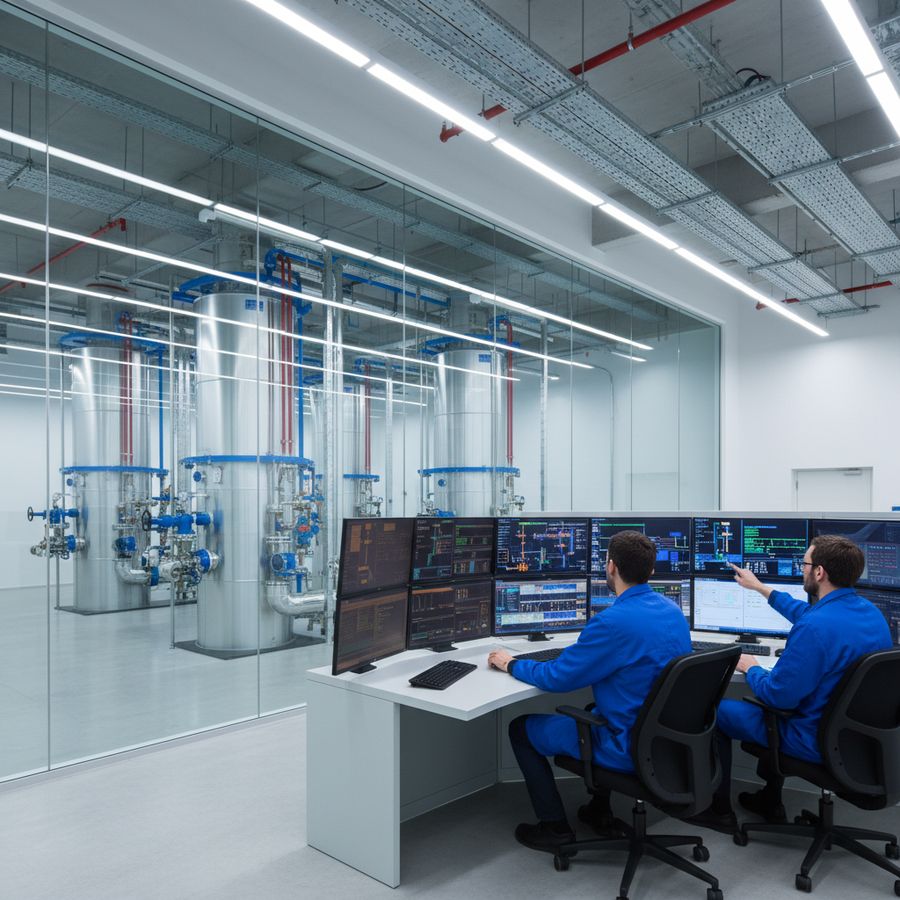
Industrial chillers are categorized based on their cooling methods, refrigerants, and configurations. Understanding these types is essential for effective chiller selection to meet your facility’s specific temperature control needs.
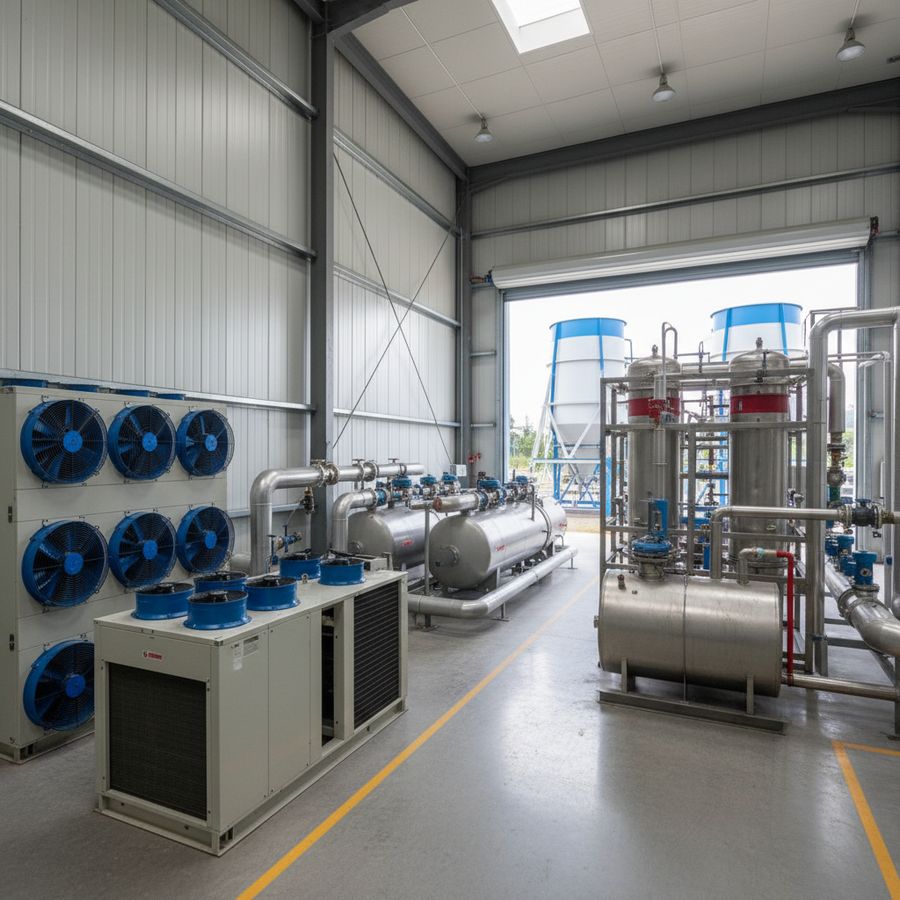
Air-cooled chillers use ambient air to dissipate heat and are popular for their ease of installation and maintenance. They are ideal for facilities where water availability is limited or where water conservation is a priority. Air-cooled chillers are often favored in smaller to medium-sized operations or where environmental regulations restrict water usage.
Water-cooled chillers rely on a cooling tower or other water source to remove heat. These chillers tend to be more energy-efficient than air-cooled models, especially in larger facilities with continuous cooling demands. While they require more complex installation and maintenance, water-cooled chillers excel in industrial environments where maximizing energy efficiency and cooling performance is critical.
Absorption chillers are an alternative that use heat energy (such as steam or hot water) to drive the cooling process instead of electricity. They are suitable for facilities with access to waste heat or steam and can offer significant energy savings in the right applications.
Additionally, chillers vary by refrigerant types, including traditional options like R134a or newer eco-friendly refrigerants designed to reduce global warming potential. Selecting the correct refrigerant aligns with both environmental standards and operational efficiency.
“Matching the chiller type to your facility’s resources and environmental constraints ensures sustainable and efficient industrial cooling.”
Each type has unique advantages and limitations. Consulting with experts and thoroughly assessing your facility’s cooling profile will lead to a chiller choice that balances performance, cost, and environmental impact.
Cooling Capacity Considerations
The cooling capacity of an industrial chiller is a fundamental factor in the chiller selection process. It determines the amount of heat the chiller can remove per unit time, usually expressed in tons of refrigeration (TR) or kilowatts (kW). Selecting a chiller with the appropriate capacity ensures your facility maintains consistent temperature control without under- or over-sizing the system.
Undersized chillers struggle to meet cooling demands, leading to operational inefficiencies, frequent breakdowns, and costly downtime. Conversely, oversized chillers waste energy and increase upfront costs without proportional benefits. A careful load analysis that considers peak and average cooling requirements, process heat generation, and ambient conditions is essential.
Key factors influencing cooling capacity needs include:
-
The type and scale of industrial processes requiring cooling
-
Heat load variability during different production cycles
-
Ambient temperature fluctuations and humidity levels
-
Facility layout and cooling distribution system design
-
Future expansion plans or changes in production capacity
Incorporating safety margins into capacity calculations can accommodate unexpected spikes or process changes. Additionally, modular chiller systems allow scalability and flexibility to adapt to evolving industrial cooling needs.
“Properly matched cooling capacity not only safeguards consistent temperature control but also optimizes operational costs and system durability.”
Engaging professional engineers or utilizing advanced simulation tools can refine capacity estimations, ensuring the selected industrial chiller delivers reliable, energy-efficient performance tailored to your facility’s unique requirements.
Energy Consumption Factors
Energy efficiency is a paramount consideration when choosing an industrial chiller, as energy consumption represents a significant portion of operating expenses. Optimizing chiller energy use contributes to sustainability goals and reduces the total cost of ownership.
Several elements influence the energy consumption of industrial chillers:
-
Chiller type: Water-cooled chillers typically consume less energy than air-cooled units, especially in larger installations.
-
Load matching: Operating chillers close to their design capacity is more efficient than running significantly oversized systems at partial loads.
-
Variable speed drives (VSDs): Incorporating VSDs on compressors, pumps, and fans enables dynamic adjustment to cooling demands, reducing wasteful energy use.
-
Heat recovery systems: Some chillers can reclaim waste heat for secondary processes, improving overall energy utilization.
-
Ambient conditions: Chillers operating in extreme environments may experience higher energy demands.
Maintenance practices also significantly affect energy efficiency. Clean heat exchangers, properly charged refrigerant levels, and well-maintained mechanical components ensure optimal performance.
“Implementing energy-efficient technologies and maintaining operational best practices can reduce industrial chiller energy consumption by up to 30%.”
When selecting a chiller, prioritize models with high energy efficiency ratings and features that support smart control and monitoring. This approach aids in achieving a balance between performance, cost savings, and environmental responsibility.
Installation Tips
Proper installation is crucial to maximize the performance and lifespan of your industrial chiller. Attention to detail during setup ensures effective temperature control and minimizes potential operational issues.
Key installation considerations include:
-
Site selection: Choose a location with adequate ventilation, easy access for maintenance, and protection from adverse weather conditions.
-
Foundation and leveling: Ensure a stable, level foundation to prevent vibrations and mechanical stresses.
-
Proper piping and connections: Use appropriate materials and insulation to avoid leaks and thermal losses.
-
Electrical requirements: Verify power supply capacity and install necessary safety devices and controls.
-
Clearance and airflow: Maintain sufficient space around the chiller for airflow and service access.
Coordinate installation with skilled technicians who understand the specific requirements of your chiller model and facility conditions. Testing and commissioning after installation are essential to verify system integrity and operational parameters.
“A well-executed installation lays the foundation for efficient industrial cooling, reducing future maintenance challenges and downtime.”
Following manufacturer guidelines and leveraging expert support during installation ensures your industrial chiller operates at peak efficiency from day one.
Maintenance Requirements
Regular industrial cooling maintenance is indispensable for sustaining reliable temperature control and extending the service life of your industrial chiller. Preventive maintenance minimizes unexpected breakdowns and helps maintain energy-efficient operation.
Essential maintenance tasks include:
-
Routine inspections: Check for leaks, unusual noises, and vibration levels.
-
Cleaning: Keep condenser coils, evaporator surfaces, and filters free of dirt and debris to optimize heat exchange.
-
Refrigerant management: Monitor refrigerant levels and pressure, repairing leaks promptly.
-
Lubrication: Maintain proper lubrication of moving parts to reduce wear.
-
Calibration: Verify and adjust sensors, thermostats, and control systems for accurate operation.
Scheduled maintenance plans should align with manufacturer recommendations and facility usage patterns. Advanced monitoring technologies can provide real-time data on chiller performance, enabling predictive maintenance and minimizing downtime.
“Consistent industrial cooling maintenance preserves system efficiency and prevents costly production interruptions.”
Investing in skilled maintenance personnel and fostering a proactive service culture within your facility ensures your industrial chiller remains a dependable asset for years to come.
Conclusion
Choosing the right industrial chiller is a multifaceted process that directly influences your facility’s operational efficiency, product quality, and energy costs. By thoroughly understanding the various types of industrial chillers, accurately assessing your cooling capacity needs, and considering energy consumption factors, you can select a solution tailored to your unique industrial requirements.
Proper installation practices and ongoing industrial cooling maintenance are equally important to ensure your chiller operates reliably and efficiently throughout its lifespan. By investing time and resources in these areas, you can achieve significant returns, including reduced downtime, lower energy bills, and improved process control.
“An informed approach to industrial chiller selection and upkeep empowers facilities to achieve sustainable, cost-effective temperature control.”
Partnering with experienced providers who offer customized cooling solutions and comprehensive support can simplify this process and maximize your investment. Ultimately, the right industrial chiller is a cornerstone of a resilient and productive industrial operation.
