


Overview
Industrial refrigeration plays a critical role in modern manufacturing, storage, and processing industries by maintaining precise temperature controls essential for various processes. Over the decades, the evolution of industrial refrigeration systems has increasingly emphasized environmental responsibility alongside operational efficiency. Today’s industrial refrigeration solutions are designed not only to meet stringent cooling demands but also to minimize environmental impact, making them vital components in sustainable industrial operations.
Modern industrial refrigeration systems address challenges such as reducing greenhouse gas emissions, managing energy consumption, and complying with global environmental standards. These systems are engineered to optimize cooling performance while integrating eco-friendly technologies that reduce harmful emissions and waste. The growing awareness of climate change and the need for sustainable industrial practices have driven innovations that significantly lower the carbon footprint of refrigeration processes.
Leading manufacturers, such as Frimec, have pioneered tailor-made refrigeration solutions that combine advanced technology with environmental stewardship. Their systems cater to diverse sectors including plastics, chemical industries, packaging, and enology, offering state-of-the-art cooling with a focus on sustainability. This approach not only helps industries comply with environmental regulations but also promotes energy conservation and operational cost reduction.
The integration of environmentally friendly refrigeration technologies marks a transformative shift toward sustainable industrial production, ensuring industries can grow while protecting the planet.
In summary, the overview of modern industrial refrigeration reveals a dynamic field driven by innovation, regulatory pressures, and a commitment to environmental care. Industrial refrigeration today is no longer just about cooling; it is about delivering high-performance solutions that align with global sustainability goals and energy efficiency imperatives.
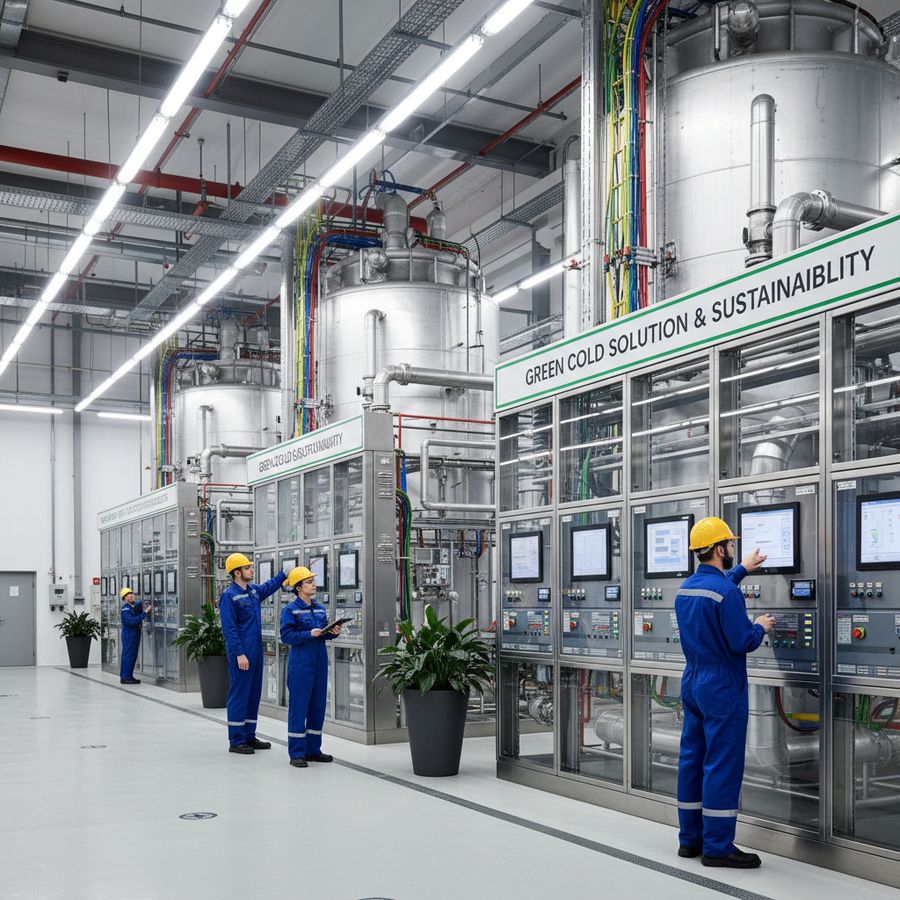
Eco-Friendly Refrigeration Technologies
The advancement of eco-friendly technologies in industrial refrigeration is pivotal in reducing environmental impact while maintaining the high performance required in industrial settings. These technologies focus on minimizing the use of harmful refrigerants, improving energy efficiency, and integrating renewable energy sources into refrigeration systems.
One of the most significant shifts in industrial refrigeration is the adoption of natural refrigerants such as ammonia (NH3), carbon dioxide (CO2), and hydrocarbons. These substances have substantially lower global warming potential (GWP) compared to traditional synthetic refrigerants. For instance, ammonia is highly efficient and environmentally benign when properly handled, making it a preferred choice in large-scale industrial cooling.
Another innovative approach is the use of free cooling systems, which exploit naturally cool ambient air or water sources to reduce the need for mechanical refrigeration. This technology significantly reduces energy consumption by limiting compressor operation during favorable environmental conditions.
Variable speed drives (VSD) on compressors and fans also contribute to eco-friendly refrigeration by adjusting power usage to real-time cooling demands, thereby avoiding unnecessary energy waste. Furthermore, advanced control systems equipped with sensors and automation optimize system performance, ensuring reliable temperature control with minimal energy input.
-
Natural refrigerants with low GWP and ozone depletion potential
-
Free cooling technologies leveraging ambient conditions
-
Variable speed drives for optimized energy usage
-
Advanced monitoring and control systems for efficiency
“Utilizing eco-friendly refrigeration technologies not only protects the environment but also delivers long-term operational savings and improved system reliability.”
Implementing these technologies requires careful planning and expertise, particularly to ensure safety and regulatory compliance. Companies specializing in industrial refrigeration, like Frimec, offer customized solutions that incorporate these eco-friendly innovations to meet the unique demands of each industrial application while advancing sustainability.
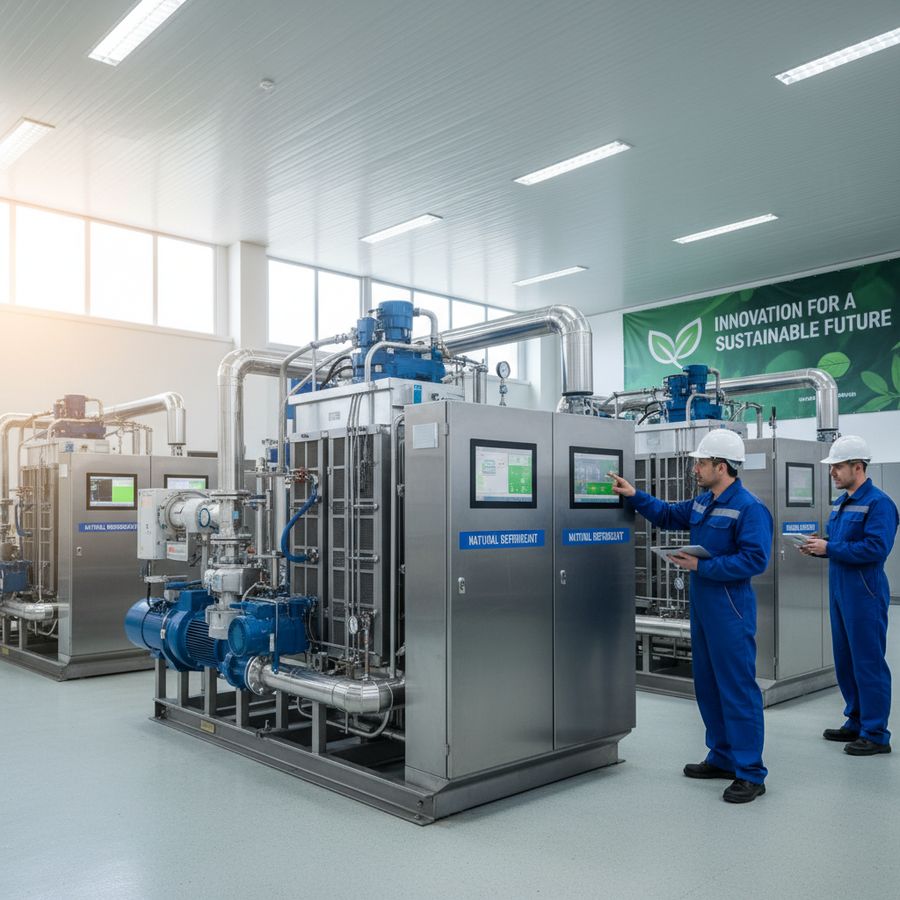
Reducing Carbon Footprint
Reducing the carbon footprint of industrial refrigeration systems is a critical strategy for industries committed to environmental responsibility and regulatory compliance. The carbon footprint encompasses the total greenhouse gas emissions generated directly and indirectly by refrigeration operations, including energy consumption and refrigerant leakage.
One of the primary methods to lower the carbon footprint is through the selection of refrigerants with minimal global warming potential. Transitioning from high-GWP synthetic refrigerants to natural alternatives such as CO2 or ammonia drastically reduces indirect emissions from refrigerant leaks. Additionally, designing systems to minimize refrigerant charge and employing leak detection technologies can substantially decrease emissions.
Energy efficiency improvements directly impact the carbon footprint by reducing the electricity needed to operate refrigeration units. Integrating energy-saving components, such as efficient compressors, heat recovery units, and optimized insulation, contributes to lowering overall emissions. Furthermore, sourcing electricity from renewable energy providers can further reduce the carbon footprint associated with industrial refrigeration.
Regular maintenance and system upgrades also play a vital role. Well-maintained equipment operates more efficiently and is less prone to leaks or breakdowns that increase emissions. Retrofitting older systems with modern components can yield significant carbon footprint reductions.
-
Switching to low-GWP refrigerants to minimize direct emissions
-
Optimizing energy use to reduce indirect carbon emissions
-
Implementing leak detection and minimizing refrigerant charge
-
Utilizing renewable energy sources for power needs
-
Routine maintenance and equipment modernization
“A proactive approach to carbon footprint reduction enhances environmental performance and aligns industrial refrigeration with global sustainability targets.”
By embracing these strategies, industries can demonstrate leadership in environmental stewardship, meet customer expectations for green operations, and prepare for increasingly stringent regulations on emissions and climate impact.
Energy Conservation Techniques
Energy conservation is a cornerstone of modern industrial refrigeration, directly influencing operational costs and environmental impact. Efficient energy management reduces electricity consumption, lowers greenhouse gas emissions, and enhances the overall sustainability of refrigeration systems.
One fundamental energy conservation technique is the design of refrigeration systems with optimal load matching. This involves sizing equipment precisely for the specific cooling requirements, avoiding overcapacity that leads to wasted energy. Additionally, the use of variable speed compressors and fans allows equipment to adjust power consumption dynamically based on actual demand.
Heat recovery systems capture and repurpose waste heat generated by refrigeration processes for other industrial needs, such as space heating or preheating water. This approach maximizes energy use and reduces the overall energy footprint of the facility.
Improved insulation of refrigerated spaces and piping minimizes thermal losses, ensuring that cooling resources are used efficiently. Advanced monitoring and control software enable real-time adjustments to system operation, preventing unnecessary energy expenditure during off-peak periods.
-
Right-sizing equipment to match cooling load requirements
-
Variable speed drives for adaptive energy use
-
Heat recovery integration to utilize waste heat
-
Enhanced insulation to reduce thermal losses
-
Smart monitoring systems for operational optimization
“Effective energy conservation techniques not only reduce operational costs but also contribute significantly to environmental sustainability in industrial refrigeration.”
Leading industrial refrigeration providers develop customized energy conservation strategies tailored to specific applications. By leveraging cutting-edge technology and best practices, these solutions ensure that industrial refrigeration systems operate at peak efficiency with minimal environmental impact.
Regulatory Compliance
Regulatory compliance is an essential aspect of industrial refrigeration, ensuring systems meet environmental, safety, and operational standards set by local, national, and international authorities. Compliance helps protect the environment, safeguard workers, and avoid costly fines or operational disruptions.
Key regulations affecting industrial refrigeration focus on refrigerant management, emissions control, energy efficiency, and workplace safety. For example, international protocols like the Kigali Amendment to the Montreal Protocol mandate phasedown of high-GWP refrigerants, encouraging the adoption of eco-friendly technologies. Similarly, regional regulations may require leak detection systems, regular maintenance, and documentation of refrigerant use.
Energy efficiency standards compel industries to implement conservation measures and use energy-efficient equipment. Certifications and audits are often required to demonstrate compliance. Industrial refrigeration providers play a vital role by designing systems that meet or exceed regulatory requirements, ensuring clients remain compliant throughout the lifecycle of the equipment.
Training and certification of personnel are also crucial to regulatory compliance, ensuring safe handling of refrigerants and proper system operation. Compliance programs typically include documentation, reporting, and continuous improvement processes aligned with evolving regulations.
-
Adherence to refrigerant phasedown and emissions regulations
-
Implementation of leak detection and maintenance protocols
-
Compliance with energy efficiency standards and audits
-
Personnel training and certification for safe practices
-
Ongoing documentation and regulatory reporting
“Achieving regulatory compliance is fundamental to sustainable industrial refrigeration, protecting both the environment and the business.”
By partnering with experienced industrial refrigeration specialists, companies can navigate complex regulatory landscapes effectively, ensuring their systems remain compliant and environmentally responsible.
Case Studies
Real-world case studies illustrate the tangible environmental benefits of modern industrial refrigeration technologies and strategies. These examples demonstrate how industries have successfully integrated eco-friendly solutions to reduce their carbon footprint, conserve energy, and comply with regulations.
One notable case involved a large chemical manufacturing plant that retrofitted its refrigeration system with natural refrigerants and implemented a free cooling system. This upgrade resulted in a 30% reduction in energy consumption and a significant decrease in greenhouse gas emissions. The integration of variable speed drives and advanced control systems further optimized performance, yielding substantial operational savings.
Another example comes from the packaging industry, where a customized cooling solution was designed to meet stringent temperature requirements while prioritizing environmental impact. The system utilized heat recovery technology to supply heating needs, reducing overall energy demand by 25%. Continuous monitoring enabled predictive maintenance, preventing leaks and ensuring regulatory compliance.
These case studies highlight the value of partnering with expert industrial refrigeration providers like Frimec, who deliver tailor-made solutions that address specific industrial needs while advancing sustainability goals.
“Successful implementation of eco-friendly refrigeration solutions is achievable through innovation, expert design, and commitment to environmental responsibility.”
By learning from these practical examples, other industries can adopt proven strategies to enhance their environmental performance and operational efficiency.
Conclusion
In conclusion, the environmental benefits of modern industrial refrigeration are significant and multifaceted. Advances in eco-friendly technologies, energy conservation techniques, and regulatory compliance have transformed industrial refrigeration into a key driver of sustainable industrial development.
Reducing the carbon footprint by adopting natural refrigerants, implementing efficient system designs, and integrating renewable energy not only benefits the planet but also offers economic advantages. Energy conservation measures lower operational costs and facilitate the shift to greener industrial practices. Strict adherence to regulatory requirements guarantees safe, environmentally responsible, and efficient refrigeration operations. For more insights on sustainable practices, check out this resource.
Companies like Frimec, with over 55 years of expertise in tailor-made industrial refrigeration solutions, exemplify how innovation and environmental stewardship can coexist to meet modern industry demands. Their commitment to quality, reliability, and sustainability offers industries the tools needed to thrive in an increasingly eco-conscious marketplace.
“Modern industrial refrigeration is not just about cooling—it is about cooling responsibly, efficiently, and sustainably to safeguard the future.”
Industries that embrace these technologies and practices position themselves as leaders in environmental responsibility, operational excellence, and long-term viability in a world increasingly focused on sustainability.
