


Overview
Industrial refrigeration technology stands at the forefront of modern manufacturing and production processes, playing a critical role in ensuring quality control, productivity, and environmental sustainability. As we approach 2025, innovations in this sector promise to revolutionize how industries manage cooling, temperature regulation, and energy consumption. Industrial cooling systems have become indispensable in diverse sectors — from chemical processing and plastics manufacturing to food preservation and pharmaceuticals — demanding solutions that are not only efficient but also environmentally responsible.
The evolution of industrial refrigeration technology is driven by increasing regulatory pressure on emissions, rising energy costs, and growing demand for sustainable manufacturing practices. Companies like Frimec, with over 55 years of experience, exemplify the blend of tradition and innovation, delivering tailor-made solutions that address these challenges across Europe and worldwide.
In this article, we explore the latest trends in industrial refrigeration for 2025, highlighting advancements in cooling technology, energy efficiency improvements, and the environmental impact of new systems. We also examine the benefits these technologies bring to industry applications and the broader implications for sustainable industrial production.
“Industrial refrigeration is no longer just about cooling; it’s about integrating smart, energy-efficient, and eco-friendly solutions that enhance industrial productivity while safeguarding our planet.”
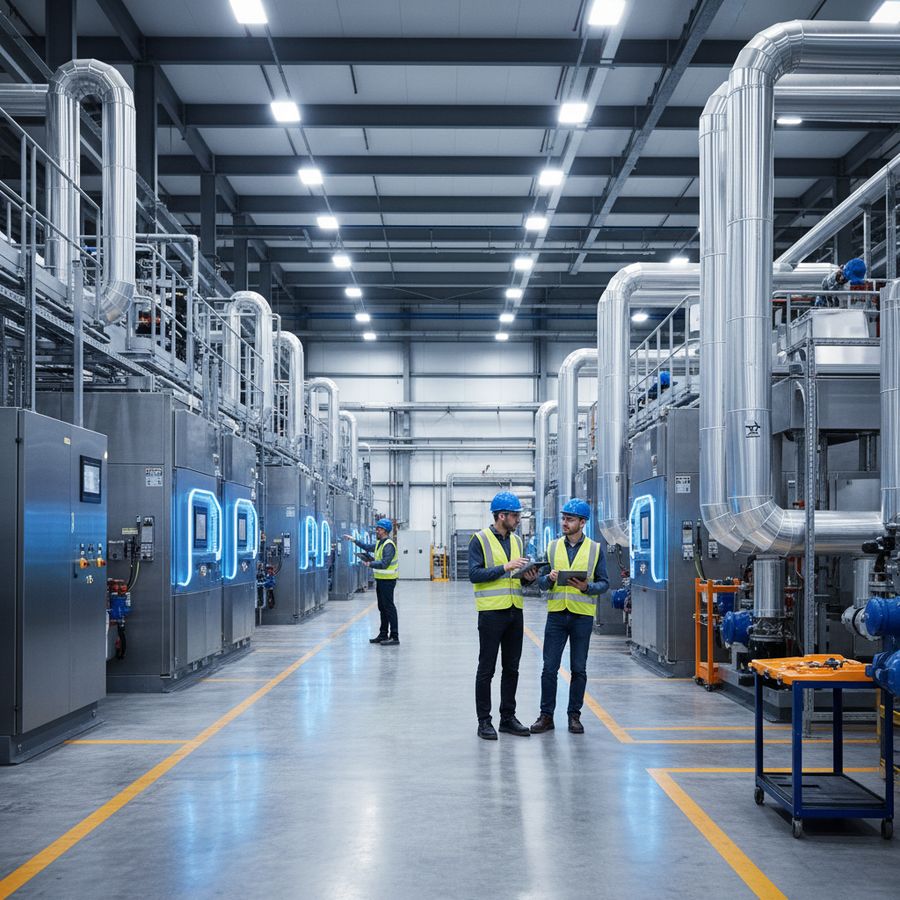
Latest trends in industrial refrigeration
The industrial refrigeration landscape in 2025 is defined by several key trends centered on innovation, digitalization, and sustainability. One of the most prominent trends is the integration of smart cooling technology that leverages IoT (Internet of Things) and AI (Artificial Intelligence) to optimize system performance in real time. These smart systems allow for predictive maintenance, remote monitoring, and adaptive control, reducing downtime and operational costs.
Another significant trend is the adoption of natural refrigerants such as ammonia, CO2, and hydrocarbons, which present lower global warming potential (GWP) compared to traditional synthetic refrigerants. This shift is driven by tightening environmental regulations and the industry’s commitment to reducing its carbon footprint.
Free cooling systems are also gaining traction, especially in regions with cooler climates. These systems utilize ambient air to assist or replace mechanical refrigeration during favorable conditions, thereby greatly reducing energy consumption and operational costs.
Moreover, modular and scalable refrigeration units are becoming popular, allowing industries to customize and expand their cooling capacity as needed without excessive capital expenditure. This flexibility enhances operational efficiency and responsiveness to changing production demands.
Finally, enhanced heat recovery technologies are being integrated into industrial refrigeration setups to utilize waste heat for secondary applications such as space heating or process heating, contributing further to energy savings.
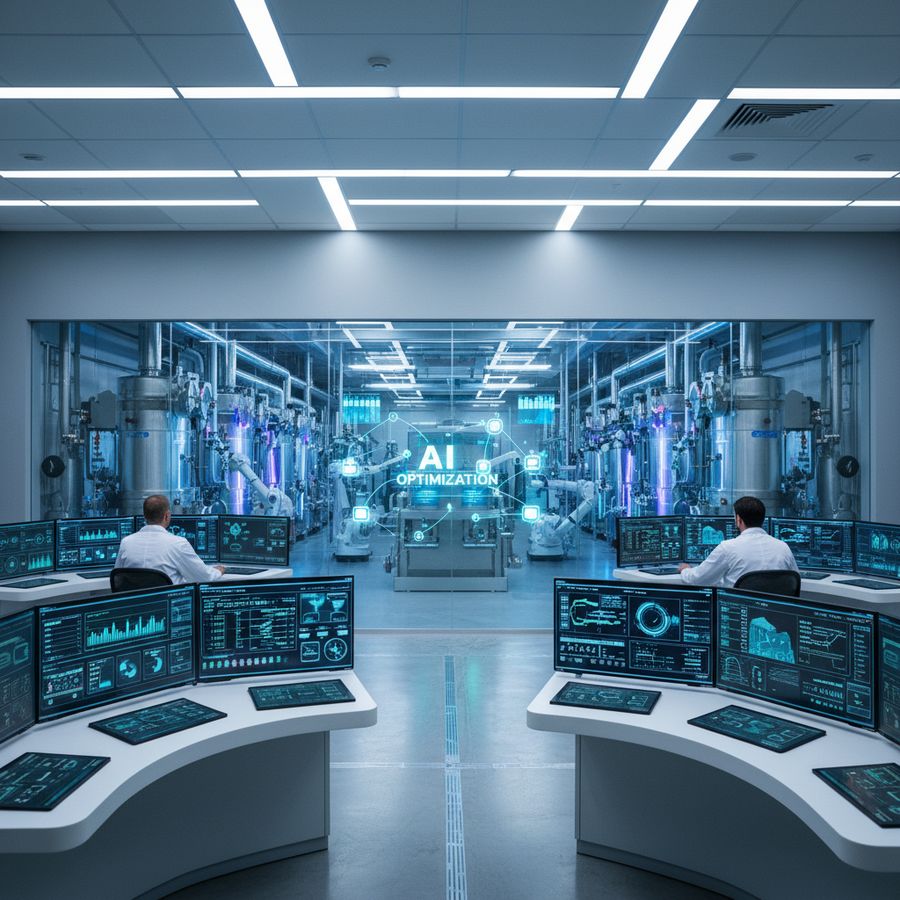
Benefits of new cooling technologies
The introduction of advanced cooling technologies in industrial refrigeration offers numerous benefits that extend beyond traditional temperature control. One of the primary advantages is enhanced energy efficiency, which directly translates into reduced operational costs and improved sustainability. Modern cooling systems are designed to minimize energy waste through better compressor designs, variable speed drives, and intelligent control algorithms.
New cooling technologies also offer greater reliability and precision. With improved sensors and control systems, industrial cooling units maintain tighter temperature tolerances, which is essential for sensitive manufacturing processes such as pharmaceuticals and food processing.
Another key benefit is the reduction of environmental impact. By utilizing eco-friendly refrigerants and optimizing energy use, these systems contribute to lower greenhouse gas emissions and compliance with global environmental standards.
Operational flexibility is enhanced with modular designs and smart control features, allowing businesses to adapt quickly to fluctuating production requirements without compromising system performance.
Finally, integrating these innovative technologies improves maintenance and lifecycle management. Predictive analytics and remote diagnostics reduce unplanned downtime and extend equipment lifespan, ensuring continuous industrial productivity.
“The benefits of new cooling technologies align perfectly with the industry’s goals of cost-effectiveness, environmental stewardship, and operational excellence.”
Energy efficiency improvements
Energy efficiency remains a paramount concern in the development of industrial refrigeration systems for 2025. With industrial cooling systems often accounting for a significant portion of a facility’s total energy consumption, innovations aimed at reducing this load are highly impactful.
One major improvement is the widespread use of variable frequency drives (VFDs) on compressors and fans, which allow equipment to operate at optimal speeds rather than fixed rates. This adaptability reduces energy consumption during partial load conditions, a common scenario in many industrial processes.
Advanced heat exchanger designs and improved insulation materials also contribute to minimizing thermal losses and optimizing heat transfer, enhancing overall system efficiency. Additionally, the implementation of free cooling technologies taps into ambient environmental conditions to reduce reliance on mechanical refrigeration whenever possible.
Integration with building management systems (BMS) and energy management platforms enables continuous monitoring and fine-tuning of refrigeration performance, ensuring energy use stays within optimal parameters. Some systems even incorporate AI-driven algorithms that predict cooling demand and adjust operations proactively.
Collectively, these energy efficiency improvements reduce operational costs, lower greenhouse gas emissions, and help industries meet increasingly stringent energy regulations.
Environmental impact considerations
Addressing the environmental impact of industrial refrigeration systems is critical in 2025, as industries face mounting pressure to comply with stricter regulations and corporate sustainability goals. The choice of refrigerants plays a significant role, with a clear industry shift towards low-GWP and zero-ODP (Ozone Depletion Potential) substances.
Natural refrigerants such as ammonia and CO2 are preferred for their minimal environmental footprint. Ammonia, despite requiring careful handling due to toxicity, offers excellent thermodynamic properties and zero GWP. CO2 systems, meanwhile, are gaining popularity for their safety and broad applicability in various industrial scales.
In addition to refrigerant selection, the design of refrigeration systems incorporates energy-saving technologies that reduce indirect emissions caused by electricity consumption. This dual approach aligns with global climate goals and enhances the sustainability profile of industrial operations.
Waste heat recovery further mitigates environmental impact by repurposing heat generated during refrigeration cycles for heating or other processes, reducing the need for fossil fuel-based energy.
“Sustainability in industrial refrigeration is no longer optional; it is a strategic imperative that drives innovation and operational excellence.”
Industry applications
Industrial refrigeration technology is indispensable across a wide range of sectors, each with unique cooling requirements. In the chemical industry, precise temperature control is critical to ensure reaction stability and product quality. Advanced refrigeration systems help maintain these conditions efficiently.
In the plastics and manufacturing sectors, controlling the temperature of molds and machinery improves throughput and reduces defects. Industrial cooling solutions tailored to these needs enhance productivity and reduce downtime.
The food and beverage industry relies heavily on refrigeration for preservation, storage, and processing. Innovations like free cooling and natural refrigerants contribute to maintaining food safety standards while minimizing energy costs.
Other applications include pharmaceuticals, where strict environmental conditions are necessary for product integrity, and metalworking and galvanic processes, where temperature regulation influences material properties.
Industrial refrigeration systems from companies like Frimec are designed to be highly customizable, ensuring they meet the specific demands of each sector while delivering superior performance, reliability, and energy efficiency.
Conclusion
The landscape of industrial refrigeration technology in 2025 is characterized by swift innovation, driven by the demand for greater energy efficiency, environmental responsibility, and operational flexibility. Advanced cooling systems now incorporate smart controls, eco-friendly refrigerants, and energy-saving features that collectively set new benchmarks for industrial cooling solutions.
These developments not only provide significant advantages such as lower operational costs and improved reliability but also help industries comply with strict environmental regulations and sustainability goals. As industrial sectors continue to progress, the need for customized, innovative refrigeration solutions becomes increasingly essential.
Partnering with experienced providers who prioritize quality, innovation, and customer care—like Frimec—ensures that industrial refrigeration systems remain at the forefront, enabling businesses to excel in a competitive and environmentally conscious marketplace.
