


Overview
Industrial refrigeration plays a pivotal role in the chemical industry, where precise temperature control and efficient cooling solutions are critical to ensuring product quality, safety, and process reliability. The chemical sector involves complex processes that often generate significant heat or require sub-zero temperatures to maintain chemical stability and facilitate reactions. As a result, tailored refrigeration systems become indispensable components of modern chemical manufacturing facilities.
With over 55 years of expertise in industrial refrigeration technology, companies like Frimec have demonstrated how custom refrigeration solutions can enhance operational efficiency and environmental sustainability. Their experience underscores the value of environmentally friendly and energy-efficient systems designed to meet the stringent demands of chemical processing plants across Europe and worldwide.
Industrial refrigeration in the chemical sector is not only about cooling but also about integrating advanced temperature control mechanisms to optimize production and ensure compliance with rigorous industry standards. These cooling systems are engineered to operate reliably under harsh conditions, often handling corrosive substances or volatile compounds. Therefore, selecting the right refrigeration technology is a strategic decision that impacts safety, productivity, and cost-effectiveness.
“Tailor-made industrial refrigeration solutions have become the backbone of chemical industry operations, enabling manufacturers to meet their cooling needs while adhering to evolving safety and environmental standards.”
In summary, the industrial refrigeration systems deployed in chemical industry applications must be robust, flexible, and designed with a deep understanding of the unique cooling challenges faced by this sector. This overview sets the stage for exploring the specific cooling requirements, safety considerations, and custom solutions that define refrigeration technology in chemical processing.
Cooling Needs in Chemical Processing
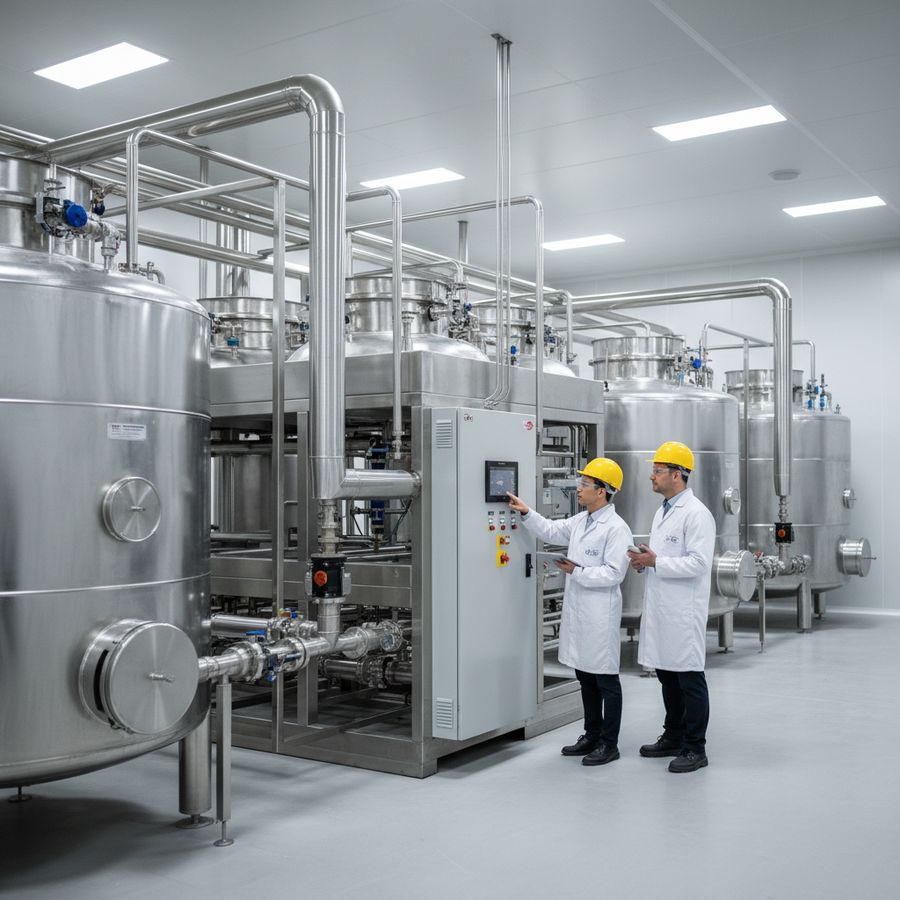
The cooling needs in chemical processing are diverse and complex, driven by the nature of chemical reactions and the physical properties of the substances involved. Many chemical processes are exothermic, releasing large amounts of heat that must be efficiently managed to maintain optimal reaction conditions and prevent overheating or degradation of products.
Industrial refrigeration systems provide the essential cooling solutions to:
-
Maintain stable process temperatures to ensure reaction consistency and product quality.
-
Control the temperature of storage tanks containing volatile or heat-sensitive chemicals.
-
Cool down reactors, condensers, and distillation columns to facilitate phase changes and separation processes.
-
Support cryogenic processes where extremely low temperatures are necessary for material preservation or handling.
Precise temperature regulation is critical because even minor deviations can lead to reduced yields, unwanted side reactions, or safety hazards. Refrigeration units must therefore be capable of delivering both rapid cooling and maintaining steady-state conditions over prolonged periods. This calls for technology that can handle high cooling capacities and operate continuously with minimal downtime.
Another challenge in chemical cooling is the handling of corrosive or hazardous fluids. Refrigeration equipment used in these environments must be constructed with materials resistant to chemical attack and designed to prevent leaks or contamination. Additionally, integration with automated temperature monitoring and control systems ensures that cooling performance is consistently optimized.
“Effective cooling solutions in chemical processing improve not only production efficiency but also the safety and longevity of critical equipment.”
In conclusion, the cooling demands in chemical industry applications require advanced, reliable, and customized refrigeration systems that align with the specific thermal and safety requirements of each process.
Safety and Compliance Standards
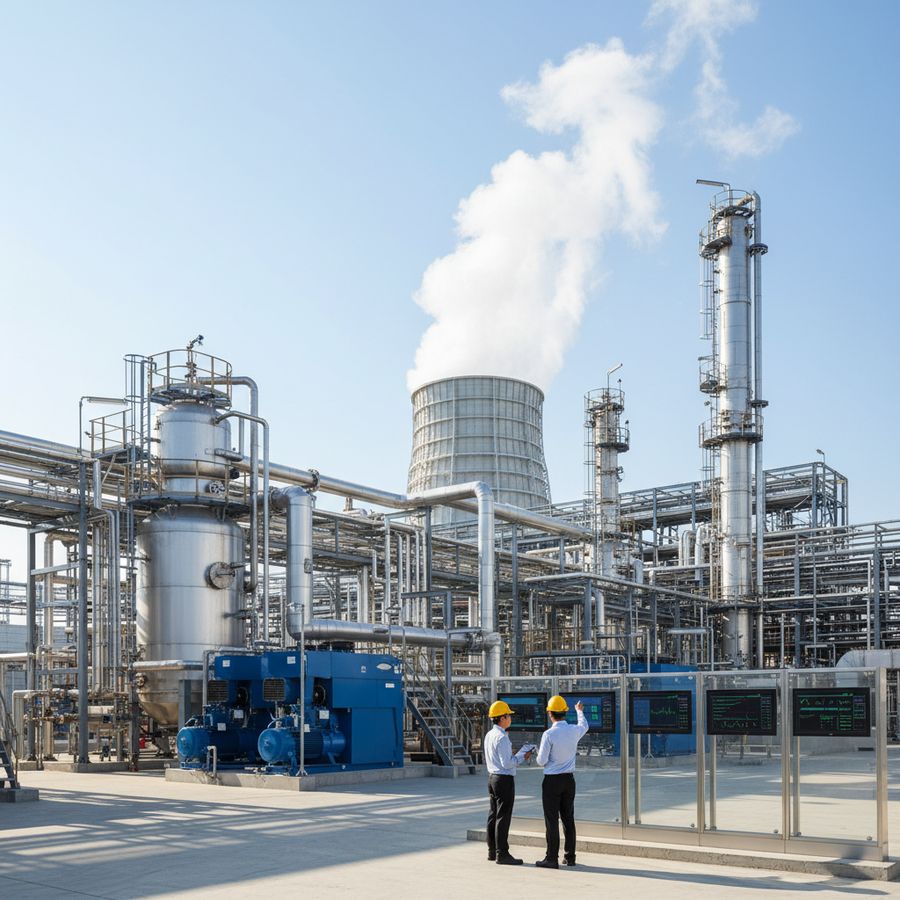
In the chemical industry, adhering to safety and compliance standards is paramount due to the inherent risks associated with handling hazardous, flammable, or toxic substances. Industrial refrigeration systems must meet rigorous regulations to ensure they do not become sources of danger themselves.
Compliance involves a multifaceted approach:
-
Design and Construction Standards: Refrigeration units must be engineered to comply with international codes such as PED (Pressure Equipment Directive) and other relevant certifications that guarantee mechanical integrity and safe pressure containment.
-
Material Selection: Components must resist corrosion and chemical exposure, preventing leaks that could lead to environmental contamination or explosive atmospheres.
-
Operational Safety: Systems incorporate fail-safes, alarms, and emergency shutoffs to mitigate risks during malfunctions or unexpected conditions.
-
Environmental Regulations: Compliance with environmental policies requires minimizing refrigerant leakage, using eco-friendly refrigerants, and optimizing energy consumption to reduce carbon footprint.
Regular maintenance and certification are also critical aspects. Scheduled inspections ensure refrigeration equipment continues to meet safety benchmarks and operates efficiently, preventing costly downtime or accidents.
“Strict adherence to safety and compliance standards in industrial refrigeration protects personnel, preserves the environment, and ensures uninterrupted chemical production.”
Industry leaders like Frimec demonstrate commitment to these standards by providing certified refrigeration systems that undergo rigorous testing and quality assurance. Their holistic approach includes technical support and training to help chemical plants maintain compliance throughout the lifecycle of their cooling equipment.
Custom Refrigeration Solutions
The complexity and diversity of chemical industry processes demand custom refrigeration solutions tailored to specific operational requirements. Off-the-shelf systems often cannot address the unique thermal loads, spatial constraints, or safety needs encountered in chemical facilities.
Custom refrigeration systems are designed with careful consideration of:
-
Cooling capacity and temperature range: Matching the exact process conditions to optimize energy consumption and performance.
-
Integration with existing process infrastructure: Ensuring seamless compatibility with reactors, storage tanks, and control systems.
-
Material and component selection: Using corrosion-resistant alloys and specialized seals to handle aggressive chemical environments.
-
Control and automation: Advanced monitoring and control features for precise temperature management and remote diagnostics.
-
Energy efficiency: Incorporating technologies such as free cooling and heat recovery to reduce operational costs.
The benefits of custom refrigeration include enhanced process stability, reduced energy consumption, and improved safety margins. Tailoring each system also allows for scalability and flexibility, accommodating future process modifications or expansions without significant reinvestment.
“Custom refrigeration solutions empower chemical manufacturers to optimize their process control, enhance safety, and achieve sustainable energy use.”
Frimec’s extensive portfolio of custom industrial refrigeration systems highlights their ability to deliver solutions from small-scale chillers to large, complex temperature control plants, all engineered to meet the demanding needs of the chemical industry.
Efficiency Challenges
Industrial refrigeration systems in the chemical industry face numerous efficiency challenges that affect operational costs and environmental impact. These challenges arise from the need to maintain extremely precise temperatures while operating continuously under demanding conditions.
Key efficiency challenges include:
-
High energy consumption: Cooling large volumes or extremely low temperatures requires significant power, often making refrigeration one of the largest energy consumers in chemical plants.
-
Thermal losses and system inefficiencies: Heat infiltration, improper insulation, and outdated components can reduce system performance and increase energy waste.
-
Variable process loads: Fluctuating cooling demands require flexible systems that can adjust output without sacrificing efficiency.
-
Maintenance-related downtime: Inefficient or poorly maintained equipment can lead to frequent breakdowns, impacting overall plant productivity and energy use.
Overcoming these challenges involves adopting innovative technologies such as:
-
Variable speed compressors and pumps to match load variations.
-
Free cooling techniques to utilize ambient temperatures when possible.
-
Advanced control algorithms for optimal system operation.
-
Use of environmentally friendly refrigerants with low global warming potential.
Energy-efficient industrial refrigeration not only reduces operational expenses but also aligns with global sustainability goals, making it a strategic priority for chemical manufacturers aiming to improve their environmental footprint.
“Addressing efficiency challenges in industrial refrigeration is critical for achieving cost savings and sustainable chemical production.”
Companies like Frimec invest in research and development to continuously improve the energy performance of their refrigeration systems, offering clients solutions that balance reliability, performance, and environmental responsibility.
Case Examples
Real-world case examples illustrate the impact and versatility of industrial refrigeration in the chemical industry. These examples showcase how tailored cooling solutions address specific process requirements while enhancing safety and efficiency.
Case 1: Cooling for Exothermic Reaction Control
A chemical manufacturer specializing in polymer production integrated a custom refrigeration system from Frimec to manage the intense heat generated during polymerization. The solution included high-capacity chillers with corrosion-resistant components and precision temperature control, resulting in improved product consistency and reduced energy consumption.
Case 2: Cryogenic Storage Temperature Control
Another client in the specialty chemicals sector required reliable refrigeration for cryogenic storage tanks holding sensitive compounds. Frimec designed a closed-loop cooling system with advanced automation, ensuring stable sub-zero temperatures and minimizing the risk of thermal degradation.
Case 3: Environmental Compliance and Energy Efficiency Upgrade
A large-scale chemical plant sought to upgrade an aging refrigeration system to meet new environmental regulations and improve efficiency. Frimec provided a retrofit solution incorporating free cooling and eco-friendly refrigerants, reducing the plant’s carbon footprint and operational costs.
“Tailored refrigeration solutions in chemical industry case studies demonstrate tangible benefits in safety, efficiency, and environmental compliance.”
These examples highlight how industrial refrigeration technologies, when expertly applied, become critical enablers of innovation and sustainability in chemical manufacturing processes.
Conclusion
In conclusion, the role of industrial refrigeration in chemical industry applications is vital to the success and safety of modern chemical manufacturing. From managing complex cooling needs to ensuring compliance with stringent safety standards, refrigeration systems are essential tools for process optimization.
The adoption of custom refrigeration solutions tailored to specific process requirements allows chemical plants to achieve precise temperature control, enhance operational efficiency, and minimize environmental impact. Tackling efficiency challenges through innovative technologies is crucial for balancing cost-effectiveness with sustainability.
With decades of expertise and a commitment to innovation, companies like Frimec continue to lead in delivering reliable, energy-efficient, and safe industrial refrigeration systems that meet the evolving demands of the chemical industry worldwide. For more information on how we can help, visit Frimec.
“Industrial refrigeration is not merely a support function but a strategic asset that drives quality, safety, and sustainability in chemical processing.”
