


Overview
Industrial temperature control is a critical factor in ensuring product quality, process efficiency, and equipment longevity across numerous industries. As manufacturing and processing demands grow more complex, the need for innovative, energy-efficient cooling solutions becomes paramount. Among these innovations, free cooling stands out as an eco-friendly and cost-effective strategy to optimize temperature control in industrial refrigeration systems.
Free cooling leverages naturally cool ambient air or water sources to reduce or eliminate the reliance on mechanical refrigeration systems during favorable conditions. By incorporating free cooling solutions, industrial facilities can significantly reduce energy consumption, minimize operational costs, and lower their environmental footprint.
With over 55 years of experience in industrial refrigeration and temperature control, companies like Frimec have been at the forefront of developing tailor-made, environmentally friendly cooling technologies. Their expertise demonstrates how free cooling solutions integrate seamlessly into modern industrial environments, enhancing overall system performance without compromising reliability or product standards.
“Free cooling solutions are transforming industrial refrigeration by combining sustainability with operational efficiency, helping industries reduce costs and environmental impact simultaneously.”
In this article, we will explore what free cooling is, how it works, its advantages in industrial settings, integration with existing refrigeration units, cost benefits, sustainability impact, and the sectors that are already benefiting from this technology.
What is Free Cooling and How It Works
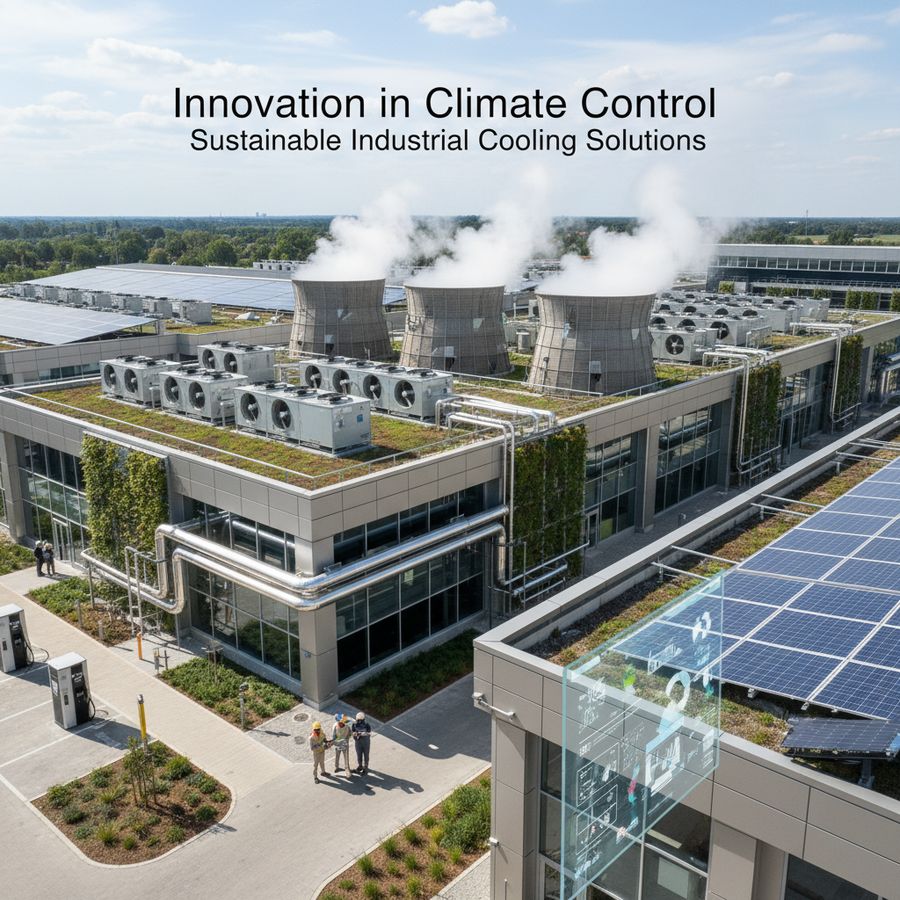
Free cooling refers to the method of using naturally cool external air or water sources to assist or replace mechanical refrigeration in cooling processes. Instead of relying solely on energy-intensive compressors and refrigerants, free cooling systems harness ambient temperatures when they are sufficiently low to meet cooling demands.
The core principle involves circulating cold outside air or cold water through heat exchangers to absorb heat from the industrial process or space. When outdoor temperatures fall below the desired internal temperature, the system switches to free cooling mode, reducing or bypassing the compressor operation.
There are two primary types of free cooling:
-
Air-side free cooling: This uses cool ambient air directly or indirectly via air-to-water heat exchangers to dissipate heat.
-
Water-side free cooling: This utilizes naturally cold water sources or cooling towers to absorb heat through water loops.
Modern industrial refrigeration units often incorporate advanced controls to automatically switch between free cooling and mechanical refrigeration, ensuring optimal temperature control year-round. This hybrid approach maximizes energy savings while maintaining precise temperature regulation required in sensitive industrial processes.
“By intelligently leveraging environmental conditions, free cooling systems reduce mechanical load, enhancing system longevity and sustainability.”
Advantages of Free Cooling in Industry
Implementing free cooling in industrial temperature control systems offers numerous benefits that align with both operational efficiency and environmental responsibility. Here are the key advantages:
-
Energy Efficiency: By using naturally cool air or water, free cooling drastically reduces the need for compressors, lowering electricity consumption and peak energy demand.
-
Cost Savings: Reduced energy use translates directly into lower utility bills. Maintenance costs also decline due to less wear on mechanical refrigeration components.
-
Environmental Sustainability: Free cooling minimizes greenhouse gas emissions by decreasing reliance on refrigerants and fossil-fuel-generated electricity, supporting corporate sustainability goals.
-
Extended Equipment Lifespan: Operating compressors less frequently reduces mechanical stress, leading to longer service life and fewer breakdowns.
-
Improved System Reliability: Hybrid systems with free cooling provide redundancy, allowing continuous temperature control even in case of partial system failures.
Industries benefit from enhanced productivity and product quality due to stable temperature control combined with the peace of mind that their cooling solutions contribute positively to environmental stewardship.
“The integration of free cooling technology is a strategic investment that delivers both immediate cost benefits and long-term sustainability advantages.”
Integration with Existing Refrigeration Units
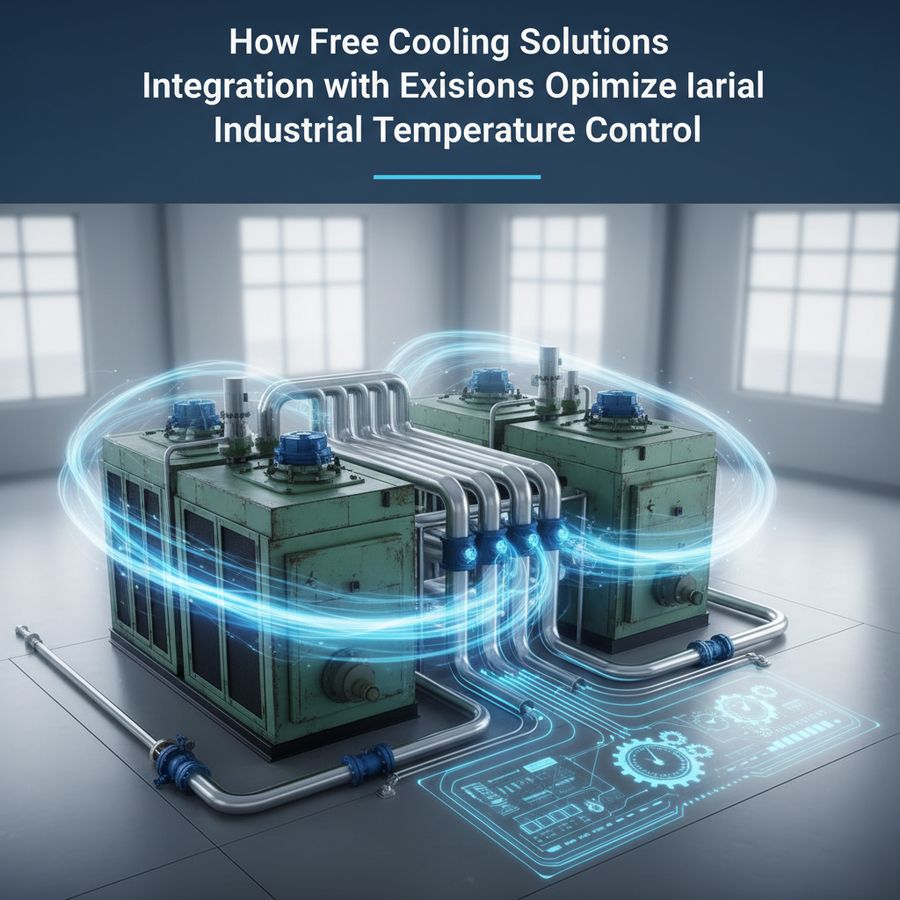
One of the strengths of free cooling solutions lies in their ability to integrate seamlessly with existing industrial refrigeration systems. Rather than replacing traditional chillers, free cooling acts as a complementary technology that enhances overall system efficiency.
Integration typically involves adding heat exchangers and control systems that intelligently switch between free cooling and mechanical refrigeration. The system continuously monitors outdoor conditions and internal cooling requirements to activate free cooling whenever conditions are favorable.
This hybrid approach offers several operational advantages:
-
Flexibility: The system can automatically alternate between free cooling and compressor-based cooling, ensuring consistent temperature control regardless of weather conditions.
-
Minimal Downtime: Integration can often be achieved with minimal disruption to existing operations, making retrofitting practical for most industrial facilities.
-
Scalability: Free cooling modules can be sized and customized to fit specific facility needs, whether for small units or large industrial plants.
Leading industrial refrigeration providers, such as Frimec, offer tailor-made solutions that include free cooling integration, ensuring that the system design aligns with the unique cooling demands and operational constraints of each industry.
“Effective integration of free cooling with existing refrigeration units maximizes energy savings without compromising the reliability and precision essential for industrial temperature control.”
Cost Benefits and Sustainability
The financial and environmental advantages of free cooling are tightly interconnected, making it an increasingly attractive solution for industrial operators aiming to optimize their operations responsibly.
From a cost perspective, free cooling reduces electricity consumption by significantly lowering compressor run times. This leads to measurable decreases in energy bills and operational expenses. Additionally, reduced mechanical stress on refrigeration equipment lowers maintenance and replacement costs over time.
On the sustainability front, free cooling helps industries meet environmental regulations and corporate social responsibility targets by:
-
Reducing carbon emissions through lower energy use.
-
Minimizing the use of refrigerants, which can have high global warming potential.
-
Supporting green certifications and eco-labeling initiatives.
Organizations adopting free cooling technologies demonstrate leadership in environmental stewardship, which can enhance brand reputation and stakeholder confidence. Sustainable cooling solutions also prepare companies for future regulatory changes and energy price fluctuations.
“Embracing free cooling is not only an economic decision but a strategic move towards sustainable industrial practices that benefit both business and planet.”
Industry Sectors Using Free Cooling
Free cooling solutions have found widespread adoption across various industrial sectors, each benefiting from optimized temperature control combined with energy efficiency and sustainability.
Key industries leveraging free cooling include:
-
Plastic Materials: Precise temperature control is vital for molding and extrusion processes, where free cooling reduces thermal stress and energy costs.
-
Chemical Industry: Maintaining stable temperatures during chemical reactions and storage enhances safety and product quality.
-
Packaging: Cooling systems are critical for packaging machinery and product preservation, where free cooling lowers operational expenses.
-
Enological (Winemaking): Temperature regulation during fermentation and storage impacts flavor and quality, with free cooling providing eco-friendly solutions.
-
Print Works and Machine Tools: Heat dissipation ensures equipment reliability, where free cooling improves process consistency.
-
Diecasting and Galvanic Processes: Temperature control directly affects metal quality and surface finishes, benefiting from efficient cooling methods.
These sectors, among others, have embraced free cooling as part of their comprehensive industrial refrigeration systems, often working with expert providers offering customized solutions tailored to their unique thermal management needs.
“Across diverse industries, free cooling has proven its versatility and effectiveness, enabling sustainable temperature control without compromising industrial productivity.”
Conclusion
In conclusion, free cooling represents a powerful, sustainable, and cost-effective advancement in industrial temperature control and refrigeration technology. By harnessing naturally cool ambient air or water, industries can significantly reduce energy consumption, operational costs, and environmental impact.
The integration of free cooling with traditional refrigeration units offers a flexible hybrid approach that ensures precise temperature regulation across varying conditions. This synergy supports enhanced equipment longevity, system reliability, and compliance with increasing environmental regulations.
Industries ranging from plastics to chemical processing and packaging have already realized substantial benefits from adopting free cooling solutions, underscoring its broad applicability and value.
For industrial operators looking to optimize their cooling systems while advancing sustainability goals, free cooling solutions offered by experienced providers like Frimec present a compelling path forward towards energy-efficient and environmentally responsible temperature control.
“Free cooling is not just a technological innovation; it is an essential strategy for sustainable industrial growth and efficient temperature management in the modern era.”
