


Overview
Pressurized water regulators play a pivotal role in modern industrial settings, ensuring precise temperature control essential for operational efficiency and product quality. These regulators are specially designed to maintain water at a set pressure and temperature, providing stable conditions that are critical across various industrial processes.
Industries increasingly rely on these devices to manage water temperature under pressure, which helps avoid fluctuations that can disrupt production or damage equipment. By stabilizing the temperature, pressurized water regulators reduce the risk of overheating or undercooling, which can lead to costly downtime or compromised outputs.
With their robust construction and advanced control mechanisms, these regulators are engineered to meet the demanding requirements of industrial environments. Their integration enhances not only process reliability but also safety, as maintaining the correct water temperature and pressure reduces hazards associated with thermal stress or pressure surges.
In summary, pressurized water regulators are indispensable tools that support industrial operations by delivering consistent and efficient temperature management under pressure, promoting smoother workflows and higher productivity.
Function and Importance
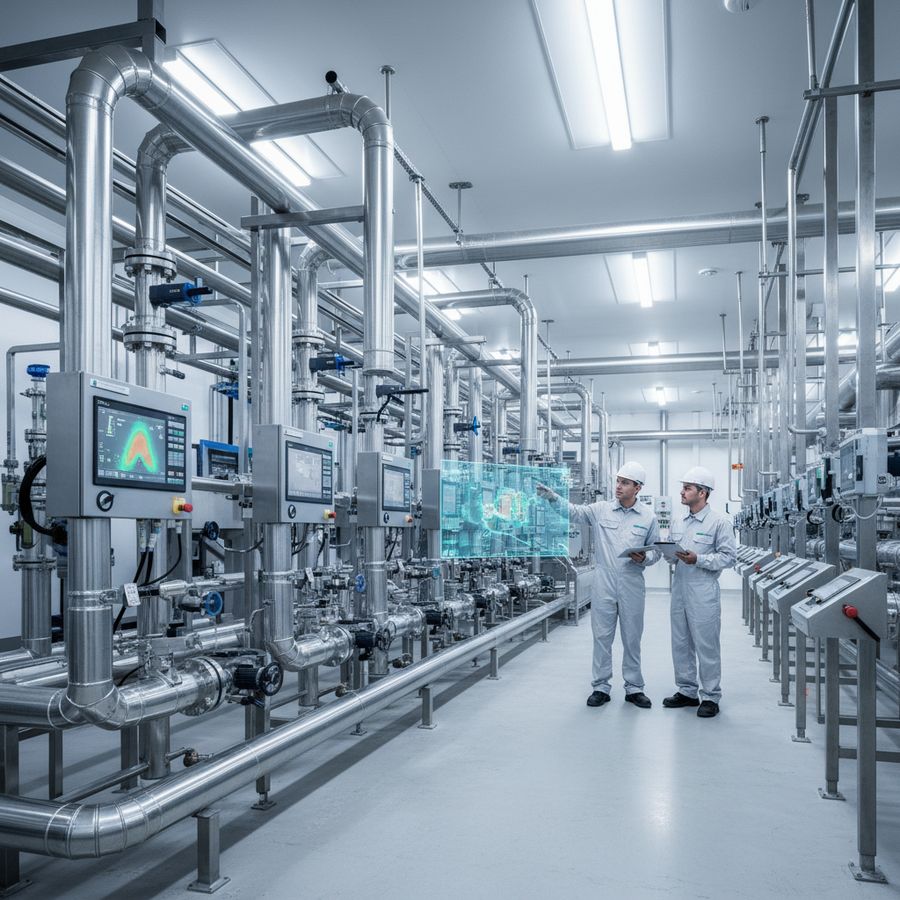
The primary function of pressurized water regulators is to maintain a stable water temperature despite variations in external conditions or system demand. This is achieved through precise control valves and sensors that modulate water flow and pressure, ensuring the temperature remains within predefined parameters.
Temperature control is crucial in many industrial processes, including chemical reactions, manufacturing, and refrigeration. Even minor deviations can affect product quality, safety, and energy consumption. By controlling water temperature under pressure, these regulators minimize thermal shocks and optimize process consistency.
Moreover, pressurized water regulators play a critical role in protecting industrial equipment. They prevent overheating that can damage heat exchangers, pipes, and machinery. This protection extends equipment lifespan and reduces maintenance costs, key objectives for any industrial facility aiming to maximize operational uptime.
“Effective temperature control via pressurized water regulators is not just a technical necessity but a strategic advantage in industrial production.”
Given their importance, these regulators are integrated into complex control systems, allowing operators to monitor and adjust parameters remotely. This integration enhances process visibility and responsiveness, enabling rapid adaptation to shifting production needs while maintaining optimal water temperature and pressure levels.
Energy Efficiency Gains
One of the most significant benefits of incorporating pressurized water regulators into industrial systems is the potential for noteworthy energy efficiency improvements. By maintaining precise temperature control, these regulators help minimize energy waste that typically occurs due to overheating or overcooling.
In pressurized water systems, energy consumption is often linked directly to how effectively temperature is managed. When water temperature deviates from the optimal range, additional energy is required to compensate, leading to increased operational costs and environmental impact.
Pressurized water regulators reduce this inefficiency by ensuring water temperatures stay within the ideal range, thereby lowering the energy input needed for heating or cooling. This efficiency gain translates into:
-
Reduced utility bills due to optimized heating and cooling cycles
-
Lower greenhouse gas emissions, supporting sustainable industrial practices
-
Extended equipment life by preventing thermal stress and reducing mechanical wear
Furthermore, energy-efficient temperature control aligns with global industrial trends toward sustainability and cost-effectiveness, making pressurized water regulators a smart investment for future-proofing industrial operations.
“Implementing pressurized water regulators is a strategic step toward achieving energy savings and reducing environmental footprint in industrial applications.”
Integration with Cooling Systems
Integrating pressurized water regulators with existing cooling systems enhances overall system performance and reliability. These regulators serve as critical components in industrial refrigeration and temperature management setups, where precise control of water temperature is essential for cooling efficiency.
In many industrial applications, cooling systems rely on pressurized water circuits to transfer heat away from sensitive equipment or processes. By incorporating water temperature regulators, industries can ensure the cooling water remains at optimal temperatures, facilitating effective heat exchange and preventing system overloads.
Benefits of integration include:
-
Improved cooling system responsiveness and stability
-
Reduced risk of thermal fatigue and corrosion in cooling equipment
-
Enhanced adaptability to variable load conditions through accurate temperature modulation
Advanced integration also involves linking pressurized water regulators with digital control platforms, enabling real-time monitoring and automated adjustments. This level of control supports proactive maintenance and fine-tuning of cooling processes, leading to higher operational uptime and energy savings.
“Seamless integration of pressurized water regulators with cooling systems is key to unlocking superior temperature management and energy efficiency in industrial environments.”
Maintenance Tips
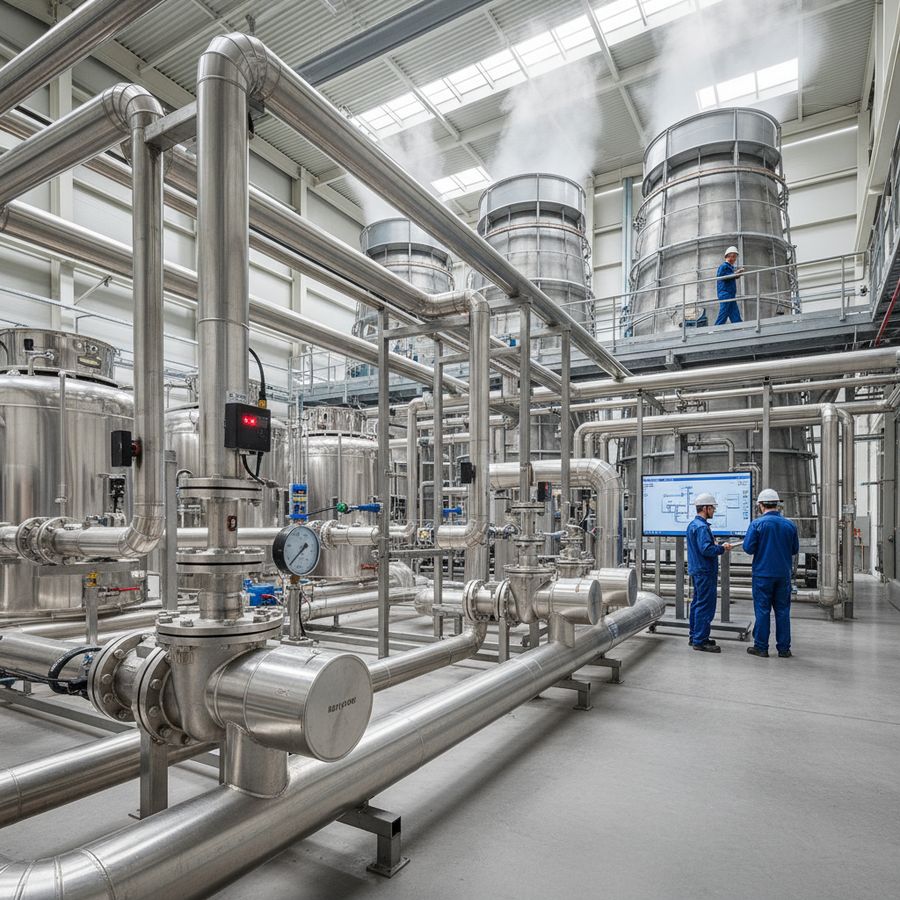
Maintaining pressurized water regulators is essential to ensure their long-term performance and reliability in industrial settings. Regular maintenance helps prevent unexpected failures that could disrupt temperature control and compromise production quality.
Key maintenance tips include:
-
Routine Inspection: Regularly check for leaks, corrosion, and mechanical wear to identify potential issues early.
-
Calibration: Periodically calibrate temperature and pressure sensors to maintain accuracy and responsiveness.
-
Cleaning: Remove sediment and mineral buildup that can affect valve operation and sensor readings.
-
Lubrication: Apply appropriate lubricants to moving parts to reduce friction and wear.
-
System Testing: Conduct performance tests under operational conditions to verify regulator response and stability.
Implementing a preventive maintenance schedule tailored to the specific industrial application and environmental conditions can mitigate risks and extend equipment life. Additionally, leveraging manufacturer support for technical guidance and spare parts ensures that maintenance activities align with best practices.
Consistent maintenance not only safeguards the pressurized water regulator’s function but also contributes to sustained energy efficiency and process reliability.
Industry Applications
Pressurized water regulators find versatile use across a wide array of industrial sectors due to their critical role in precise temperature control. Their capability to maintain stable water temperature and pressure under varying loads makes them indispensable in the following applications:
-
Chemical Industry: Ensuring optimal reaction temperatures to improve yield and safety.
-
Plastic Materials Manufacturing: Controlling cooling water in molding processes to maintain product quality.
-
Packaging Industry: Stabilizing temperatures in heat sealing and other temperature-sensitive operations.
-
Machine Tools: Regulating coolant temperature to prevent tool overheating and extend lifespan.
-
Enological Applications: Maintaining fermentation and storage temperatures for wine production.
These regulators are often part of comprehensive industrial refrigeration and temperature control systems, providing tailored solutions to meet specific process requirements. Companies like Frimec, with decades of expertise, offer custom-designed pressurized water regulators optimized for diverse industrial needs.
“The adaptability of pressurized water regulators across various industrial applications underscores their vital role in modern manufacturing and processing.”
Conclusion
In conclusion, pressurized water regulators are essential for achieving precise and reliable temperature control in industrial settings. Their capability to maintain consistent water temperature and pressure not only enhances operational efficiency but also protects equipment and supports energy-saving initiatives. To learn more about these critical components, visit Frimec.
Integration with cooling systems further amplifies their value by improving system performance and enabling smarter process management. Adhering to proper maintenance protocols ensures these regulators deliver sustained benefits and long service life.
Industries ranging from chemical processing to packaging and machine tools depend on these regulators to meet stringent quality and safety standards. As industrial processes evolve toward greater sustainability and automation, pressurized water regulators will continue to be key enablers of innovation and efficiency.
Embracing pressurized water regulators is a strategic investment for any industrial facility seeking to optimize temperature control, reduce energy consumption, and enhance overall process reliability.
