


Overview
Industrial chiller troubleshooting plays a crucial role in maintaining the efficiency and reliability of cooling systems in large-scale production environments. Industrial chillers are key components in various sectors, including manufacturing, chemical processing, plastics, and food production, where precise temperature control is essential. These systems help regulate heat and maintain optimal operating conditions, ensuring product quality and operational safety.
However, due to their complexity and continuous operation, industrial chillers can experience a range of issues that impact performance. Addressing these challenges promptly through effective troubleshooting and chiller maintenance helps prevent costly downtime and extends equipment lifespan. Understanding common problems, diagnostic techniques, and preventive measures enables operators and technicians to maintain smooth system functionality.
In this guide, we will explore the frequent challenges faced during industrial chiller operation and provide actionable fixes. We will also cover diagnostic approaches, preventive maintenance strategies, and advice on when to seek professional industrial refrigeration repairs. This comprehensive overview aims to equip you with the knowledge to maximize your chiller’s uptime and efficiency.
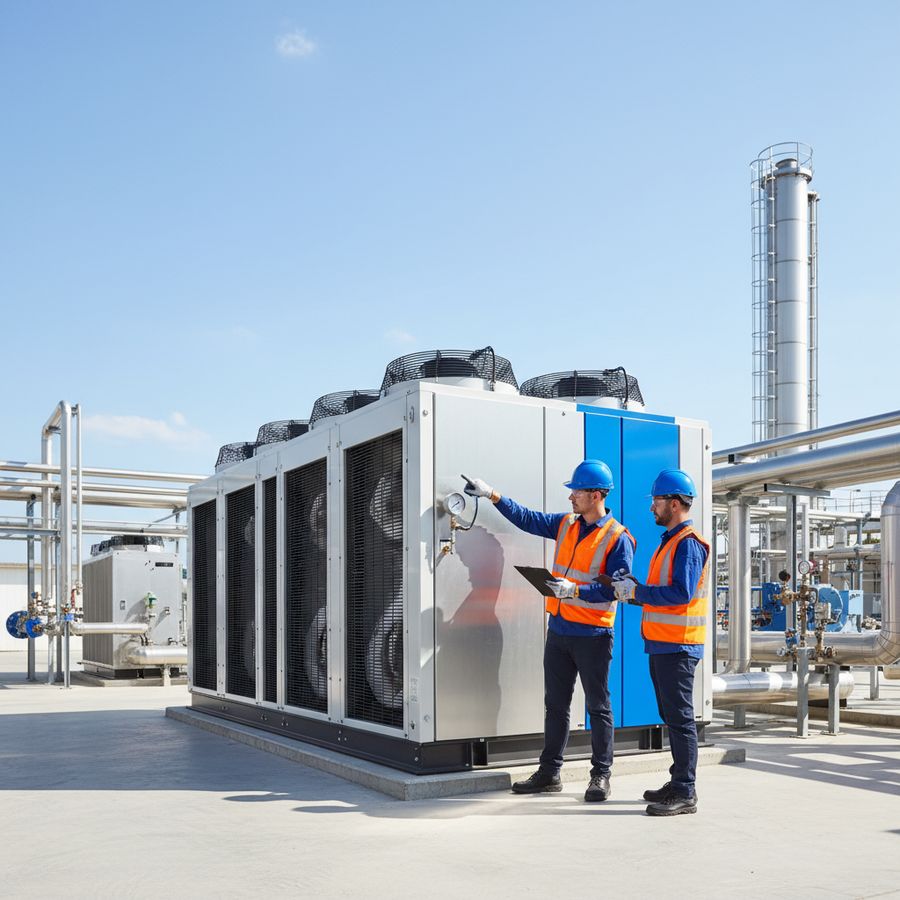
Common Chiller Problems
Industrial chillers may encounter various issues that manifest as performance drops, unusual noises, or system failures. Being aware of these common problems helps in early identification and resolution:
-
Refrigerant Leaks: Loss of refrigerant can cause reduced cooling capacity and increased energy consumption. Leaks often occur at joints, valves, or due to corrosion.
-
Compressor Failures: The compressor is the heart of the system, and mechanical issues or electrical faults can lead to total system shutdown.
-
Water Flow Problems: Insufficient water flow due to clogged filters, pump failures, or blocked pipes can cause overheating and inefficient cooling.
-
Electrical Issues: Faulty wiring, blown fuses, or defective control panels can disrupt chiller operation and safety mechanisms.
-
Sensor Malfunctions: Incorrect temperature or pressure readings from damaged sensors can lead to improper system responses and energy waste.
-
Dirty Condenser Coils: Dirt and debris accumulation on coils reduces heat exchange efficiency, causing high operating pressures and potential shutdowns.
-
Frozen Evaporator Coils: This typically results from low refrigerant levels or improper airflow, leading to reduced cooling output.
Identifying these issues early through routine checks and monitoring is essential for effective industrial chiller troubleshooting and timely repairs.
Diagnostic Techniques
Accurate diagnostics are the foundation of effective industrial chiller troubleshooting. Utilizing systematic approaches and tools can pinpoint the root causes of cooling system issues:
Visual Inspection: Begin by examining the chiller for obvious signs of wear, leaks, corrosion, or damage. Check connections, belts, and filters for abnormalities.
Performance Monitoring: Analyze operational parameters such as temperature differentials, pressure readings, and energy consumption data. Sudden deviations often indicate underlying problems.
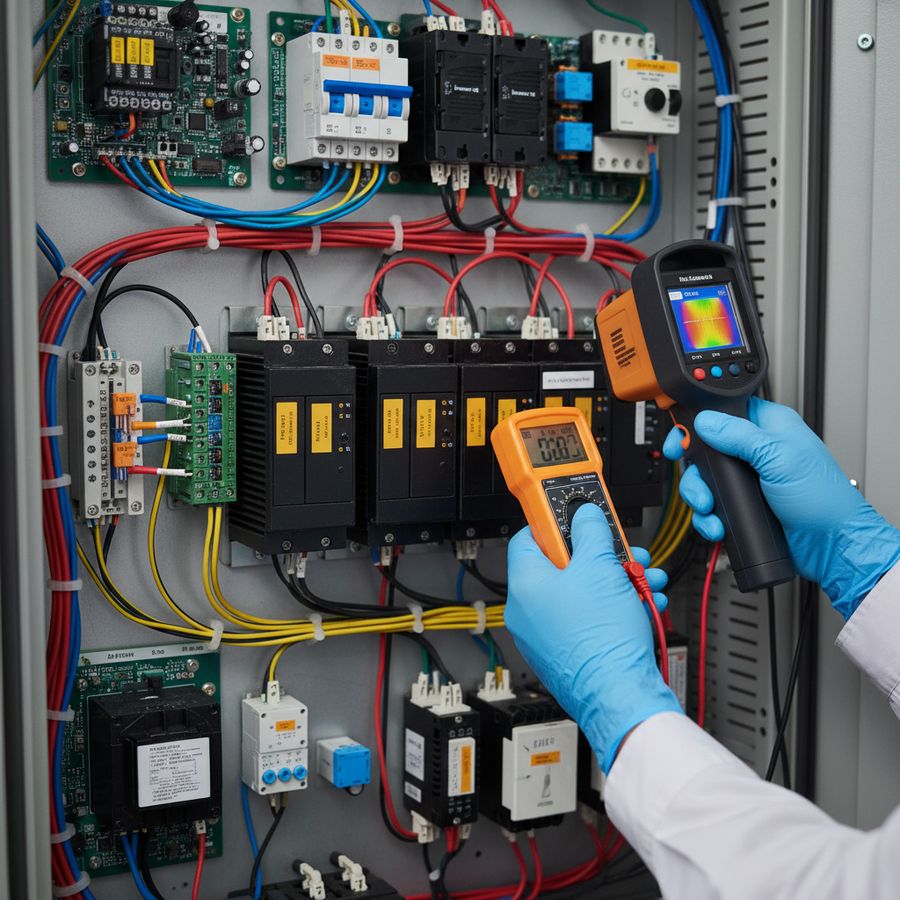
Use of Diagnostic Instruments: Tools like refrigerant leak detectors, multimeters, and thermal imaging cameras provide precise information for troubleshooting electrical and mechanical faults.
Sensor and Control Checks: Verify sensor calibration and control panel settings to ensure accurate system feedback and appropriate operational responses.
“Combining hands-on inspection with advanced diagnostic tools ensures a thorough understanding of chiller condition, enabling targeted repairs and optimized performance.”
Documenting findings during diagnostics supports ongoing chiller maintenance by providing a reference for future troubleshooting and preventive actions.
Preventive Measures
Implementing robust preventive maintenance practices is vital to avoid unexpected breakdowns and prolong the lifecycle of industrial chillers. These measures focus on early detection and correction of potential issues:
-
Regular Cleaning: Keep condenser coils, filters, and cooling towers free from dirt and debris to maintain efficient heat exchange.
-
Scheduled Inspections: Conduct routine checks of refrigerant levels, electrical components, and mechanical parts to identify wear and leaks early.
-
Lubrication and Calibration: Ensure all moving parts are properly lubricated and sensors are accurately calibrated for optimal operation.
-
Water Treatment: Implement water quality management to prevent scaling and corrosion in chillers using water-cooled systems.
-
System Testing: Periodically test safety controls and alarms to confirm they function correctly under fault conditions.
Adhering to these preventive maintenance tactics minimizes downtime and reduces the risk of costly emergency industrial refrigeration repairs. Proactive care also enhances energy efficiency, lowering operational costs.
“Preventive maintenance is the cornerstone of reliable industrial refrigeration, saving time and money by addressing issues before they escalate.”
When to Call Experts
While routine troubleshooting and maintenance can be handled in-house, certain situations demand professional intervention from experienced industrial refrigeration technicians. Knowing when to escalate helps avoid exacerbating problems:
-
Persistent or Complex Faults: Issues that resist basic fixes or recur frequently require expert diagnostics and repairs.
-
Compressor or Major Component Failures: These critical parts need specialized equipment and expertise for safe and effective repair or replacement.
-
Electrical System Malfunctions: High-voltage systems present safety hazards and must be serviced by certified professionals.
-
System Upgrades and Retrofits: Experts can recommend and implement energy-efficient technologies and compliance upgrades.
-
Warranty and Compliance Concerns: Professional service ensures adherence to manufacturer guidelines and regulatory standards.
Engaging with skilled technicians guarantees that your industrial chiller receives the best care, preserving performance and safety standards.
Maintenance Tips
Effective chiller maintenance is an ongoing commitment that significantly boosts system reliability. Here are practical tips to optimize your maintenance program:
-
Keep Detailed Records: Log all inspections, repairs, and part replacements to track chiller health and schedule future tasks.
-
Train Personnel: Ensure operators and maintenance staff are well-trained in system operation and basic troubleshooting.
-
Monitor System Performance: Use automated monitoring where possible to detect anomalies early and adjust settings proactively.
-
Use Quality Parts and Fluids: Always use manufacturer-recommended refrigerants, lubricants, and replacement components.
-
Schedule Seasonal Maintenance: Prepare chillers for seasonal variations with thorough checks before high-demand periods.
“Consistent and informed maintenance practices not only reduce the risk of cooling system issues but also enhance energy efficiency and sustainability.”
By following these tips, businesses can maintain optimal industrial refrigeration performance, ensuring production stability and cost-effective operation.
Conclusion
Troubleshooting industrial chillers is crucial for maintaining the efficient and continuous operation of cooling systems that are vital to various manufacturing and processing sectors. By understanding the common chiller problems, applying precise diagnostic techniques, and implementing strong preventive maintenance strategies, you can significantly minimize downtime and repair expenses.
While routine issues can often be managed internally, knowing when to call experts for industrial refrigeration repairs is vital to safeguard your investment and maintain compliance with safety standards. Adhering to consistent maintenance schedules and training staff enhances system longevity and operational efficiency.
With over 55 years of excellence in industrial refrigeration and temperature control technology, partnering with trusted providers ensures tailored, reliable solutions that meet the demanding needs of modern industry.
