


Overview
Industrial cooling systems are integral to maintaining optimal operating temperatures in a wide range of manufacturing and production environments. These systems are designed to dissipate heat generated by machinery, processes, or products, ensuring equipment efficiency, product quality, and workplace safety. However, industrial cooling can be energy-intensive, often accounting for a significant portion of a facility’s total energy consumption.
Implementing energy-saving strategies in industrial cooling is therefore crucial for reducing operational costs and minimizing environmental impact. By focusing on efficiency strategies, industries can optimize cooling system performance while conserving valuable energy resources.
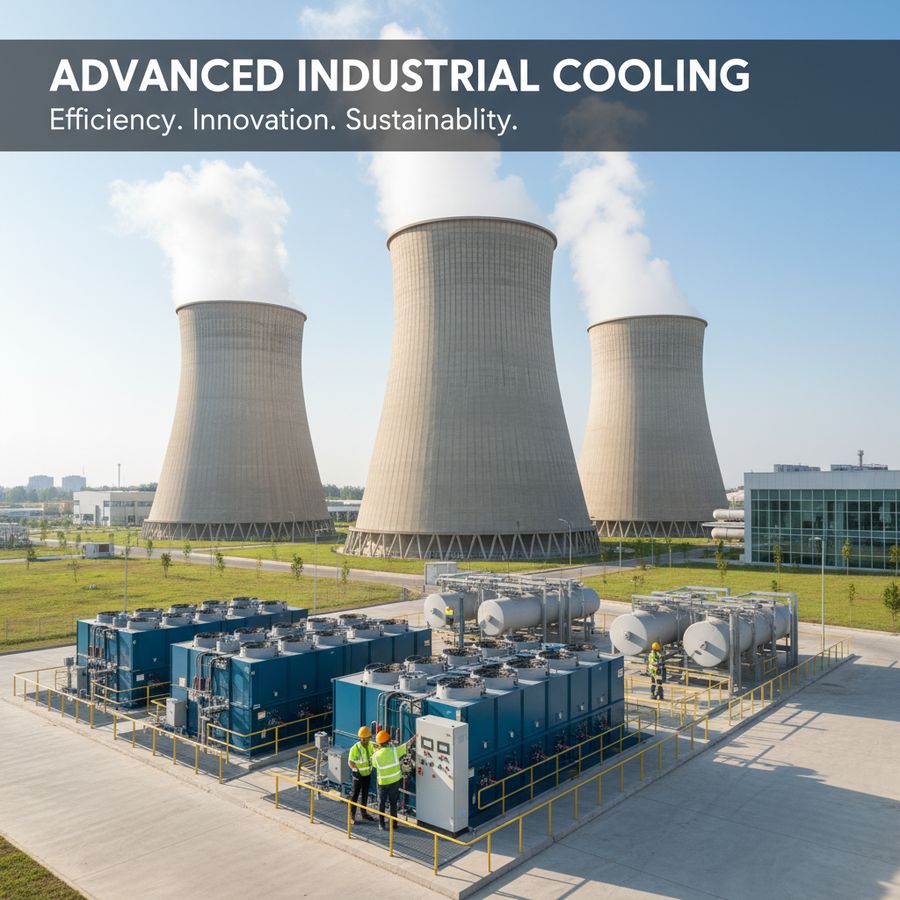
Modern cooling systems vary considerably depending on the application, but common types include air chillers, refrigeration units with air or water condensation, free cooling systems, and cooling towers. Each of these technologies offers different opportunities for energy savings through design improvements and smart operation.
In this article, we explore effective energy-saving methods tailored to industrial cooling, covering technological advancements, operational best practices, and regulatory compliance. Our goal is to provide actionable insights that help businesses enhance sustainability without compromising productivity.
Importance of Energy Efficiency
Energy efficiency in industrial cooling systems is not just an operational concern but a strategic imperative. Cooling processes, if not optimized, can lead to excessive energy consumption, escalating costs, and increased carbon footprints. With rising energy prices and stringent environmental regulations worldwide, improving cooling system efficiency has become a top priority for industrial operators.
One of the primary benefits of adopting energy-saving measures in cooling systems is cost reduction. Efficient systems consume less power, resulting in lower utility bills and improved profitability. Additionally, energy-efficient cooling reduces wear and tear on equipment, extending the lifespan of critical assets and minimizing maintenance expenses.
From an environmental perspective, enhancing energy efficiency contributes to reducing greenhouse gas emissions. Industrial facilities are significant energy consumers, and their cooling operations play a substantial role in overall energy demand. By implementing efficiency strategies, companies can demonstrate corporate social responsibility and align with global sustainability goals.
“Optimizing energy use in cooling systems is a vital step toward sustainable industrial production and operational excellence.”
Furthermore, energy-efficient cooling systems improve reliability and process stability. Consistent temperature control is essential for maintaining product quality and preventing costly downtime. Energy-saving strategies often enhance system responsiveness and adaptability, supporting better process control.
Technologies Driving Savings
The evolution of industrial cooling technologies has opened new frontiers for energy savings. Incorporating advanced solutions can significantly improve efficiency while meeting demanding cooling requirements.
Variable speed drives (VSDs) are one such technology. By adjusting motor speeds based on real-time cooling demand, VSDs reduce unnecessary energy consumption compared to traditional fixed-speed systems. This adaptability ensures the system only uses power proportional to the actual load.
Free cooling systems leverage ambient environmental conditions to reduce mechanical cooling requirements. By using natural cool air or water sources when conditions permit, these systems minimize compressor use, delivering substantial energy savings especially in cooler climates or seasons.
Heat recovery technologies capture waste heat from refrigeration cycles or other industrial processes and repurpose it for heating applications, reducing overall energy demand. Additionally, high-efficiency compressors, advanced control algorithms, and improved heat exchanger designs contribute to lowering energy consumption.
-
Advanced air chillers with optimized refrigerant circuits
-
Microchillers for localized cooling with minimal waste
-
Water temperature regulators and pressurized systems for precise thermal management
Integration of these technologies into a cohesive cooling system tailored to specific industrial needs maximizes energy savings. Continuous innovation in materials, controls, and system design is pushing the boundaries of what industrial cooling efficiency can achieve.
Operational Best Practices
Beyond technology, operational best practices are essential to realize the full potential of energy saving in industrial cooling. Efficient operation ensures that systems run optimally day-to-day, avoiding waste and excessive energy use.
Regular maintenance is critical. Clean heat exchangers, properly lubricated motors, and leak-free refrigerant circuits maintain system efficiency. Neglecting these aspects can cause significant performance degradation and energy waste.
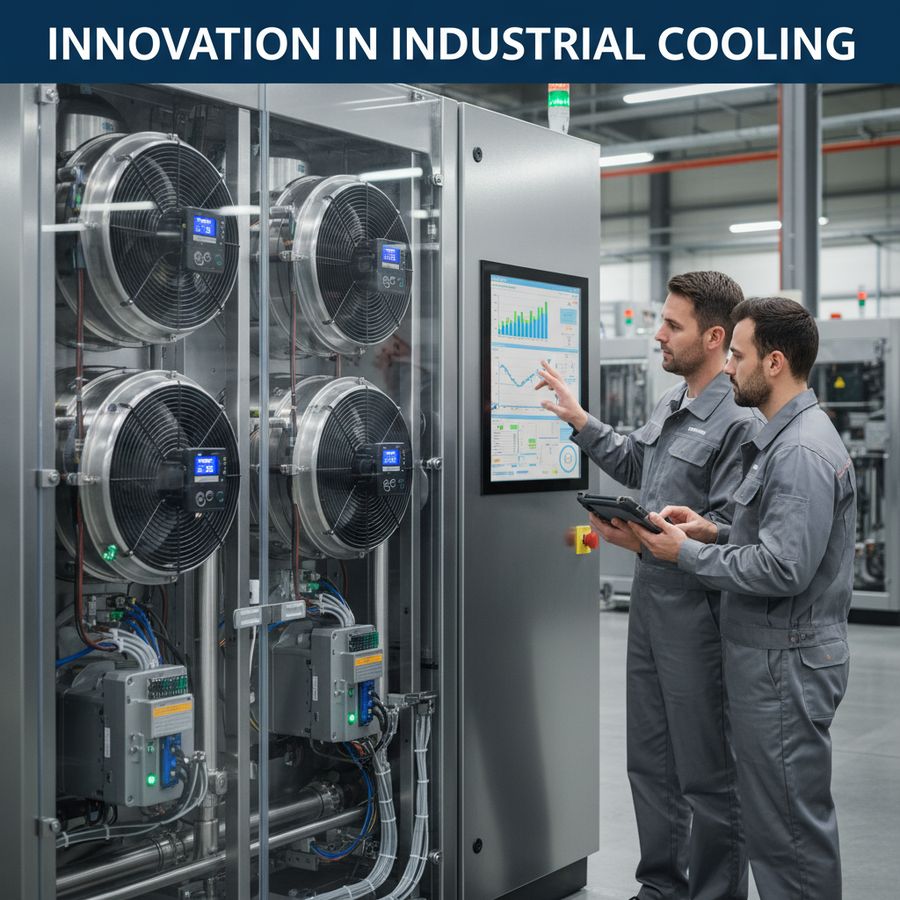
Implementing predictive maintenance using sensors and analytics helps identify potential issues before they escalate, enabling timely interventions that preserve efficiency. Training operators on system specifics and energy-saving procedures further enhances operational performance.
Optimizing operating parameters such as temperature setpoints, flow rates, and pressure levels ensures the cooling system works within its most efficient range. For example, raising chilled water temperature setpoints slightly can reduce compressor load without affecting product quality.
Load management is another key practice. Balancing cooling demand across different processes or shifts smooths out peaks that can cause energy spikes. Scheduling maintenance or production runs to align with off-peak energy periods can also reduce costs.
“Adopting operational best practices transforms advanced cooling technologies into real-world energy savings.”
Energy audits and performance benchmarking provide valuable feedback, helping identify inefficiencies and prioritize improvements. Combining these practices with technological upgrades fosters a culture of continuous efficiency enhancement.
Monitoring and Optimization
Effective monitoring and optimization are the cornerstones of sustainable energy savings in industrial cooling systems. Real-time data collection and analysis enable proactive management to maintain peak efficiency.
Advanced monitoring systems track key performance indicators such as energy consumption, temperature fluctuations, and equipment status. Integrating these data streams with intelligent control platforms allows for dynamic adjustments based on current conditions and historical trends.
Optimization software can simulate different operating scenarios, recommending parameter changes that improve efficiency without compromising cooling capacity. This data-driven approach leads to smarter resource use and faster identification of anomalies.
-
Energy management systems (EMS) for continuous performance tracking
-
Automated alerts for maintenance needs or operational deviations
-
Remote access and control capabilities for centralized supervision
By leveraging digital tools, industrial operators can implement adaptive control strategies that respond to production variations, ambient temperature changes, and equipment aging. This ensures cooling systems consistently operate at their best, maximizing energy savings over time.
Historical data analysis also supports better forecasting and energy planning, helping companies anticipate demand spikes and optimize energy procurement.
Regulatory Compliance
Complying with environmental and energy regulations is a vital aspect of managing industrial cooling systems. Governments and international bodies are increasingly mandating energy efficiency standards and emissions limits to mitigate climate change impacts.
Adhering to these regulations not only avoids penalties but can also unlock incentives such as tax credits, grants, or preferential energy tariffs. Many jurisdictions require industrial facilities to perform energy audits and report on their consumption and efficiency measures.
Standards such as ISO 50001 for energy management provide frameworks for systematic efficiency improvement. Following these guidelines demonstrates commitment to sustainability and can enhance corporate reputation.
“Regulatory compliance in energy efficiency is both a responsibility and an opportunity for industry leaders.”
Additionally, compliance drives innovation, encouraging the adoption of cutting-edge energy-saving technologies and best practices. Industrial operators should stay informed about evolving regulations and proactively update their cooling systems to meet or exceed requirements.
Partnering with experienced industrial refrigeration specialists can facilitate navigating complex regulatory landscapes and developing compliant, energy-efficient cooling solutions customized to specific industrial needs.
Conclusion
The pursuit of energy-saving strategies in industrial cooling systems is crucial for modern industries looking to cut costs, boost sustainability, and maintain a competitive edge. By integrating innovative technologies with effective operational practices and continuous monitoring, companies can unlock significant efficiency gains.
Investing in energy-efficient cooling solutions and complying with regulatory standards not only reduces environmental impact but also enhances system reliability and productivity. A strategic approach to industrial cooling promotes long-term business resilience and supports the global shift towards greener industrial processes.
Embracing energy efficiency in cooling systems is a decisive step toward a sustainable industrial future. To learn more about effective solutions, visit Frimec.
