


The Synergy of Thermoregulation and Automation in Manufacturing
Precision Temperature Control for Optimal Production
Okay, so think about it: temperature matters. A lot. In manufacturing, getting the temp just right can make or break the whole process. We’re talking about precision here, folks. If things get too hot or too cold, you end up with products that are, well, not so great. Thermoregulation steps in to keep everything stable, ensuring that each step of the process happens at the perfect temperature. This leads to better quality, fewer mistakes, and a smoother operation overall. It’s like having a thermostat for your entire factory, but way more advanced.
Automated Systems for Consistent Process Management
Automation is the name of the game when it comes to keeping things consistent. Instead of relying on people to manually adjust settings and monitor processes, automated systems take over. These systems can handle everything from mixing ingredients to packaging finished products, all while following pre-set instructions. This means less room for human error and more reliable results. Plus, automated systems can run 24/7 without getting tired or making mistakes, which is a huge win for productivity.
Integrating Data for Enhanced Operational Visibility
Data is king, right? When you combine thermoregulation and automation, you get a ton of data about your manufacturing processes. This data can be used to track performance, identify problems, and make improvements. By integrating all this information into a central system, you get a clear picture of what’s happening on the factory floor. This visibility allows you to make informed decisions, optimize your operations, and ultimately, boost your bottom line. It’s like having a dashboard that shows you exactly how your factory is performing at any given moment.
Achieving Unprecedented Product Consistency
Okay, so let’s talk about making stuff that’s always the same. It’s a big deal, right? Nobody wants a product that’s different every time they buy it. It’s all about consistency, and that’s where thermoregulation and automation really shine. It’s not just about making things; it’s about making them the same, every single time.
Minimizing Variability Through Advanced Control
Think about it: tiny changes in temperature can mess everything up. Advanced control systems keep things super stable. This means fewer surprises and more predictable results. It’s like having a really good thermostat, but for your whole production line. You can really dial in the settings and know that things will stay put. This is especially important when you’re working with materials that are sensitive to temperature changes.
Reducing Defects with Stable Environmental Conditions
Defects are a pain. They cost money, waste time, and make customers unhappy. Stable conditions mean fewer defects. When the environment is controlled, the process is controlled. It’s that simple. It’s like baking a cake – if the oven temperature is all over the place, the cake won’t turn out right. Same goes for manufacturing.
Ensuring Uniformity Across Production Batches
Imagine you’re making a batch of something today, and then another batch next week. You want them to be identical, right? Thermoregulation and automation make that possible. They ensure that every batch is made under the same conditions, so the end result is always the same. This is super important for things like pharmaceuticals or electronics, where even small differences can matter a lot.
Optimizing Energy Efficiency and Resource Utilization
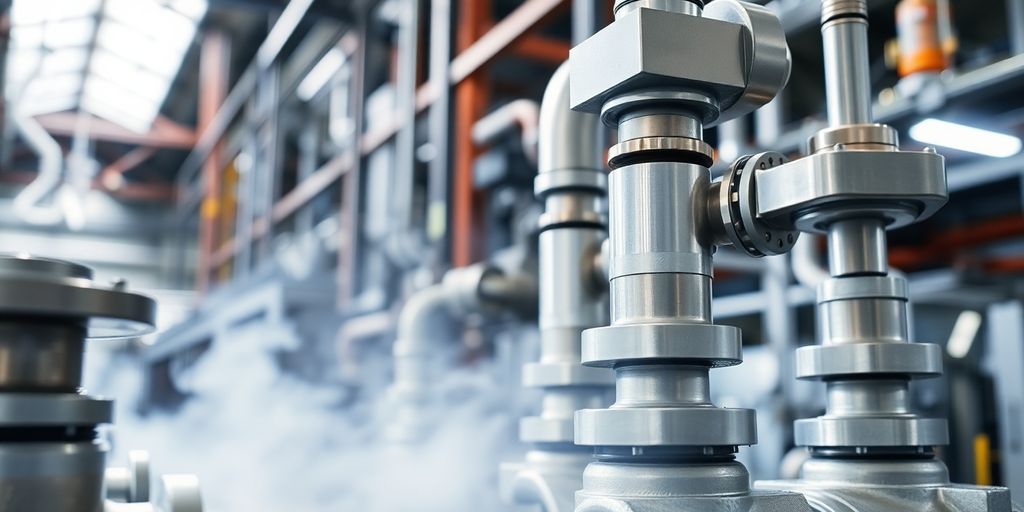
Let’s talk about saving some money and being a bit greener, shall we? It’s not just about feeling good; it’s about making smart choices that benefit everyone. When we combine thermoregulation and automation, we can really start to see some serious improvements in how we use energy and resources. It’s a win-win, really.
Smart Thermoregulation for Reduced Energy Consumption
Think about it: constantly running equipment at full blast, even when it’s not needed, is a huge waste. Smart thermoregulation allows us to adjust temperatures based on actual demand. This means less energy used and lower bills. It’s like having a thermostat that actually thinks about what it’s doing, adjusting to the environment and production needs in real-time. No more heating or cooling empty spaces!
Automated Shutdowns and Startups for Resource Savings
How many times have you left a light on when you left a room? Now imagine that on an industrial scale. Automated shutdowns and startups make sure equipment isn’t running when it doesn’t need to be. It’s not just about energy; it’s about extending the life of the equipment and reducing wear and tear. Plus, it frees up personnel to focus on more important tasks than flipping switches. It’s a simple change that can have a big impact.
Predictive Maintenance for System Longevity
Instead of waiting for something to break down, predictive maintenance uses data to anticipate problems before they happen. This means fewer unexpected outages, less wasted material, and a longer lifespan for your equipment. It’s like getting a check-up for your machines, catching small issues before they turn into big, expensive headaches. This approach not only saves resources but also keeps production running smoothly. It’s all about being proactive, not reactive.
Enhancing Safety and Compliance Standards
Safety is a big deal, and so is following the rules. When you mix thermoregulation and automation, you can seriously improve both. It’s not just about avoiding accidents; it’s about making sure you’re doing things the right way, every time. Let’s look at how these technologies help keep things safe and compliant.
Automated Monitoring for Hazard Prevention
Think about it: instead of someone constantly checking gauges, sensors are always on the lookout for problems. If something gets too hot, or pressure gets too high, the system can automatically shut things down or send an alert. This real-time monitoring is a game-changer for preventing accidents before they happen. It’s like having a super-attentive safety inspector who never sleeps.
Maintaining Regulatory Adherence with Controlled Environments
Lots of industries have strict rules about temperature and humidity. Automation makes it way easier to stick to those rules. You can set up systems to automatically adjust conditions, so you’re always within the required range. This not only helps you avoid fines but also shows that you’re serious about doing things by the book.
Reducing Human Error in Critical Operations
People make mistakes; it’s just part of being human. But in some situations, a mistake can be a big problem. Automation can take over some of the most critical tasks, reducing the chance of human error. This is especially important in areas where even a small slip-up could lead to a safety issue or compliance violation. By letting machines handle the tricky stuff, you’re making things safer for everyone.
Driving Innovation Through Process Control
Facilitating New Material Development with Precise Conditions
Think about it: creating new materials is tough. You need exact conditions. Thermoregulation and automation give us that control. It’s like having a super-precise lab assistant that never gets tired or makes mistakes. This precision lets scientists and engineers experiment with different combinations and processes, leading to breakthroughs that wouldn’t be possible otherwise. It’s not just about making things; it’s about discovering what’s possible.
Accelerating Research and Development Cycles
Time is money, right? With automated systems, we can run experiments faster and more efficiently. This means quicker turnaround times for research and development. Instead of waiting days or weeks for results, we can get them in hours. This speed lets companies iterate faster, test more ideas, and ultimately bring new products to market sooner. It’s a game-changer for staying ahead of the competition.
Enabling Complex Manufacturing Techniques
Some manufacturing processes are just plain complicated. They require very specific temperatures, pressures, and timings. Automation and thermoregulation make these complex techniques possible. Think about creating advanced composites or microchips. These processes demand a level of control that only automated systems can provide. It opens the door to manufacturing products that were once considered impossible.
Real-time Monitoring and Data-driven Decision Making
Instantaneous Feedback for Process Adjustments
Imagine having eyes everywhere in your industrial process. That’s what real-time monitoring gives you. It’s not just about seeing what’s happening; it’s about seeing it now. This immediate feedback loop allows for quick adjustments, preventing minor issues from snowballing into major problems. Think of it like driving a car – you’re constantly making small corrections based on what you see on the road. Same idea here, but for manufacturing.
Leveraging Analytics for Continuous Improvement
Data is king, right? But raw data is just noise. The real power comes from analytics. By digging into the data generated by your thermoregulation and automation systems, you can spot trends, identify bottlenecks, and optimize your processes. It’s about turning information into actionable insights. You can see where you’re wasting energy, where your equipment is underperforming, and where you can make improvements. It’s a cycle of continuous improvement, driven by data.
Predictive Modeling for Future Performance
What if you could see the future? Well, predictive modeling isn’t quite a crystal ball, but it’s close. By using historical data and advanced algorithms, you can forecast potential issues and optimize your operations for maximum efficiency. It’s like knowing when your car needs an oil change before the warning light even comes on. This proactive approach can save you time, money, and a whole lot of headaches by preventing downtime and optimizing resource allocation.
Implementing Advanced Thermoregulation and Automation Solutions
Okay, so you’re thinking about actually putting these fancy thermoregulation and automation ideas into practice. That’s awesome! But where do you even start? It can feel like a huge undertaking, but breaking it down into smaller steps makes it way less scary. Let’s walk through it.
Assessing Current Infrastructure for Integration
First things first, take a good, hard look at what you’ve already got. What kind of equipment are you working with? How old is it? Can it even talk to new automation systems? This initial assessment is super important because it’ll dictate what kind of upgrades or changes you’ll need to make. Think about your existing sensors, control systems, and data networks. Are they up to the task? If not, you’ll need to factor in the cost and effort of replacing or upgrading them. It’s like figuring out if your old car can handle a new, high-tech engine – sometimes, it’s just not worth the hassle.
Selecting Appropriate Technologies for Specific Needs
Now for the fun part: picking out the cool new toys! But seriously, this is where you need to be strategic. Don’t just go for the flashiest, most expensive option. Think about your specific needs and challenges. What are you trying to achieve with thermoregulation and automation? Are you trying to improve product quality, reduce energy consumption, or enhance safety? The answers to these questions will help you narrow down your choices. For example, if you’re dealing with extremely sensitive materials, you might need a more precise temperature control system than if you’re just trying to keep a warehouse from freezing. Do your research, read reviews, and talk to other people in your industry to see what’s working for them. It’s all about finding the right fit for your unique situation.
Training Personnel for System Operation and Maintenance
Okay, you’ve got all this amazing new technology installed. Great! But it’s completely useless if nobody knows how to use it. Training is absolutely critical for a successful implementation. Make sure your employees are properly trained on how to operate, maintain, and troubleshoot the new systems. This includes everything from basic operation to advanced diagnostics. Consider offering ongoing training and support to keep their skills sharp. After all, you don’t want your fancy new equipment to become a very expensive paperweight because nobody knows how to turn it on.
Want to make your factory smarter and save energy? Our new ways to control temperature and automate tasks can help. We make sure your machines run just right, not too hot or too cold, and do things on their own so you don’t have to worry. Come see how we can make your business better and more efficient. Visit our website to learn more!
Conclusion
So, we’ve talked a lot about how thermoregulation and automation can really make a difference in industrial settings. It’s pretty clear that getting a handle on temperature and letting machines do some of the work can lead to better products. When you keep things steady, you get less waste, and your stuff just comes out right more often. It’s not about making things super complicated; it’s about making them work better and more reliably. Thinking about these things can help any operation run smoother and produce good results, time after time.
