


Understanding the importance of industrial refrigeration
The role of refrigeration in industrial processes
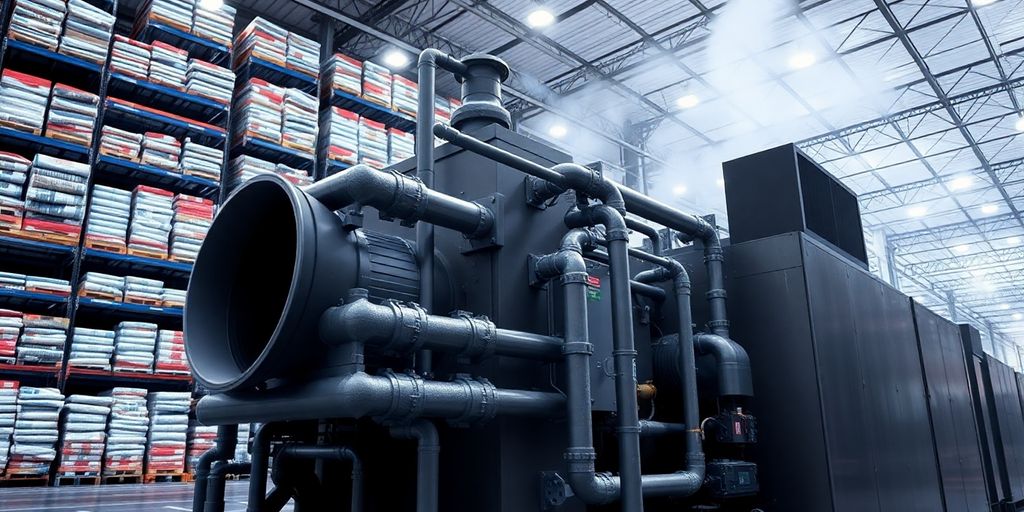
So, industrial refrigeration is a big deal. It’s not just about keeping things cold; it’s about making sure a ton of industrial processes can actually happen. Think about it: many products need specific temperatures during manufacturing, storage, and transport. Without refrigeration, things would get messy real quick. It’s a key part of how we make and move stuff.
Preventing spoilage and ensuring safety
Okay, let’s talk about why this matters. Imagine trying to store food without refrigeration. Yikes! Industrial refrigeration is what stops food from spoiling, keeps medicine effective, and prevents all sorts of other nasty things from happening. It’s a safety net that keeps us from getting sick and wasting a ton of resources. It’s a pretty big deal for public health and keeping things running smoothly.
Impact on global food production
Did you know that a huge chunk of the world’s food would go to waste without industrial refrigeration? Seriously, it’s estimated to be a massive amount. These systems allow us to store and transport food over long distances, meaning more people get fed. It’s a key part of the whole global food chain, and without it, things would look very different.
The critical role of industrial refrigeration in modern industries
Applications across diverse sectors
Industrial refrigeration isn’t just about keeping food cold; it’s a cornerstone of numerous industries. Think about it: food processing relies heavily on it to prevent spoilage, and pharmaceutical companies need it to maintain the integrity of medications. Chemical production, data centers, and even some manufacturing processes couldn’t function without reliable cooling systems. It’s safe to say that industrial refrigeration is way more widespread than most people realize.
Ensuring product integrity and quality
Temperature control is super important when it comes to making sure products are up to par. Inconsistent temperatures can mess with the quality of food, medicine, and other goods. Industrial refrigeration helps keep things consistent, so businesses can meet quality standards and keep customers happy. It’s all about maintaining the right conditions to prevent things from going wrong.
Technological advancements in cooling systems
Cooling systems have come a long way, that’s for sure. We’re talking about smarter controls, more efficient designs, and refrigerants that are better for the environment. These advancements not only make things more efficient but also help businesses save money and reduce their impact. It’s a win-win situation when technology improves both performance and sustainability.
Why industrial cooling in manufacturing is essential for quality control
Understanding the basics of industrial cooling
Alright, so let’s talk about industrial cooling. It’s basically the process of removing heat from machinery and products during manufacturing. This isn’t just about keeping things chill; it’s about making sure everything runs smoothly. Without proper cooling, machines can overheat and mess up the entire production line.
Preventing overheating and production delays
Overheating is a huge problem in manufacturing. When machines get too hot, they can break down, causing delays and costing a lot of money. Industrial cooling systems help prevent this by keeping everything at the right temperature. This means less downtime and more efficient production.
Maintaining optimal operating conditions
Maintaining the right temperature is super important for making sure products are high quality. Some materials change if they get too hot or cold, which can mess up the final product. Industrial cooling helps keep everything consistent, so you get the best results every time.
Selecting the right industrial chiller for optimal performance
Benefits of adiabatic cooling systems
So, you’re thinking about getting a new chiller? Well, let’s talk about adiabatic cooling. Adiabatic systems can seriously cut down on water use, which is great for the environment and your wallet. They work by using the air’s natural cooling ability, which means less reliance on water-intensive methods. It’s a win-win, really.
Reducing water usage in manufacturing
Water is a big deal in manufacturing, and cooling systems often use a ton of it. Traditional cooling towers? They can guzzle water. But here’s the thing: you can slash that water bill by switching to a chiller that’s designed to be water-efficient. Seriously, some systems can cut water use by a huge amount. Think about what you could do with all those savings!
Making smart investment decisions for efficiency
Okay, let’s be real: buying a chiller is a big investment. But it’s one that can pay off if you do it right. Don’t just grab the cheapest option. Think long-term: what’s the chiller’s lifespan, how much energy will it use, and what are the maintenance costs? A little research now can save you a lot of headaches (and money) later. Plus, a more efficient chiller can boost your whole operation’s efficiency, which is always a good thing.
Innovative industrial refrigeration solutions for efficiency
Unlocking efficiency with advanced systems
Okay, so when we talk about advanced refrigeration, we’re not just talking about making things colder. It’s about doing it smarter. Think systems that use less energy, adapt to changing needs, and basically pay for themselves over time through reduced operating costs. It’s about integrating tech to monitor and adjust cooling in real-time, ensuring peak performance without wasting resources.
Meeting the demands of modern cold storage
Modern cold storage is a whole different ballgame. It’s not just warehouses anymore; it’s complex networks that need to maintain precise temperatures across vast areas. This means refrigeration systems need to be scalable, reliable, and super efficient. They have to handle everything from produce to pharmaceuticals, each with its own specific temperature requirements. The challenge is keeping everything at the right temp without sending energy bills through the roof.
Future trends in refrigeration technology
Looking ahead, the future of refrigeration is all about sustainability and innovation. We’re talking about using more natural refrigerants, developing systems that recover and reuse waste heat, and integrating AI to predict and optimize cooling needs. It’s about moving towards a circular economy where energy is used more efficiently and environmental impact is minimized. Expect to see more emphasis on remote monitoring and diagnostics, allowing for proactive maintenance and preventing costly downtime.
Ensuring product freshness and safety through refrigeration
Maintaining temperature control in cold chains
So, you’ve got this whole cold chain thing, right? It’s basically keeping stuff cold from when it’s made until it gets to you. Industrial refrigeration is a big part of making sure that happens. If one part of the chain messes up, like if the truck’s fridge breaks down, everything can go bad super quick. It’s a pretty big deal for things like medicine and food.
Minimizing waste and maximizing shelf life
Think about all the food that gets thrown away. A lot of that is because it wasn’t kept cold enough. With good refrigeration, you can keep stuff fresh longer. That means less waste, which is good for everyone. Plus, stores can sell stuff for a longer time, so they don’t lose as much money. It’s a win-win, really.
Compliance with industry standards and regulations
There are rules about how cold things need to be kept, especially in the food and medicine industries. If you don’t follow those rules, you can get in big trouble. Industrial refrigeration helps companies stick to those rules. It’s not just about keeping things cold; it’s about making sure you’re doing things the right way.
Keeping food and other items cold is super important to make sure they stay good to eat and safe. This is where fridges and freezers come in handy! They slow down tiny germs that can spoil things and make you sick. Want to learn more about how we keep things fresh and safe? Check out our website!
Conclusion
So, it’s pretty clear that industrial refrigeration is a big deal for modern cold storage. It helps keep things safe and fresh, which is super important for lots of businesses. As technology keeps getting better, we can expect these systems to become even more efficient and reliable. This means less waste and better products for everyone. It’s a win-win situation, really.
