


Understanding the importance of precise temperature control
Precise temperature control is super important in industrial processes. I mean, think about it – if things aren’t just right, you’re looking at a whole mess of problems. It’s not just about keeping things comfy; it’s about making sure everything works like it should. Let’s break down why this is such a big deal.
Impact on product quality
Okay, so imagine you’re making something, anything. If the temperature isn’t spot on, the final product could be a total flop. We’re talking about stuff being ruined, not working right, or just plain being bad. It’s like baking a cake – too much heat, and it’s burnt; not enough, and it’s a soggy mess. Same deal here, just on a bigger, more expensive scale.
Energy efficiency considerations
Keeping temperatures steady takes energy, no surprise there. But if your system is all over the place, you’re wasting a ton of power. Think of it like leaving the fridge door open – all that cold air is escaping, and your electricity bill is going through the roof. Efficient temperature control means less wasted energy and more money in your pocket. Plus, it’s better for the planet, which is always a good thing.
Regulatory compliance requirements
Here’s the thing: lots of industries have rules about temperature control. It’s not just a suggestion; it’s the law. If you’re not following these rules, you could get hit with fines, or even shut down. So, keeping things at the right temperature isn’t just about making good stuff or saving energy; it’s about staying out of trouble with the authorities.
Neglecting regular maintenance and calibration
It’s easy to think, "If it ain’t broke, don’t fix it," but that’s a risky move with industrial thermoregulation systems. Skipping regular check-ups can lead to some serious headaches down the road. We’re talking about equipment failure, inconsistent product quality, and even regulatory issues. Let’s get into why staying on top of maintenance and calibration is so important.
Consequences of equipment failure
Think of your thermoregulation system like your car. If you never change the oil or check the tires, eventually, something’s gonna break down. With industrial equipment, that breakdown can mean a halt in production, costly repairs, and even safety hazards. Regular maintenance helps catch small problems before they turn into big, expensive disasters.
Best practices for maintenance schedules
So, what does a good maintenance schedule look like? It really depends on your specific equipment and operating conditions. But generally, you should be doing regular inspections, cleaning, and replacing worn parts. Keep a detailed log of all maintenance activities. It’s also a good idea to have a professional service your equipment at least once a year.
Importance of calibration for accuracy
Calibration is all about making sure your temperature sensors and controls are actually reading and responding accurately. Over time, sensors can drift, leading to inaccurate temperature readings. This can mess with product quality and energy efficiency. Regular calibration ensures that your system is operating within the required parameters. It’s a simple step that can save you a lot of trouble in the long run.
Overlooking the role of insulation and sealing
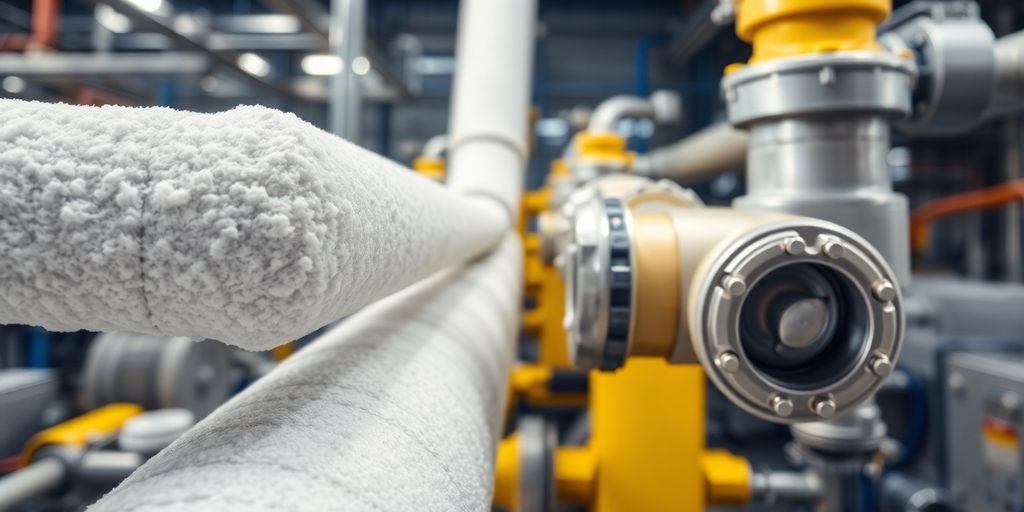
Okay, so you’ve got this fancy thermoregulation system, right? But here’s the thing: it’s like trying to cool your house with the windows wide open. Insulation and sealing are absolutely key. If you skip on these, you’re basically throwing money out the window. It’s not just about keeping the cold in (or the heat out); it’s about making your whole system work efficiently. Think of insulation and sealing as the unsung heroes of temperature control.
Effects of poor insulation on efficiency
Poor insulation? Get ready for your energy bills to skyrocket. Seriously, it’s that bad. Your system will be working overtime to compensate for all the heat loss (or gain), and that means more wear and tear on your equipment, too. Plus, you’ll probably see temperature fluctuations, which can mess with your product quality. It’s a domino effect of bad news, really.
Common sealing mistakes
Alright, let’s talk sealing. A lot of people think a bit of tape here and there is enough. Nope. We’re talking about proper gaskets, sealants designed for the temperatures you’re dealing with, and making sure everything is airtight. Gaps and cracks? Those are like little highways for heat transfer. And don’t forget to check your seals regularly – they can degrade over time.
Strategies for effective insulation
So, what’s the secret to good insulation? First, pick the right materials. There are tons of options out there, so do your homework. Think about the temperature range, the environment, and any specific requirements you might have. Then, make sure it’s installed correctly. Gaps, compression, and moisture can all kill the effectiveness of your insulation. And finally, don’t skimp! A little extra insulation can make a big difference in the long run.
Ignoring the significance of system design
It’s easy to think that any old setup will do when it comes to industrial thermoregulation, but that’s really not the case. A poorly designed system can lead to all sorts of problems down the road, costing you time, money, and a whole lot of headaches. Taking the time to plan things out properly from the start is super important.
Common design flaws to avoid
One of the biggest mistakes is not considering the specific needs of your application. Are you dealing with high temperatures? Corrosive materials? A system designed for general use might not cut it. Another common issue is undersizing components. It might seem like a good way to save money upfront, but it can lead to equipment failure and costly downtime later on. Also, think about accessibility for maintenance. Cramming everything into a tight space might save room, but it’ll make repairs a nightmare.
Importance of tailored solutions
Off-the-shelf solutions can be tempting, but they often don’t address the unique challenges of your operation. A tailored system, on the other hand, is designed to meet your specific requirements, optimizing performance and efficiency. This might involve selecting specific materials, customizing control algorithms, or integrating specialized sensors. It’s an investment that pays off in the long run with improved reliability and reduced operating costs.
Integration with existing systems
Don’t forget about how your new thermoregulation system will interact with your existing infrastructure. Compatibility issues can cause all sorts of problems, from communication errors to physical interference. Make sure to carefully assess the interfaces between systems and plan for any necessary modifications or upgrades. It’s also a good idea to involve your IT team early in the process to ensure seamless integration with your network and data management systems.
Failing to train staff adequately
It’s easy to think, "Oh, they’ll figure it out." But when it comes to industrial thermoregulation, that’s a recipe for disaster. Proper training is non-negotiable. You wouldn’t hand someone the keys to a race car without lessons, right? Same principle here.
Training programs for effective operation
So, what does good training look like? It’s not just about reading a manual. It’s about hands-on experience, understanding the why behind the how, and knowing what to do when things go sideways. Think simulations, workshops, and maybe even shadowing experienced operators. The goal is to build confidence and competence, so your team can handle anything thrown their way.
Importance of safety protocols
Let’s be real, industrial thermoregulation involves some serious equipment and potentially hazardous materials. Safety isn’t just a nice-to-have; it’s a must-have. Training needs to cover emergency shutdown procedures, proper handling of fluids, and what to do in case of a leak or malfunction. Make sure everyone knows the protocols inside and out. No shortcuts, no exceptions.
Continuous education and updates
Technology changes, regulations evolve, and best practices get refined. That means training can’t be a one-and-done thing. You need to invest in continuous education and updates. Regular refreshers, new equipment training, and staying on top of industry standards are all part of the game. Think of it as keeping your team’s skills sharp and your operation running smoothly.
Underestimating the impact of external factors
It’s easy to get tunnel vision when setting up your industrial thermoregulation system. You’re focused on the equipment, the processes, and the immediate environment. But what about the stuff you can’t control? Ignoring these external factors can lead to some pretty big headaches down the road. You need to think bigger than just your four walls.
Weather variations and their effects
Okay, so maybe this one seems obvious, but it’s still often overlooked. A heat wave or a cold snap can throw your entire system for a loop if you’re not prepared. Think about how humidity affects your cooling processes, or how extreme cold can impact the viscosity of fluids. You need to account for these variations in your design and operation. It’s not just about setting a temperature and forgetting it; it’s about constantly monitoring and adjusting.
Supply chain influences
We all know supply chains can be a mess. Delays in getting parts, changes in the quality of materials, or even just price fluctuations can all impact your thermoregulation system. If you’re relying on a specific coolant that suddenly becomes unavailable, what’s your backup plan? Having alternative suppliers and understanding the potential impact of material changes is key.
Monitoring and adapting to changes
This is where the rubber meets the road. You can’t just set it and forget it. You need to be constantly monitoring your system and adapting to changes in real-time. This means having the right sensors in place, analyzing the data, and making adjustments as needed. It also means being proactive and anticipating potential problems before they arise. Think of it as a continuous improvement process – always looking for ways to optimize your system and make it more resilient to external factors.
Many people don’t realize how much outside things can affect their plans. Whether it’s the weather, market changes, or new rules, these factors can change everything. It’s important to think about these influences when making decisions. Don’t let surprises catch you off guard! For more tips on how to prepare for these external factors, visit our website today!
Wrapping It Up
In conclusion, avoiding these five common mistakes in industrial thermoregulation can save you a lot of headaches down the line. It’s all about paying attention to the details, whether that’s keeping your equipment well-maintained or making sure your team is properly trained. Remember, a little effort now can prevent bigger problems later. So, take the time to review your processes and make adjustments where needed. Your operations will run smoother, and you’ll likely see better results overall. Don’t let these pitfalls trip you up—stay informed and proactive!
