


Understanding industrial thermoregulation
Definition and importance
So, what’s the deal with industrial thermoregulation? Basically, it’s all about keeping things at the right temperature in industrial processes. Think of it as the climate control system for factories and plants. It’s super important because temperature can seriously mess with production, product quality, and even safety. If things get too hot or too cold, you’re looking at problems, and nobody wants that.
Key components of thermoregulation systems
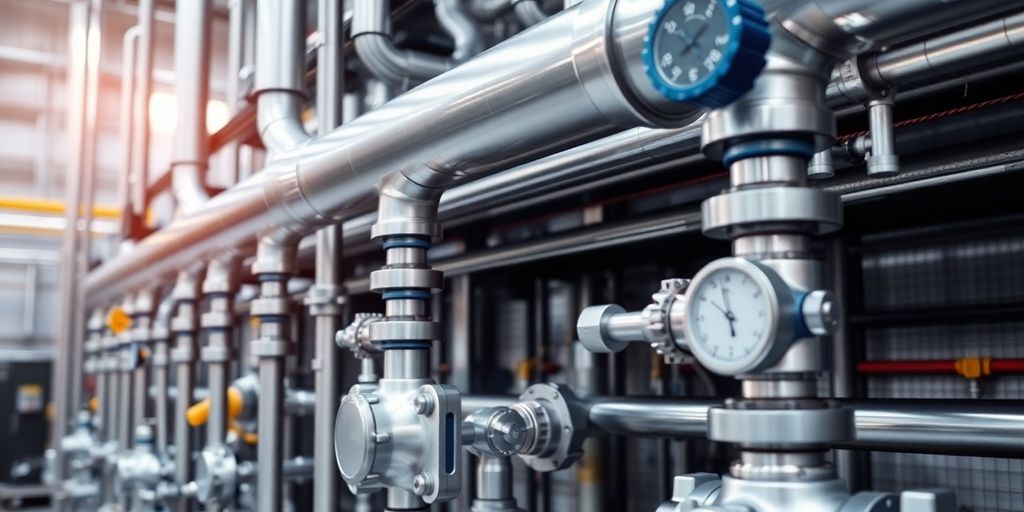
Okay, so what makes up these systems? Well, you’ve got your temperature sensors, which are like the thermostats. Then there are controllers, which act like the brains of the operation, deciding what to do based on the sensor readings. And of course, you need actuators – these are the muscles, like valves and heaters, that actually make the temperature changes happen. It’s a whole network working together.
Common applications in industry
Where do you see this stuff in action? Everywhere! Food processing needs precise temperatures to keep things safe and fresh. Chemical plants use it to control reactions. Even data centers need thermoregulation to keep all those servers from overheating. It’s kind of amazing how many industries rely on precise temperature control to get the job done.
Benefits of effective thermoregulation
Improved production efficiency
Okay, so picture this: your machines are running smoothly, right? No overheating, no weird temperature fluctuations throwing everything off. That’s what good thermoregulation gets you. It keeps things consistent, which means less downtime, fewer hiccups, and a faster overall production pace. It’s like giving your whole operation a serious shot of espresso – but without the jitters.
Enhanced product quality
Temperature control isn’t just about speed; it’s about getting things right. Think about it: if you’re making something sensitive to temperature, even a small change can mess things up. Effective thermoregulation keeps everything within the ideal range, so you end up with a better, more consistent product. Less waste, fewer defects – it’s a win-win.
Energy cost savings
Alright, let’s talk money. When your thermoregulation is on point, you’re not wasting energy trying to overcool or overheat things. Efficient systems use only what they need, which cuts down on your energy bill. Plus, when your equipment isn’t stressed by temperature swings, it lasts longer, saving you even more in the long run. It’s like finding a twenty in your old coat – a nice little bonus for doing things right.
Technologies in industrial thermoregulation
Temperature control systems
Okay, so when we talk about temperature control systems, we’re really talking about the brains of the whole operation. These systems are what monitor and adjust temperatures to keep everything running smoothly. You’ve got your basic thermostats, sure, but in industrial settings, things get way more complex. Think PID controllers, which are like super-smart thermostats that can learn and adapt to changes in the system. They use algorithms to predict what’s going to happen and make adjustments before things go out of whack. It’s all about precision and keeping things consistent.
Heat exchangers and chillers
Heat exchangers and chillers are the workhorses that actually do the heating or cooling. Heat exchangers transfer heat between two fluids without them mixing. Chillers, on the other hand, are like giant refrigerators that cool down a fluid, which is then circulated to cool down equipment or processes. The type you need really depends on the application. Some industries use plate heat exchangers because they’re compact and efficient, while others might need shell and tube exchangers for higher pressures and temperatures. And then there are absorption chillers, which use heat instead of electricity to cool things down – pretty neat, huh?
Advanced monitoring solutions
Finally, you can’t manage what you don’t measure, right? That’s where advanced monitoring solutions come in. We’re not just talking about sticking a thermometer in something and calling it a day. These systems use sensors, data analytics, and sometimes even AI to keep an eye on temperatures in real-time. They can spot trends, predict problems, and even automatically adjust settings to prevent issues before they happen. Plus, all that data can be used to optimize your processes and make things even more efficient. It’s like having a team of experts watching over your system 24/7.
Implementing thermoregulation strategies
Assessing your current systems
Okay, so you’re thinking about improving your thermoregulation. First things first, you gotta figure out where you’re at right now. I mean, really dig in and see what’s working and what’s not. Take a good, hard look at your existing equipment, processes, and data. Are there any obvious bottlenecks or inefficiencies? What’s your current energy consumption like? You can’t fix what you don’t understand, so this assessment phase is super important.
Choosing the right technology
Alright, you’ve done your homework and know what needs fixing. Now comes the fun part: picking the right tech. There are tons of options out there, from basic temperature controllers to fancy heat exchangers. Don’t just grab the shiniest new gadget, though. Think about what actually fits your needs and budget. Will this new tech integrate with your existing setup? Is it scalable for future growth? Consider the long-term costs too, not just the initial price tag.
Training staff for optimal use
So, you’ve got all this cool new equipment. Awesome! But it’s useless if your team doesn’t know how to use it. Proper training is key to getting the most out of your thermoregulation investments. Make sure everyone understands how the systems work, how to monitor performance, and how to troubleshoot common issues. Regular training updates can help keep everyone on the same page and prevent costly mistakes.
Challenges in industrial thermoregulation
Common pitfalls to avoid
Okay, so you’re setting up a thermoregulation system, or maybe you already have one. Either way, there are some pretty common mistakes people make. One biggie is oversizing equipment. It seems like a good idea to get something bigger than you need, just in case, right? But that can actually make things less efficient and cost you more in the long run. Another mistake is not thinking about the whole system. You can’t just slap a chiller on something and expect it to work perfectly. You need to consider how it all interacts. Also, ignoring the environment is a bad move. Is your factory super humid? Really dusty? That’s going to affect how your system performs.
Maintenance and reliability issues
Let’s be real, stuff breaks. And when it comes to thermoregulation, a breakdown can be a major headache. Regular maintenance is key, but it’s often overlooked. Think of it like changing the oil in your car – you know you should do it, but it’s easy to put off. Ignoring small problems can lead to big, expensive failures down the road. Plus, you need to think about redundancy. What happens if your main chiller goes down? Do you have a backup? If not, you could be looking at some serious downtime. Keeping an eye on things like coolant levels, leaks, and weird noises can save you a lot of trouble.
Regulatory compliance considerations
Alright, this is where things get a little less fun. There are rules, and you gotta follow them. Depending on your industry and location, there might be regulations about what kind of refrigerants you can use, how much energy your system consumes, and what kind of emissions it produces. Staying on top of these regulations can be a pain, but it’s way better than getting hit with a fine or, worse, having to shut down your operation. Make sure you’re up-to-date on all the latest requirements and that your system is designed and operated in compliance. It might be worth talking to an expert to make sure you’re covered.
Future trends in thermoregulation
Integration with IoT and smart technologies
Okay, so picture this: your thermoregulation system isn’t just regulating temperature, it’s thinking. That’s the direction we’re heading with IoT. We’re talking sensors everywhere, feeding data back to a central system that can make adjustments in real-time. It’s like giving your system a brain, allowing it to anticipate changes and optimize performance without you having to lift a finger. Pretty cool, right?
Sustainability and energy efficiency
Let’s be real, everyone’s talking about being green, and industrial thermoregulation is no exception. The future is all about finding ways to do more with less energy. Think about it: better insulation, more efficient heat exchangers, and systems that can recover and reuse waste heat. It’s not just about saving money; it’s about doing our part for the planet. Plus, with energy costs always on the rise, investing in sustainable thermoregulation is just plain smart business.
Emerging materials and methods
Things are changing fast, and new materials and methods are popping up all the time. We’re seeing stuff like nanofluids that transfer heat way better than traditional coolants, and phase-change materials that can store and release heat as needed. These innovations could totally change the game, making thermoregulation systems smaller, more efficient, and more reliable. It’s an exciting time to be in the industry, that’s for sure.
Case studies of successful thermoregulation
Industry-specific examples
Okay, so let’s get into some real-world examples. I was reading about this food processing plant, right? They were having major issues with temperature fluctuations during production. It was messing with the quality of their stuff and slowing everything down. They brought in a new thermoregulation system, and boom! Consistent temperatures, better product, and faster turnaround. It’s pretty cool to see how much of a difference it makes when you get it right. Different industries have different needs, so it’s not a one-size-fits-all kind of thing. Each sector requires a tailored approach.
Quantifiable results and improvements
Numbers don’t lie, and in the world of industrial thermoregulation, the numbers can be pretty impressive. I saw a study where a chemical plant reduced its energy consumption by like, 20% just by upgrading their cooling system. That’s a huge chunk of change saved every year! Plus, they cut down on waste because the temperature-sensitive reactions were more stable. It’s all about finding those areas where you can tweak things and get a big payoff. It’s all about efficiency.
Lessons learned from implementation
So, what can we learn from these success stories? Well, for starters, don’t skimp on the initial assessment. You gotta really understand your current system and where it’s falling short before you start throwing money at new tech. Also, training your staff is key. You can have the fanciest equipment in the world, but if nobody knows how to use it properly, you’re not gonna see the results you want. It’s a combination of smart planning, the right tools, and well-trained people that makes thermoregulation a game-changer.
In this section, we explore real-life examples of how effective thermoregulation has made a big difference in various industries. These case studies show how companies have successfully managed temperature control to improve their operations and save money. Want to learn more about how you can achieve similar results? Visit our website for more information!
Final Thoughts on Industrial Thermoregulation
In conclusion, mastering industrial thermoregulation is key to boosting your production efficiency. By keeping temperatures in check, you can prevent equipment failures and ensure product quality. It’s not just about having the right tools; it’s about understanding how they work together. Regular maintenance and monitoring can save you from costly downtime. So, take the time to assess your current systems and make improvements where needed. The benefits will show in your bottom line and overall productivity.
