


Understanding the importance of industrial refrigeration
The role of refrigeration in industrial processes
Okay, so industrial refrigeration is a big deal. It’s not just about keeping stuff cold; it’s about making sure a whole bunch of industrial processes can actually happen. Think about it: without proper cooling, a lot of manufacturing plants would just grind to a halt. We’re talking about everything from making food to producing chemicals. It’s kind of wild how much we rely on it, really.
Impact on food safety and quality
Ever wonder how that steak stays fresh on the shelf? Or how your medicine doesn’t spoil before you take it? Yep, that’s refrigeration doing its thing. Without it, we’d be dealing with a lot more foodborne illnesses and ineffective drugs. It’s a pretty important part of keeping us all healthy and safe. Plus, it helps maintain the quality of the products, so they actually taste good and work like they’re supposed to.
Applications in pharmaceuticals and chemicals
So, when we talk about pharmaceuticals and chemicals, refrigeration isn’t just about keeping things from spoiling. It’s often a critical part of the actual manufacturing process. Certain reactions need specific temperatures to, you know, not explode or create something completely different than what you’re aiming for. It’s a pretty precise science, and refrigeration is a key tool in making sure everything goes according to plan.
The technology behind modern refrigeration systems
Components of refrigeration systems
Okay, so let’s break down what makes these systems tick. You’ve got your compressor, which is like the heart of the whole thing, pumping refrigerant around. Then there’s the condenser, where the hot refrigerant dumps its heat. The evaporator is where the magic happens, absorbing heat and cooling things down. And don’t forget the expansion valve, which controls the flow of refrigerant. It’s a carefully balanced setup.
Refrigerants and their environmental impact
Refrigerants are the working fluids that make the whole cooling process possible. But here’s the deal: some of the older refrigerants are really bad for the environment, contributing to ozone depletion and global warming. That’s why there’s a big push to use more eco-friendly refrigerants, like ammonia or CO2, even though they can present their own challenges in terms of safety and efficiency. It’s a constant balancing act.
Advancements in energy efficiency
Nobody wants to waste energy, right? So, there’s been a ton of work on making refrigeration systems more efficient. Think better insulation, more efficient compressors, and smart controls that adjust cooling based on demand. These improvements not only save money but also reduce the environmental footprint of industrial cooling. It’s all about getting the most cooling power with the least amount of energy.
Types of refrigeration systems in use today
Vapor-compression refrigeration
Okay, so vapor-compression refrigeration is like, the standard in cooling tech. It’s what you’ll find in most refrigerators and AC units. Basically, it uses a refrigerant that cycles through evaporation and condensation to move heat. It’s pretty reliable and efficient, which is why it’s so popular.
Absorption refrigeration systems
Absorption refrigeration is a bit different. Instead of a compressor, it uses heat to drive the cooling process. Think of it like this: it’s a more old-school way of doing things, often using ammonia and water. It’s not as efficient as vapor-compression, but it can be useful when you have a waste heat source available.
Thermoelectric cooling technologies
Thermoelectric cooling, or TEC, is pretty cool (pun intended!). It uses electricity to create a temperature difference. You know, like those little coolers you can plug into your car? The cool thing is, there are no moving parts, which means they’re super reliable and quiet. However, they’re not super efficient, so they’re best for smaller applications.
The role of industrial cooling in manufacturing processes
Heat removal techniques
Okay, so when we talk about heat removal in manufacturing, we’re not just talking about opening a window. It’s way more involved. Different processes need different approaches. You’ve got things like forced air cooling, liquid cooling, and even more exotic methods depending on what’s being made. The goal is always the same: keep things from overheating and causing problems. It’s kind of like making sure your computer doesn’t melt when you’re running a graphics-intensive game, but on a much larger scale.
Maintaining product integrity
Ever wonder why some products have to be made in super-controlled environments? Well, temperature is a big part of it. Too much heat, and things can go wrong, like really wrong. Materials can warp, chemicals can react in unexpected ways, and the whole batch can be ruined. Industrial cooling helps keep everything stable, so the final product is what it’s supposed to be. It’s not just about comfort; it’s about quality.
Impact on production efficiency
Think of it this way: if machines are constantly overheating, they’re going to break down. And when machines break down, production stops. Industrial cooling keeps everything running smoothly, which means more stuff gets made in less time. It’s a pretty direct link: cooler machines equal faster production. Plus, when things are running at the right temperature, you’re less likely to have defects, which saves time and money in the long run.
Innovations in refrigeration technology
Smart refrigeration systems
Okay, so smart refrigeration is becoming a big deal. We’re talking about systems that can monitor themselves, adjust cooling based on demand, and even predict when maintenance is needed. This means less energy waste and fewer unexpected breakdowns. It’s all about using sensors and data to make things run smoother. Think of it like having a refrigeration system that’s constantly learning and improving. It’s pretty cool, right?
Sustainable practices in refrigeration
Sustainability is a huge topic, and refrigeration is no exception. People are looking for ways to make cooling more eco-friendly. This includes using refrigerants with lower global warming potential, improving insulation to reduce energy consumption, and finding ways to recover and reuse waste heat. It’s about minimizing the impact on the environment while still keeping things cold. It’s a challenge, but there’s a lot of progress being made.
Future trends in cooling technology
What’s next for refrigeration? Well, there’s a lot of exciting stuff on the horizon. We’re talking about things like magnetic refrigeration, which uses magnets instead of refrigerants to cool things down. Also, there’s research into new materials that can transfer heat more efficiently. The goal is to create cooling systems that are more efficient, more sustainable, and more reliable than ever before. It’s a field that’s constantly evolving, and it’s going to be interesting to see what the future holds.
Challenges facing the refrigeration industry
Regulatory compliance and environmental concerns
Okay, so here’s the deal. Keeping up with all the rules and regulations? It’s a headache. Environmental laws are getting stricter, and honestly, it’s tough to keep up. Companies are under pressure to switch to refrigerants that are better for the planet, but that can be expensive and complicated.
Energy consumption and cost management
Let’s be real, refrigeration systems eat up a LOT of energy. And energy costs? They’re only going up. So, businesses are always trying to figure out how to cut down on power usage without sacrificing performance. It’s a constant balancing act, trying to find that sweet spot where you’re saving money but still keeping everything nice and cold. It’s not easy, trust me.
Technological adaptation and upgrades
Technology is changing so fast it’s hard to keep up. New systems and components are always coming out, promising better efficiency or performance. But upgrading existing setups? That can be a major investment. Plus, you’ve got to train your staff to use the new stuff. It’s a big decision to make, figuring out when and how to upgrade without breaking the bank.
The future of refrigeration systems
Emerging technologies
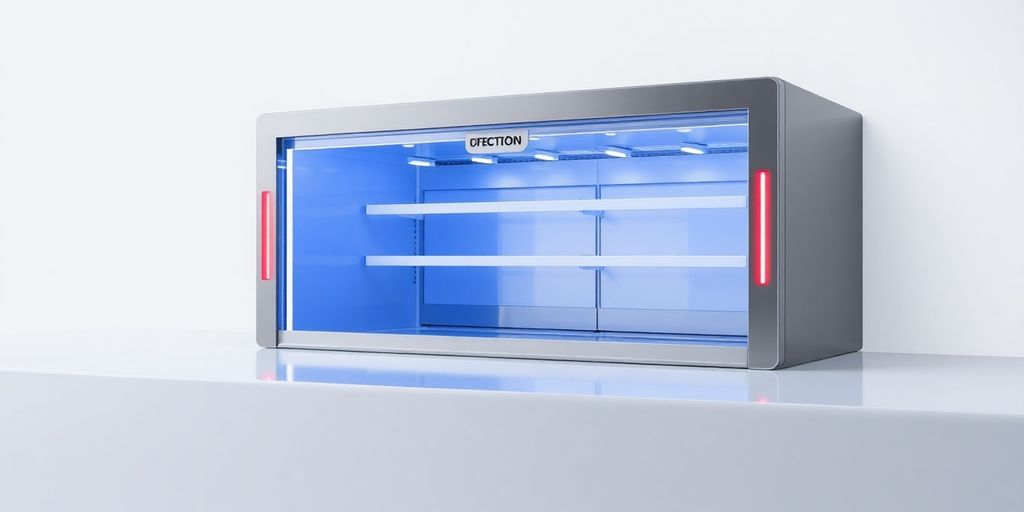
Okay, so what’s next for keeping things cold? Well, a bunch of new tech is on the horizon. We’re talking about magnetic refrigeration, which uses magnets instead of chemical refrigerants – sounds like something out of a sci-fi movie, right? Then there’s solid-state cooling, which uses, well, solids to transfer heat. These technologies could seriously shake up the industry by being more efficient and way better for the environment.
Integration with renewable energy sources
Imagine your fridge running on sunshine. That’s the idea here! Integrating refrigeration systems with renewable energy sources like solar and wind power is becoming a big deal. It’s all about cutting down on carbon emissions and making things more sustainable. Plus, it can save companies a ton of money on energy bills in the long run. It’s a win-win, really.
The role of automation and AI in refrigeration
Get ready for smart fridges on steroids. Automation and AI are set to play a huge role in the future of refrigeration. Think systems that can automatically adjust temperatures based on demand, predict maintenance needs before anything breaks down, and optimize energy use in real-time. It’s all about making refrigeration systems more efficient, reliable, and less of a headache to manage. Basically, the machines will be doing all the thinking for us.
As we look ahead, refrigeration systems are set to become smarter and more efficient. New technologies will help reduce energy use and improve cooling performance. This means better food preservation and lower costs for businesses. If you want to learn more about the latest advancements in refrigeration, visit our website today!
Wrapping Up: The Pulse of Modern Refrigeration
In conclusion, modern refrigeration systems are vital to many industries. They keep our food fresh, ensure medicines are safe, and help maintain the quality of countless products. As technology continues to advance, these systems are becoming more efficient and environmentally friendly. Understanding how they work can help us appreciate their role in our daily lives. So next time you grab a cold drink or rely on a chilled product, remember the complex systems that make it possible.
