


Understanding the importance of industrial refrigeration
The role of refrigeration in industrial processes
Industrial refrigeration isn’t just about keeping things cold—it keeps production running without glitches. When temperatures drift too high, you get off-spec products, equipment wear, and even potential shutdowns. A well-tuned refrigeration system means fewer interruptions and better overall process reliability. It really acts as the behind-the-scenes hero in many operations.
Impact on food safety and quality
When food leaves the production line, it needs to stay fresh, and that’s where refrigeration steps in. It helps maintain the temperature that prevents foods from spoiling, avoiding waste and keeping products safe for consumers. It’s like having a guard that ensures every product meets health standards from production right up to your dinner table.
Benefits for pharmaceutical manufacturing
In the world of medicine, even small temperature shifts can mess with the quality of products. Refrigeration helps hold things steady, preserving the stability of sensitive ingredients that could be rendered useless if not kept at the right temperature. This kind of control is what gives manufacturers the confidence that their products will perform as expected when they reach the people who need them most.
Why industrial cooling is essential for manufacturing efficiency
Preventing equipment overheating
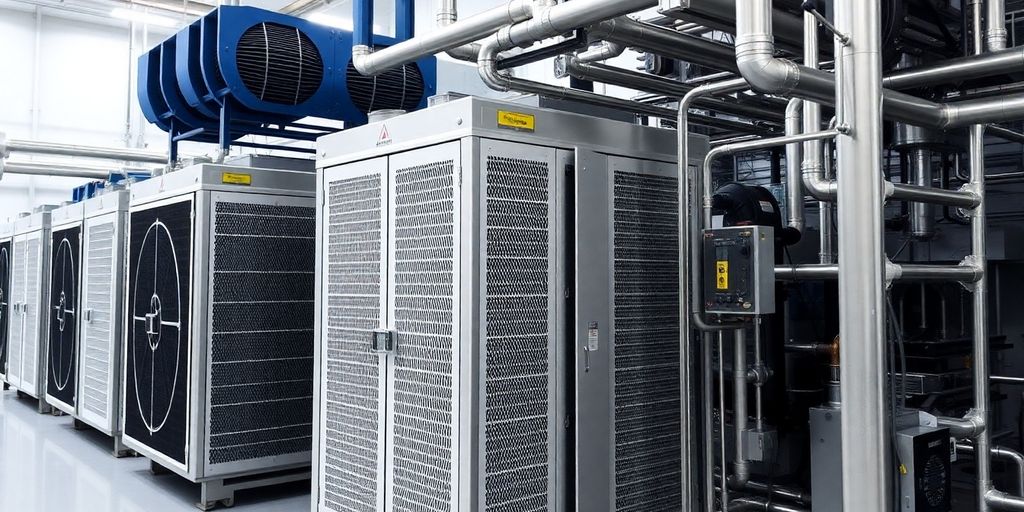
In a busy manufacturing setup, you don’t want your machines turning into a hot mess. Cooling systems act like a safety net, stopping equipment from reaching that dangerous point of overheating during long shifts. Without an efficient cooling system, machines might break down when you least expect it. Even when production is in full swing, keeping things cool avoids unexpected stops and costly fixes.
Enhancing product quality
Keeping temperatures steady during production really pays off. When everything is chilled at just the right level, the products maintain a consistent quality from start to finish. It’s like having that perfect, even heat during a long day at work, which helps to keep products stable and up to standard.
Reducing production downtime
A reliable cooling system means there are fewer unscheduled breaks. When your machines run cool, they’re less likely to need time off for repairs or adjustments, which helps maintain a smooth workflow. Fewer breakdowns mean production can continue almost non-stop, letting you focus on getting things done without the constant worry of pauses.
Innovative solutions in industrial refrigeration
Adiabatic cooling technology
Adiabatic cooling technology works by using water evaporation in a way that lessens reliance on heavy compressors. It may seem low-key, but it cuts down on energy waste and even saves water compared to older systems. This approach helps keep operations cool without complicating the setup or driving up utility bills.
Energy-efficient refrigeration systems
These systems are built with energy savings in mind, using smart compressors and fine-tuned cycles to maintain the right temperatures without overworking. The design is straightforward and practical, making sure that cooling happens reliably while costs stay low. There’s a real focus on keeping things running without unnecessary power draw.
Smart monitoring and control systems
Digital sensors and control panels are now common, letting managers watch over operations in real time. You can track system performance easily and spot little issues before they turn into big problems. With precise monitoring, every part of the operation becomes more responsive and cost-effective, cutting down on wasted energy and unexpected downtimes.
Cost-saving strategies with industrial refrigeration
Optimizing energy consumption
It might seem straightforward, but getting your energy use right can seriously trim down your bills. Running industrial refrigeration systems at peak performance means balancing the work cycle and energy use, and even small tweaks can make a big difference. When you lower your energy consumption, you end up cutting down expenses across the board. It’s all about keeping the system in check and doing regular maintenance so that nothing runs longer or harder than necessary.
Reducing waste and spoilage
You know how it is when things go off in the middle of a busy day—waste in refrigeration not only loses stock but can disrupt the whole process. By making sure your cooling setup is on point, you can dodge a lot of unnecessary waste and keep your production running smoothly. When food or products maintain the right temperature, they stay as fresh as when they started, helping your business save money that would otherwise be lost to spoilage.
Investing in advanced technologies
Sometimes, spending a bit more upfront on newer tech pays off in the long run. Upgrading your system to more modern and efficient models can bring improvements that older systems simply can’t match. New machines are built with modern control systems and are more adaptive to real-time needs, which means that over time, you see fewer breakdowns and lower overall operating costs. It’s a smart move if you’re thinking about keeping your operation lean and mean.
The future of industrial refrigeration
Trends in sustainable refrigeration
The refrigeration world is quietly shifting toward eco-friendlier methods, and it’s pretty interesting to witness. Systems are being designed with less impact on the environment, cutting down on water use and harmful chemicals. Companies are trying to go green without sacrificing the cooling power they need every day. This shift isn’t just about being kind to nature; it’s also a smart move for long-term savings.
Integration with IoT and automation
Nowadays, more and more equipment is getting a tech upgrade, with devices that can adjust and monitor themselves in real time. It’s like having a dashboard that gives you a quick peek at how everything is running, so you can tweak things on the fly. The magic of smart control systems means you’re less likely to waste energy, and that’s a win-win right there.
Regulatory impacts on refrigeration practices
Rules and regulations are gradually tightening up, which is changing how companies plan their refrigeration setups. It might seem like extra hassle at first, but these guidelines can push everyone to adopt better, more efficient practices. Operators are rethinking old old designs, making sure their chill systems meet new standards and contribute to an overall safer, cleaner working environment.
As we look ahead, the world of industrial refrigeration is changing fast. New technologies are making systems more efficient and eco-friendly. Companies are focusing on reducing energy use and cutting down on harmful emissions. This shift not only helps the planet but also saves money in the long run. If you’re interested in learning more about how these advancements can benefit your business, visit our website for more information!
Final Thoughts on Industrial Refrigeration
In conclusion, optimizing your production with industrial refrigeration is not just a smart move; it’s essential for cutting costs and improving efficiency. By investing in the right cooling systems, businesses can reduce waste, maintain product quality, and ultimately save money. Whether you’re in food processing, pharmaceuticals, or any other industry that relies on temperature control, the benefits are clear. Don’t overlook the importance of these systems in your operations. Take the time to assess your needs and make informed choices that will pay off in the long run.
