


Understanding the importance of preventive maintenance
Why regular maintenance is crucial for cooling systems
Let’s face it, cooling systems are like the unsung heroes of many industries. They quietly keep everything running smoothly behind the scenes. But just like any hero, they need a bit of care to stay at the top of their game. Regular maintenance is the key to preventing those unexpected breakdowns that can halt operations and cause headaches. When you keep up with maintenance, you’re not just fixing problems; you’re stopping them before they even start.
The impact of neglecting maintenance on system performance
Neglecting maintenance is like ignoring that weird noise your car makes. Sure, you can pretend it’s not there, but eventually, it’s going to demand your attention. Cooling systems that don’t get the care they need will lose efficiency over time. This means they have to work harder to achieve the same result, which can lead to higher energy costs and even system failures. It’s a bit like running a marathon without training—you’re not going to get far before something gives out.
How preventive maintenance extends equipment lifespan
Taking the time to perform preventive maintenance can add years to your equipment’s life. It’s like giving your cooling system a regular check-up. By catching issues early, you can avoid the wear and tear that leads to bigger problems down the line. Think of it as an investment in the future—one that pays off by keeping your systems running smoothly for longer. Plus, when your equipment lasts longer, you’re saving money on replacements and repairs. It’s a win-win situation.
Key components of industrial cooling systems
Overview of essential cooling system components
When it comes to industrial cooling systems, understanding the main parts is like knowing the characters in a movie. They each have their role, and if one fails, the whole plot can fall apart. The backbone of these systems includes compressors, condensers, evaporators, and expansion valves. Each piece works together to keep the system running smoothly, ensuring that everything stays at the right temperature.
The role of compressors and condensers
Compressors are like the heart of the cooling system. They pump refrigerant through the system, compressing it into a high-pressure gas. This process is crucial because it allows the refrigerant to release its heat when it reaches the condenser. Condensers, on the other hand, are like the system’s lungs. They dissipate the heat absorbed by the refrigerant, turning it back into a liquid state. Without these two components, the cooling cycle would grind to a halt.
Understanding evaporators and expansion valves
Evaporators and expansion valves are equally important. The evaporator is where the magic happens; it’s where the refrigerant absorbs heat from the environment, cooling the area or substance around it. The expansion valve controls the flow of refrigerant into the evaporator, ensuring that just the right amount is released to maintain the desired temperature. This balancing act is vital for efficient cooling. Without the expansion valve, the system could either freeze everything solid or not cool at all. It’s all about keeping that perfect balance, much like a tightrope walker.
Best practices for maintaining industrial cooling systems
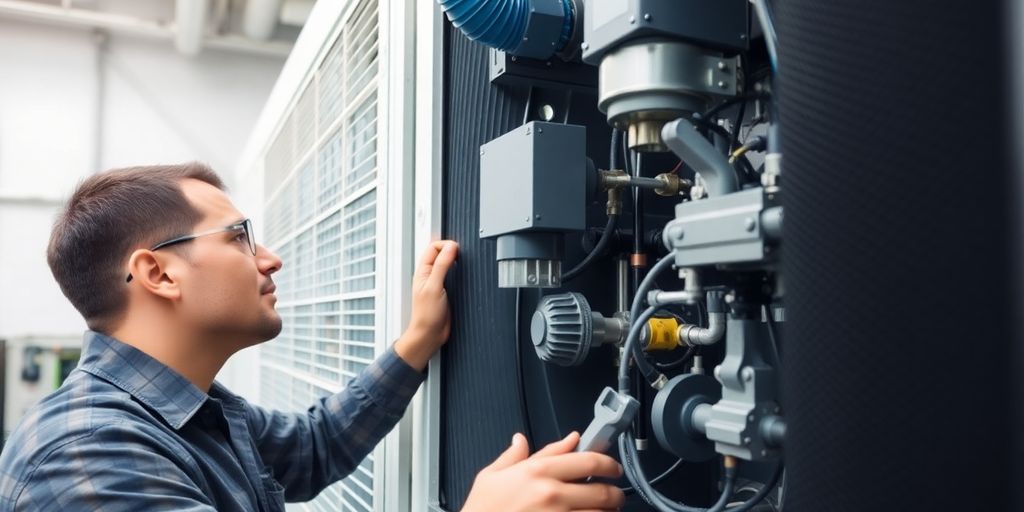
Regular inspections and cleaning protocols
Keeping industrial cooling systems in top shape is much like taking care of your car; it’s all about consistency and attention to detail. Regular inspections are your first line of defense against unexpected breakdowns. By routinely checking the system, you can spot minor issues before they snowball into costly repairs. Cleaning is equally important. Dust and debris can build up and cause the system to work harder than it needs to, leading to inefficiency and potential overheating. A clean system is an efficient system, and efficiency saves money.
Training staff for effective system management
Having a well-trained team is crucial for maintaining industrial cooling systems. You can’t just have anyone fiddling with these complex machines. Proper training ensures that your staff can operate the systems smoothly and handle minor issues without a hitch. This not only keeps the system running efficiently but also boosts the confidence of your team. When everyone knows their role and responsibilities, the whole operation runs like a well-oiled machine. Knowledge is power, and in this case, it keeps things cool.
Utilizing predictive maintenance technologies
Predictive maintenance is like having a crystal ball for your cooling systems. It uses advanced technologies to monitor the system’s performance and predict when maintenance should be performed. This proactive approach helps in avoiding unexpected failures and extends the life of the equipment. By analyzing data trends, predictive maintenance can alert you to potential problems before they become serious. This not only improves reliability but also optimizes performance, ensuring that your cooling systems are always at their best.
Innovations in cooling technology for enhanced performance
Emerging trends in industrial cooling
So, let’s chat about what’s new in the cooling world. It’s not just about keeping things from overheating anymore. Now, it’s all about smarter systems that know exactly when and how much to cool. Imagine having a smart thermostat, but for huge machines. These systems help save energy and keep everything running smoothly.
The role of automation and smart systems
Automation is everywhere these days, right? It’s even making its way into cooling systems. Picture a setup that adjusts itself without any human help. These systems can tweak the cooling levels based on the current needs, just like your air conditioner knowing when you’re not home and turning itself down to save electricity. Pretty neat, huh?
Energy-efficient solutions for modern cooling needs
Everyone’s talking about saving energy, and cooling systems are no exception. The focus is on designs that use less power but still get the job done. It’s all about doing more with less, helping the environment, and cutting down on costs. So, not only do these systems help keep things cool, but they also help keep the planet a little cooler too.
Challenges and solutions in implementing cooling systems
Addressing cost and budget constraints
Getting a cooling system up and running in a factory can be a real wallet-buster. You’ve got to think about the upfront cost of buying the equipment, then there’s the installation, and don’t forget the ongoing expenses for maintenance and repairs. Money’s always tight, and finding the funds for all this can be a real headache. It’s not just about the gear itself, but those sneaky hidden costs that pop up when you least expect them. Planning ahead and setting a realistic budget can help manage these expenses better.
Overcoming technical and compatibility issues
Now, let’s dive into the tech side of things. Making sure a new cooling system fits in with all the existing machinery isn’t always a walk in the park. Sometimes the new stuff just doesn’t mesh with the old gear, and you might have to make a few tweaks here and there. This can be a pain and if things go sideways, it can mess up the whole production line. Ensuring compatibility and having a skilled team to handle these issues can save a lot of trouble.
Ensuring environmental and regulatory compliance
Then there’s the whole deal with the environment and regulations. Cooling systems need to play nice with Mother Nature and stay within the law. Regulations can be a real maze, and keeping up with them is a job in itself. If you slip up, it could mean fines or worse. Staying on top of these rules is super important. Using eco-friendly technologies and staying informed about regulatory changes can help keep everything above board.
The future of industrial cooling systems
Integration of Green Technologies
The future of industrial cooling is all about going green. As companies aim to lower their carbon footprint, integrating eco-friendly technologies becomes a top priority. Innovations like natural refrigerants and energy-efficient systems are paving the way for sustainable cooling solutions. These advancements not only help in reducing environmental impact but also cut down on energy costs, making them a win-win for businesses and the planet.
Advancements in IoT and Smart Monitoring
The Internet of Things (IoT) is revolutionizing how cooling systems operate. Smart monitoring allows for real-time data collection and analysis, enabling systems to adjust on the fly for optimal performance. This means fewer breakdowns and more efficient energy use. By connecting devices and systems, businesses can monitor and manage their cooling operations from anywhere, ensuring everything runs smoothly and efficiently.
Predictive Maintenance and AI-Driven Solutions
Predictive maintenance is the future of keeping cooling systems in top shape. With AI-driven analytics, potential issues can be spotted before they escalate into major problems. This proactive approach not only extends the lifespan of equipment but also reduces downtime and maintenance costs. By leveraging AI, businesses can ensure their cooling systems are always running at peak efficiency, avoiding unexpected hiccups that could disrupt operations.
As we look ahead, industrial cooling systems are set to evolve significantly. These systems will become more energy-efficient and environmentally friendly, helping businesses save money and reduce their carbon footprint. It’s essential for companies to stay updated on these advancements to remain competitive. For more information on how to improve your cooling systems, visit our website today!
Conclusion
In the end, keeping your cooling systems in top shape isn’t just a good idea—it’s a must. Regular check-ups and a bit of TLC can save you from headaches down the road. Think of it like changing the oil in your car; a little effort now means fewer problems later. Plus, with tech always moving forward, upgrading your systems can give you a real edge. So, don’t wait for things to go wrong. Stay ahead with preventive maintenance and keep everything running smoothly. Your wallet and your peace of mind will thank you.
