


Overview
Improving chiller efficiency is a critical focus for industrial plants aiming to reduce operational costs and enhance sustainability. Chillers play a pivotal role in industrial cooling by removing heat from processes, machinery, and working environments. Optimizing their efficiency not only lowers energy consumption but also extends equipment life and reduces environmental impact.
In industrial settings, chillers can consume a significant portion of the total energy budget. Therefore, focusing on energy-efficient practices and technologies is essential. Advances in design, control strategies, and maintenance have made it possible to significantly improve the performance of chillers.
“Maximizing chiller efficiency translates directly into lower energy bills and a greener industrial footprint.”
This article explores key performance indicators (KPIs), operational strategies, and maintenance techniques that collectively boost chiller efficiency, ensuring reliable and cost-effective industrial cooling.
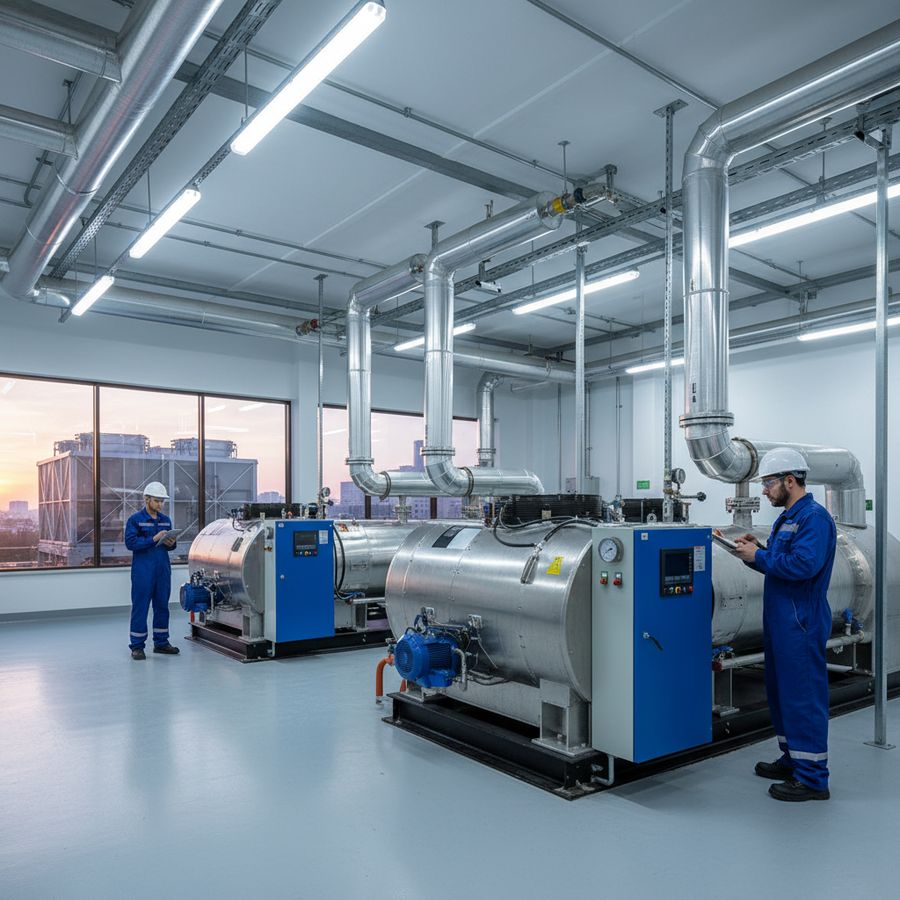
Key KPIs: COP, EER, and kW/Ton
Understanding the primary metrics that measure chiller efficiency is essential for any industrial plant. The Coefficient of Performance (COP) is a fundamental indicator representing the ratio of cooling provided to the energy consumed. A higher COP indicates better efficiency.
Similarly, the Energy Efficiency Ratio (EER) measures cooling capacity per unit of power input, often used in evaluating air conditioning and refrigeration systems. Both COP and EER reflect how effectively a chiller converts electrical power into cooling output.
kW per ton is another crucial KPI, expressing the power required to produce one ton of cooling. Lower kW/ton values denote higher energy efficiency, which is critical in managing costs and minimizing environmental impact.
“Tracking COP, EER, and kW per ton enables precise benchmarking and targeted improvements in chiller performance.”
By constantly monitoring these KPIs, plant operators can identify inefficiencies early and implement corrective measures to optimize overall system energy efficiency.
Optimizing Condenser Approach Temperatures
The condenser approach temperature—the difference between the condenser water temperature and the refrigerant temperature—is a key factor influencing chiller efficiency. Minimizing this temperature difference reduces compressor work and energy consumption.
Optimizing condenser approach temperatures involves ensuring effective heat rejection through clean heat exchanger surfaces and appropriate water flow rates. Regular monitoring and adjustment help maintain ideal thermal conditions.
When condenser approach temperatures rise due to fouling or insufficient water flow, the chiller must work harder, leading to increased electrical consumption and reduced COP.
“Maintaining low condenser approach temperatures is a simple yet powerful way to enhance chiller energy efficiency.”
Plant managers should schedule routine inspections and cleaning of condenser coils and optimize cooling tower performance to keep approach temperatures within design specifications.
Variable Speed Drives for Pumps and Fans
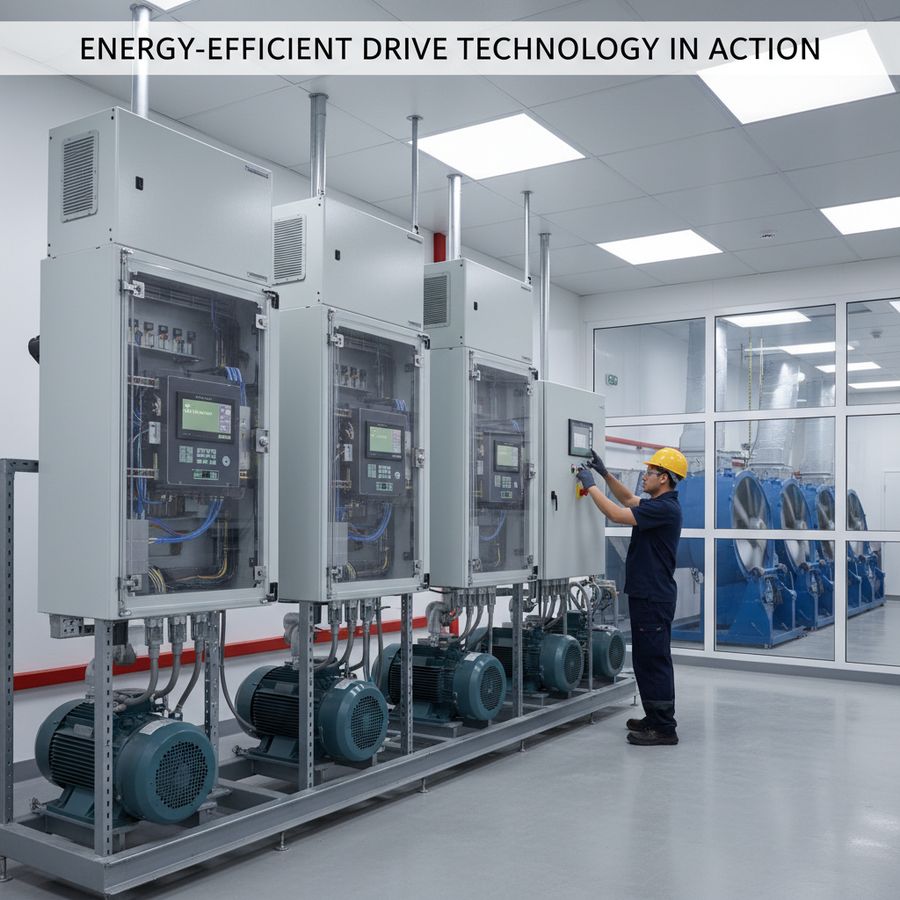
Implementing variable speed drives (VSDs) on pumps and fans is a proven strategy to improve chiller system efficiency. VSDs allow motors to operate at speeds matching the actual cooling demand rather than running at full speed continuously.
This variable operation results in significant energy savings because power consumption of pumps and fans varies cubically with speed. Reducing speed slightly can lead to disproportionately large reductions in energy use.
Additionally, VSDs enhance system control and reduce mechanical stress, extending equipment life and lowering maintenance costs.
“Variable speed drives are an effective technology for adapting industrial cooling loads dynamically while conserving energy.”
Integrating VSDs into existing chiller plants can yield immediate and sustainable improvements in energy efficiency and operational flexibility.
Heat Exchanger Cleaning and Fouling Control
Heat exchangers are critical components in chillers, facilitating heat transfer between refrigerants and process fluids. Over time, fouling from dirt, scale, and biological growth impairs heat transfer efficiency, causing energy waste.
Routine cleaning and fouling control are essential to preserve optimal heat exchanger performance. This includes mechanical cleaning, chemical treatments, and the use of filtration systems to reduce deposits.
Fouled heat exchangers increase the condenser approach temperature and compressor workload, leading to higher energy consumption.
“Effective fouling control maintains heat exchanger efficiency, directly impacting chiller system energy efficiency.”
Implementing a preventive maintenance schedule that prioritizes heat exchanger cleanliness ensures consistent cooling performance and reduces unexpected downtime.
Setpoint Strategy for Process Temperature Stability
Maintaining stable process temperatures is vital for industrial operations and can significantly influence chiller efficiency. An optimized setpoint strategy ensures the chiller operates within an ideal temperature range, avoiding unnecessary cycling or excessive cooling.
Setting process temperature setpoints too low increases energy consumption without tangible benefits, while too high setpoints risk compromising product quality. Striking the right balance improves both energy efficiency and process reliability.
Advanced control systems can dynamically adjust temperature setpoints based on real-time data, further enhancing energy savings.
“A well-designed setpoint strategy harmonizes process stability with energy-efficient chiller operation.”
Industrial plants should regularly review and calibrate temperature setpoints to optimize chiller load and minimize wasted energy.
Using Monitoring Data to Reduce Energy Use
Modern industrial plants benefit from sophisticated monitoring systems that collect detailed data on chiller operation, energy consumption, and environmental conditions. Leveraging this data enables proactive management of chiller efficiency.
Data-driven insights help identify patterns of inefficiency, equipment faults, or suboptimal operating conditions early, allowing targeted interventions.
Key parameters such as power consumption, temperature differentials, and flow rates can be tracked continuously, facilitating predictive maintenance and system optimization.
“Harnessing monitoring data empowers industrial operators to reduce energy use while maintaining performance.”
Integrating such data analytics with automated controls leads to smarter, more efficient industrial cooling solutions that align with sustainability goals.
Conclusion
Improving chiller efficiency in industrial plants is a multifaceted endeavor involving careful monitoring, strategic operational adjustments, and rigorous maintenance. By focusing on critical KPIs like COP and kW per ton, optimizing condenser conditions, and employing technologies such as variable speed drives, plants can achieve substantial energy savings.
Furthermore, regular heat exchanger cleaning, intelligent setpoint strategies, and the use of comprehensive monitoring data ensure reliable and cost-effective industrial cooling systems.
“Investing in chiller efficiency not only reduces operational costs but also supports environmental stewardship and long-term industrial sustainability.”
Industrial facilities partnering with experts in refrigeration and thermoregulation, such as Frimec, can leverage tailored solutions to meet their unique cooling needs while maximizing energy efficiency.
