


Overview
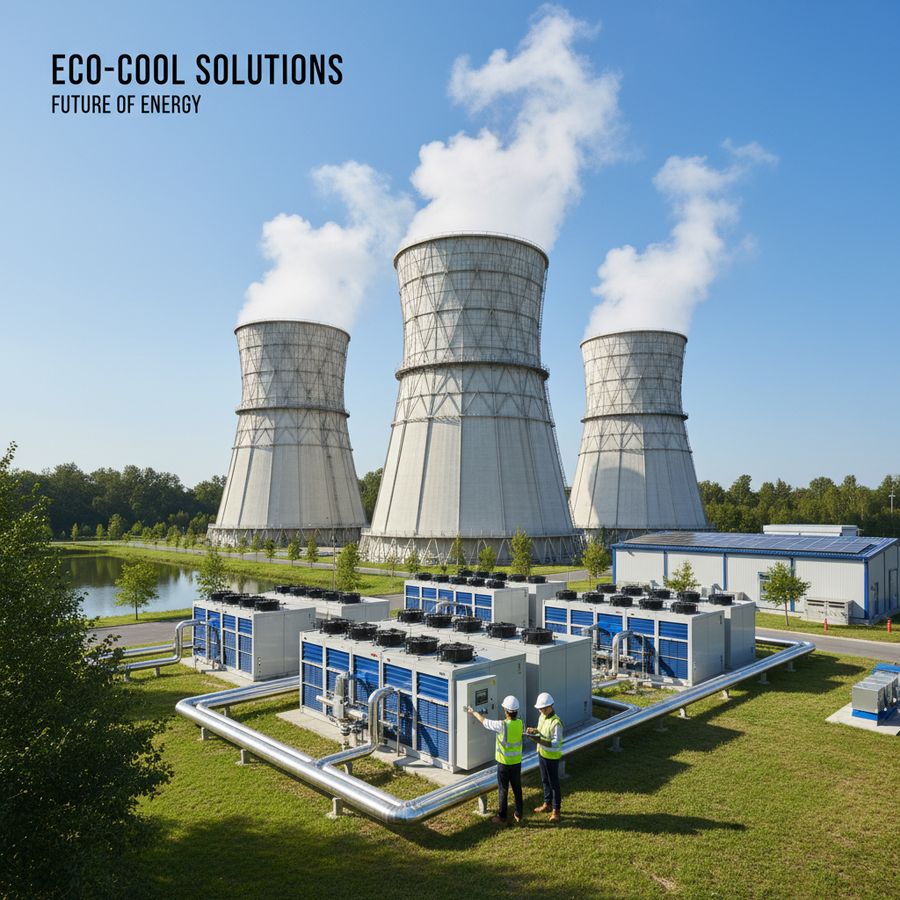
Free cooling systems have become a pivotal innovation in the field of industrial refrigeration and process cooling, offering a sustainable way to reduce energy consumption and operational costs. These systems leverage naturally cool ambient air or water sources to assist or replace the mechanical refrigeration process, thereby maximizing energy savings without compromising on performance.
In industrial settings where continuous cooling is essential, free cooling chillers provide an efficient alternative by minimizing the reliance on compressors which are the primary energy consumers in traditional chillers. This leads not only to reduced electricity bills but also lowers the carbon footprint of the cooling operations.
With rising energy prices and increasing environmental regulations, industries are actively seeking solutions that combine cost-effectiveness with eco-friendly operation. Free cooling systems answer this demand by harnessing ambient conditions, which reduces wear and tear on mechanical components and extends equipment lifespan.
“Adopting free cooling technology is a strategic move for industries aiming to optimize their cooling infrastructure while enhancing sustainability and reducing energy expenditures.”
Overall, free cooling systems represent a forward-thinking approach to industrial refrigeration, integrating advanced technology with natural cooling resources to deliver reliable and energy-efficient process cooling solutions.
How Free Cooling Works in Chillers
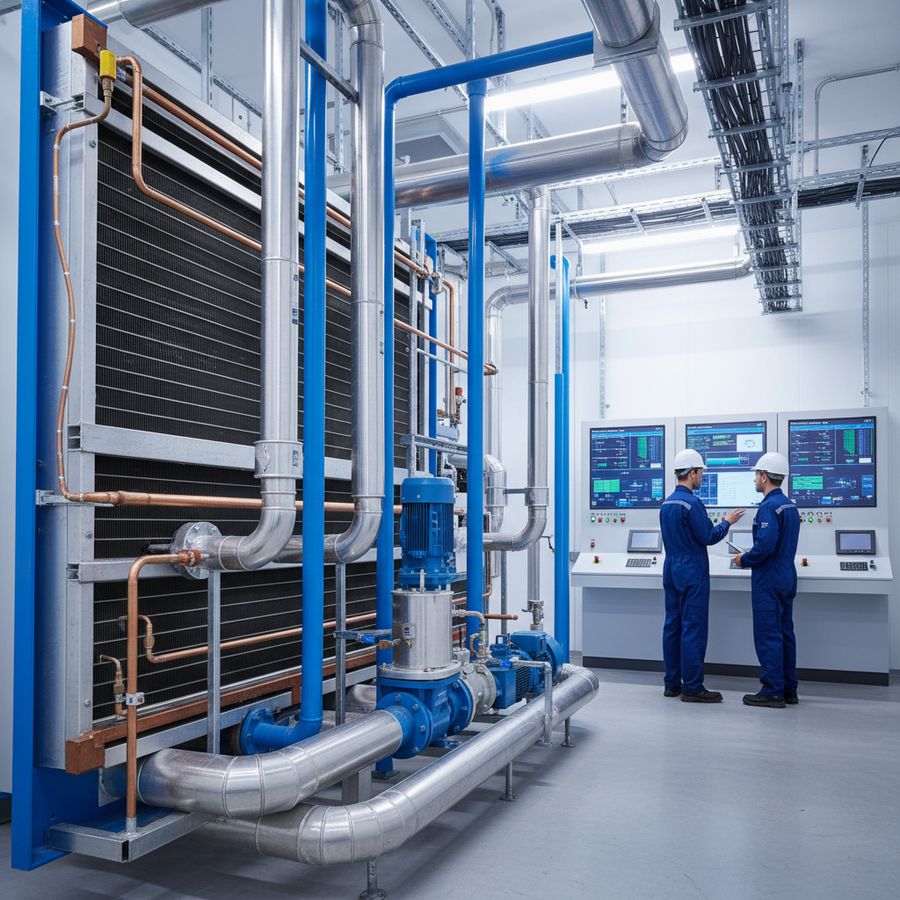
The core principle behind free cooling chillers lies in utilizing low external temperatures to perform some or all of the cooling load without engaging the compressor-driven refrigeration cycle. This is typically done by directing chilled fluid through a heat exchanger, where it is cooled by ambient air or water instead of mechanical refrigeration.
Depending on the system design, free cooling can operate in several modes:
- Direct Free Cooling: Ambient air or water cools the process fluid directly, bypassing the compressor entirely during favorable conditions.
- Integrated Free Cooling: The system switches between free cooling and mechanical cooling based on the ambient temperature, optimizing performance and energy use.
- Partial Free Cooling: Free cooling assists the mechanical system, reducing compressor workload but not fully replacing it.
This flexibility allows free cooling chillers to maintain stable process temperatures while dramatically lowering energy consumption during cooler periods. Industrial refrigeration systems equipped with free cooling can automatically engage these modes using sensors and control algorithms, ensuring seamless transitions and uninterrupted cooling.
Energy savings are realized primarily because compressors, which consume the most power in chillers, operate less frequently or at reduced capacity. Additionally, free cooling reduces the load on other components such as condensers and cooling towers, contributing to overall system efficiency and reliability.
Best Climates and Seasons for Free Cooling
Free cooling systems deliver the highest energy savings in climates where ambient temperatures are frequently low enough to meet cooling demands without mechanical intervention. Typically, these are cooler regions or locations with well-defined seasonal temperature variations.
Ideal conditions for free cooling include:
- Temperate and cold climates: Regions with long, cool autumns, winters, and springs offer extended free cooling periods.
- Seasonal transitions: Spring and fall often present the best ambient temperatures for activating free cooling systems.
- High-altitude or coastal areas: These locations can have cooler ambient air temperatures, making free cooling more viable year-round.
While free cooling is most effective during cooler months, modern systems can also leverage nighttime air or chilled water sources to extend free cooling benefits even in warmer climates. However, in consistently hot climates, free cooling may play a supplementary role rather than a primary cooling method.
Industrial refrigeration facilities in suitable climates can realize significant reductions in energy costs by integrating free cooling systems tailored to local environmental conditions. Understanding the climate profile is crucial when designing and selecting free cooling chillers to maximize operational efficiency and sustainability.
Compare Free Cooling Vs Mechanical Cooling
Free cooling systems and traditional mechanical cooling serve the same fundamental purpose but differ significantly in operation, efficiency, and environmental impact. Mechanical cooling relies on compressors and refrigerants to lower temperatures, consuming substantial energy and requiring regular maintenance.
In contrast, free cooling harnesses ambient environmental conditions to reduce or eliminate compressor use, which leads to:
- Lower energy consumption: Compressor-free operation during favorable conditions drastically cuts electricity usage.
- Reduced operational costs: Less energy use translates into significant cost savings over time.
- Environmental benefits: Decreased greenhouse gas emissions and lower refrigerant usage support sustainable practices.
However, mechanical cooling provides consistent performance regardless of external temperatures, making it indispensable during warmer periods or in climates unsuitable for free cooling. Mechanical systems also offer precise temperature control critical for sensitive industrial processes.
Free cooling chillers typically integrate with mechanical chillers to form hybrid systems, combining the strengths of both approaches. This synergy ensures stable cooling performance year-round while optimizing energy efficiency during cooler conditions.
“Incorporating free cooling into existing mechanical refrigeration systems unlocks the potential for substantial energy savings without sacrificing reliability or control.”
Choosing between free cooling and mechanical cooling depends on the facility’s climate, cooling requirements, and sustainability goals. The trend is increasingly toward hybrid solutions that intelligently balance both methods.
Control Strategies for Stable Process Temperatures
Maintaining stable process temperatures is critical in industrial refrigeration and process cooling applications, especially when integrating free cooling systems. Advanced control strategies are essential to ensure smooth transitions between free cooling and mechanical cooling modes without temperature fluctuations.
Key control approaches include:
- Temperature-based switching: Automated systems monitor ambient and process fluid temperatures to switch modes precisely when free cooling is efficient.
- Variable speed drives (VSDs): Adjust compressor and pump speeds dynamically to match cooling demand and optimize energy use.
- Hybrid control algorithms: Coordinate free cooling and mechanical cooling operations for seamless load sharing and energy optimization.
- Predictive maintenance integration: Use sensor data to anticipate system needs, prevent downtime, and maintain optimal performance.
These strategies leverage sensors, programmable logic controllers (PLCs), and sophisticated software to deliver reliable temperature control. This ensures that sensitive industrial processes remain within required parameters while maximizing energy savings.
Effective control systems also extend equipment lifespan by reducing mechanical wear and avoiding rapid cycling of compressors. This holistic approach supports operational efficiency, cost reduction, and environmental responsibility in industrial cooling operations.
Conclusion
Free cooling systems represent a revolutionary advancement in industrial refrigeration and process cooling that can significantly reduce energy costs and environmental impact. By harnessing ambient air or water temperatures, free cooling chillers minimize reliance on energy-intensive mechanical cooling processes, delivering both economic and ecological benefits.
Industries operating in suitable climates or seasons can leverage free cooling to optimize their cooling infrastructure, benefiting from lower operational expenses and improved sustainability profiles. When combined with advanced control strategies and hybrid system designs, free cooling ensures stable, reliable process temperatures essential for diverse industrial applications.
“Integrating free cooling systems is not just a choice for cost reduction but a strategic commitment to sustainable industrial refrigeration.”
As energy demands and environmental considerations continue to shape industrial priorities, free cooling technologies will play an increasingly vital role in creating efficient, future-proof cooling solutions. Partnering with experienced providers of industrial refrigeration systems can ensure tailored, innovative installations that maximize the potential of free cooling for your business.
