


Overview
Industrial cooling plays a critical role in diecasting operations, directly impacting productivity and product quality. Effective diecasting cooling systems ensure that molds and hydraulic oils are maintained at optimal temperatures, reducing scrap rates and minimizing downtime.
With over 55 years of expertise in industrial refrigeration and thermoregulation, companies like Frimec provide tailored solutions that meet the stringent demands of diecasting. These systems not only enhance process stability but also contribute to energy savings, aligning with sustainable manufacturing goals.
“Precise temperature control is essential to maintain the integrity of diecast components and ensure uninterrupted production.”
By integrating advanced cooling technologies, manufacturers can achieve consistent mold temperature control, reduce cycle times, and improve overall equipment efficiency. This overview sets the stage for exploring the key aspects of cooling in diecasting and how they affect operational success.
Why Temperature Control Matters in Diecasting
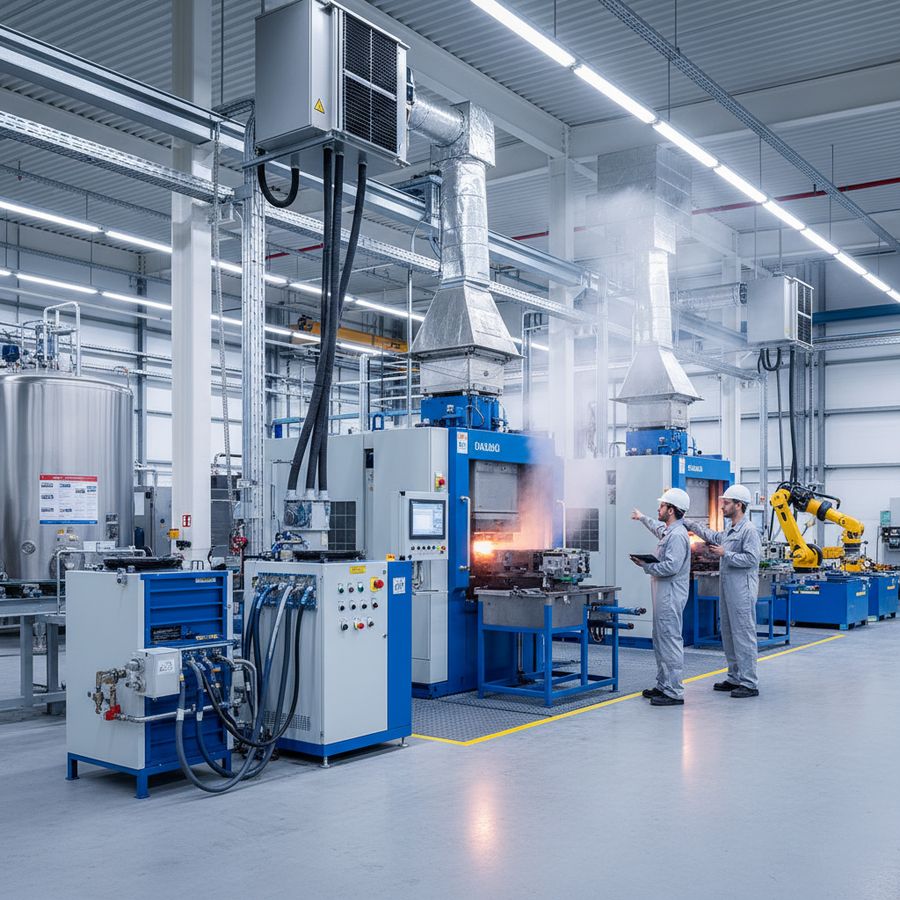
Maintaining precise mold temperature control is fundamental in diecasting because temperature directly influences metal solidification and part quality. If the mold temperature is too high or too low, it can lead to defects such as porosity, warping, or incomplete filling.
Moreover, improper temperature control increases scrap rates and leads to costly downtime for adjustments and repairs. Stable temperatures enhance consistency in product dimensions and mechanical properties, ensuring reliable and repeatable manufacturing.
“Controlling temperature is not just about product quality; it’s about optimizing the entire diecasting process to reduce waste and boost productivity.”
In addition, temperature fluctuations can stress hydraulic oil systems, causing inefficiencies and potential failures. Therefore, robust cooling solutions are essential to protect equipment and maintain seamless operation.
Mold and Hydraulic Oil Cooling System Options
There are several cooling system options designed specifically for diecasting applications. These include:
- Closed-loop water cooling systems: Provide consistent temperature regulation by circulating cooled water directly around molds and hydraulic circuits.
- Chiller units: Industrial chillers with air or water condensation efficiently maintain desired temperature levels and adapt to varying loads.
- Thermoregulation units: Offer precise temperature control using advanced sensors and automated adjustments.
Each system type offers distinct advantages depending on facility size, production volume, and energy efficiency goals. Selecting the right cooling solution ensures optimal mold temperature control and hydraulic oil cooling, which are critical to minimizing scrap and downtime.
“Tailored cooling systems maximize diecasting efficiency by aligning with specific operational requirements.”
Managing Peak Loads and Rapid Cycle Times
Diecasting processes often operate under demanding conditions with rapid cycle times and fluctuating thermal loads. Managing these peak loads effectively is crucial to prevent overheating and ensure consistent production.
Advanced cooling systems incorporate dynamic capacity control to respond quickly to thermal spikes, maintaining steady mold and oil temperatures. This adaptability reduces the risk of thermal stress and component failure during intense production cycles.
“Efficient management of peak loads supports uninterrupted diecasting, enhancing throughput and product quality.”
Moreover, integrating real-time monitoring and control technologies helps operators predict maintenance needs and avoid unexpected downtime, further optimizing cycle times and operational reliability.
Free Cooling Integration for Energy Savings
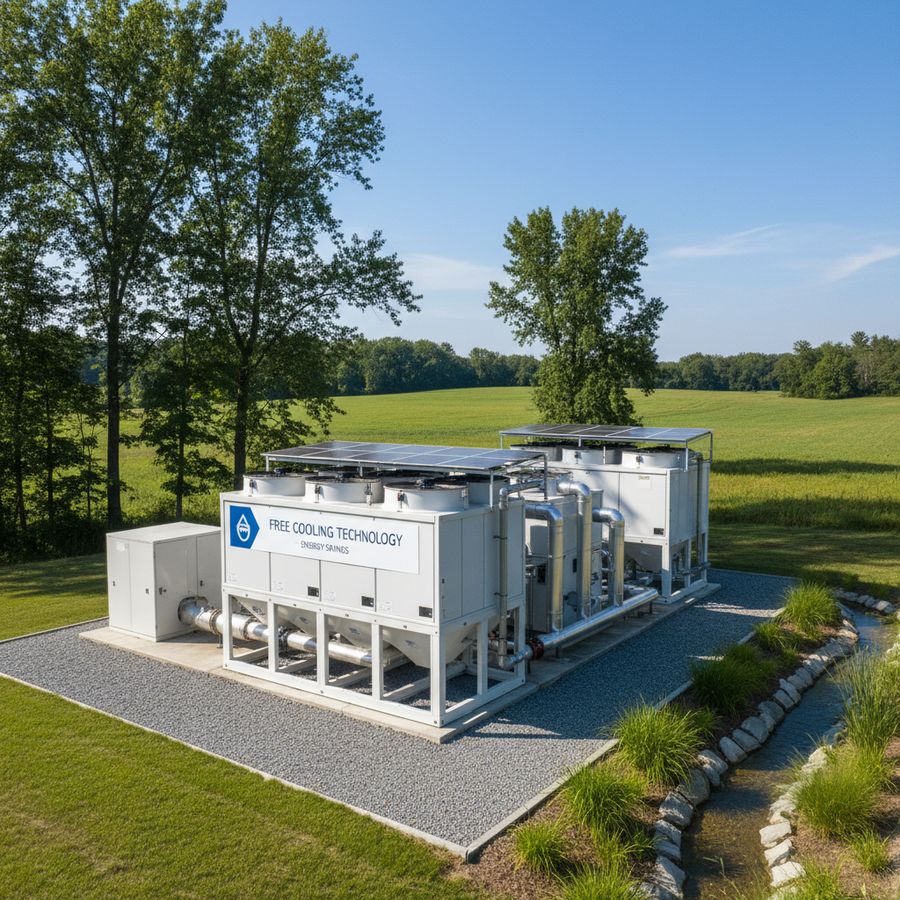
Free cooling is an innovative approach that leverages ambient low temperatures to reduce reliance on mechanical refrigeration, leading to significant energy savings. By integrating free cooling into industrial cooling systems, diecasting facilities can lower operational costs while maintaining effective mold temperature control.
This method uses outside air or chilled water when environmental conditions allow, minimizing compressor workloads and extending equipment lifespan. Especially in cooler climates or during off-peak seasons, free cooling can dramatically improve the sustainability of diecasting operations.
“Incorporating free cooling technology is a smart step towards greener, cost-effective diecasting production.”
Combining free cooling with traditional chillers provides a hybrid solution that adapts to varying demands, ensuring energy-efficient and reliable temperature control year-round.
Water Quality, Scaling, And Maintenance Planning
Maintaining proper water quality is essential to prevent scaling, corrosion, and fouling in cooling systems, which can degrade performance and increase downtime. Hard water and contaminants lead to mineral deposits that restrict flow and reduce heat transfer efficiency.
Regular monitoring and treatment of water quality, including filtration and softening, help extend system life and maintain optimal cooling capacity. Scheduled maintenance and cleaning are critical to addressing scaling issues before they impact production.
“Proactive water quality management and maintenance planning safeguard cooling system reliability and efficiency.”
Implementing a preventive maintenance schedule ensures components operate smoothly, reduces unexpected repairs, and improves overall system uptime in diecasting cooling applications.
KPIs: Cycle Time, Scrap Rate, Energy Use
Key performance indicators (KPIs) such as cycle time, scrap rate, and energy use are vital metrics to monitor the effectiveness of industrial cooling systems in diecasting. Optimized cooling leads to shorter cycle times by accelerating mold solidification without compromising quality.
Lower scrap rates reflect precise mold temperature control, reducing defects and material waste. Additionally, tracking energy consumption highlights opportunities for efficiency improvements, especially when integrating technologies like free cooling.
“Measuring and optimizing KPIs ensures that cooling systems contribute directly to operational excellence and sustainability.”
Regular KPI analysis enables continuous improvement, driving cost savings and maximizing the return on investment in cooling infrastructure.
Conclusion
Effective industrial cooling is indispensable for successful diecasting operations. From precise mold temperature control to efficient hydraulic oil cooling, the right solutions reduce scrap, minimize downtime, and improve productivity.
Integrating energy-saving technologies like free cooling and maintaining rigorous water quality and maintenance regimes further enhance system performance and sustainability. By focusing on critical KPIs, manufacturers can ensure continuous process optimization and cost-effective production.
“Investing in advanced cooling solutions is key to achieving high-quality diecasting outcomes and long-term operational success.”
Partnering with experienced providers in industrial refrigeration ensures tailored systems that meet the unique demands of diecasting, supporting manufacturing excellence for years to come.
