

Overview
Preventive maintenance is essential for ensuring the optimal performance and longevity of cooling systems. Industrial refrigeration and cooling units, like those offered by Frimec, require regular and systematic checks to avoid unexpected failures and costly downtime. Effective cooling system maintenance helps maintain energy efficiency, reduces repair costs, and guarantees consistent operation in demanding industrial environments.
By following a comprehensive preventive maintenance checklist, facility managers can detect early signs of wear, inefficiencies, and potential issues before they escalate. This proactive approach not only safeguards equipment but also contributes to environmental sustainability by minimizing energy waste and refrigerant emissions.
“Regular preventive maintenance is the key to extending the life of your cooling system while ensuring reliable and efficient operation.”
Daily and Weekly Inspections for Cooling Systems
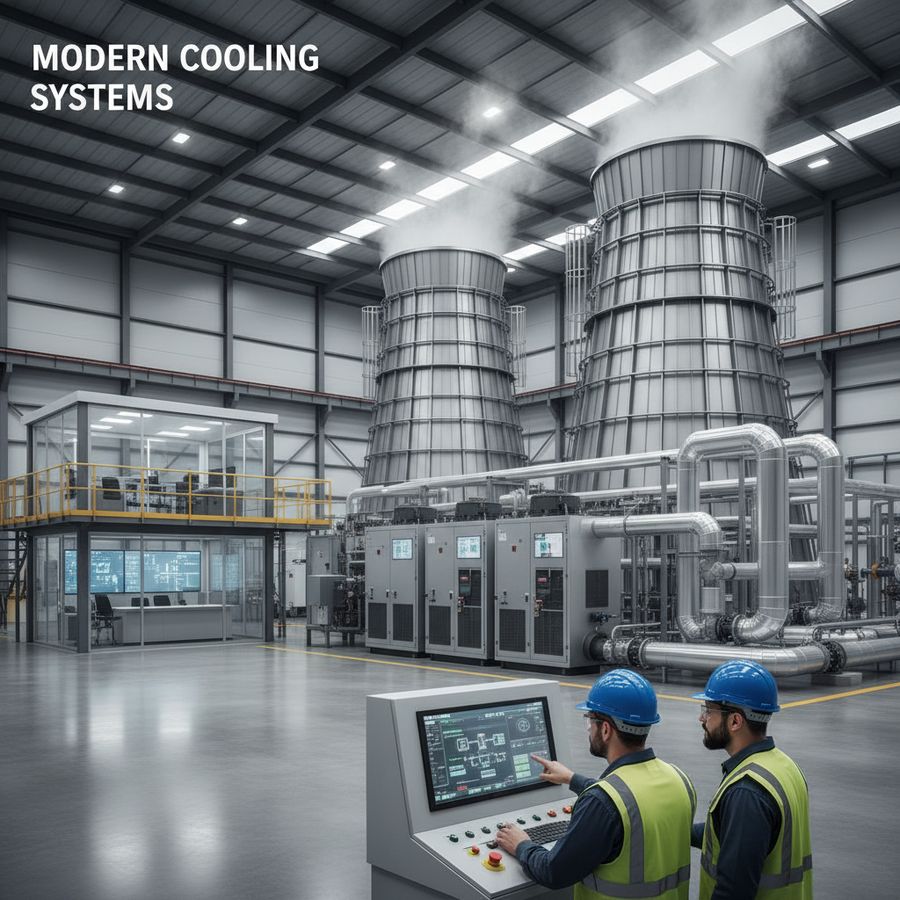
Daily and weekly inspections form the backbone of an effective preventive maintenance program. These routine checks ensure that minor issues are caught early, preventing major breakdowns. Operators should monitor system parameters such as operating temperatures, pressure levels, and unusual noises or vibrations.
Key inspection tasks include:
- Checking control panel indicators and alarms for abnormalities
- Inspecting electrical connections for signs of wear or corrosion
- Verifying coolant and water flow rates
- Monitoring system pressures and temperatures against manufacturer specifications
Maintaining detailed logs of these inspections helps track performance trends and supports informed decision-making for maintenance scheduling.
Cleaning Condenser Coils and Air Filters
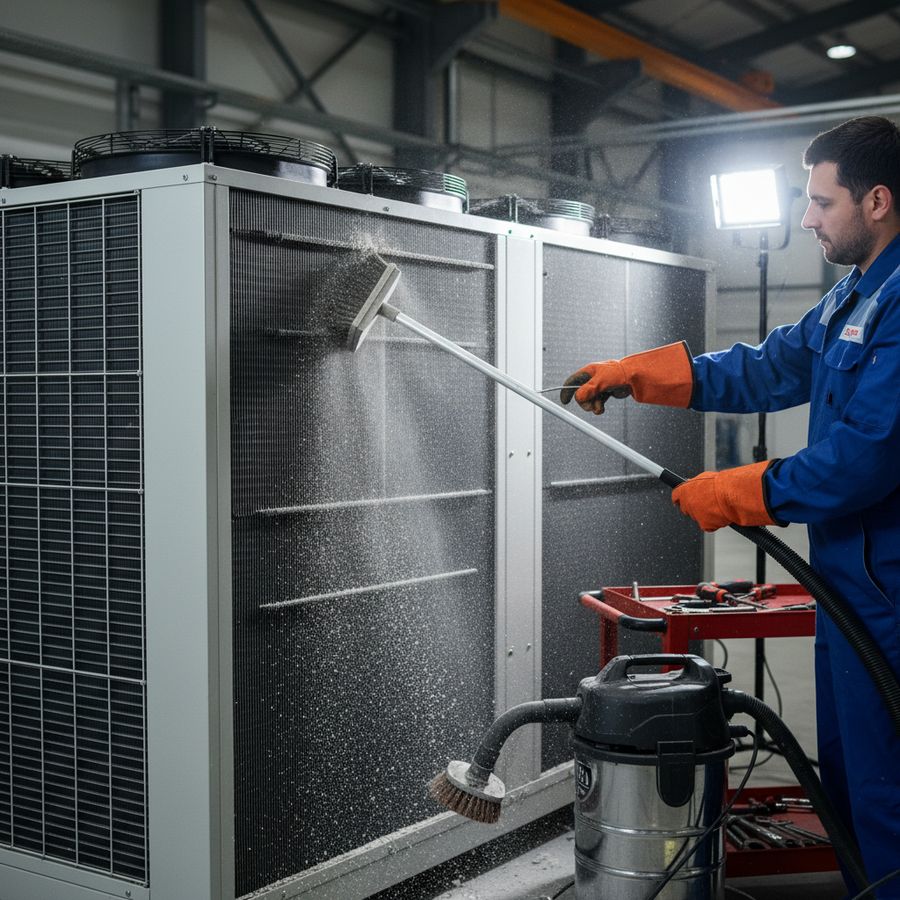
Condenser cleaning is a critical aspect of cooling system maintenance. Dirty condenser coils reduce heat transfer efficiency, causing the system to work harder and consume more energy. Regular cleaning of both condenser coils and air filters prevents clogging and maintains airflow, which is vital for system performance.
Air filters should be inspected frequently and replaced or cleaned as per operational demands. Neglecting this task can lead to increased refrigerant pressure, compressor strain, and eventual failure. Using appropriate cleaning solutions and methods ensures coils remain free of dust, debris, and scale buildup without damage.
“Clean condenser coils and air filters are fundamental to preventing energy waste and equipment overheating.”
Checking Refrigerant Charge and Leak Signs
Maintaining the correct refrigerant charge is vital for cooling systems to operate efficiently. An insufficient or excessive refrigerant charge can disrupt system balance, leading to poor cooling and higher energy consumption. Routine checks for refrigerant leaks are indispensable as leaks not only degrade performance but also pose environmental hazards.
Signs of refrigerant leak include unusual hissing sounds, frost on the evaporator coils, and increased compressor cycling. Using leak detection tools and monitoring system pressure help identify leaks early. Prompt repair and recharge with the appropriate refrigerant type ensure compliance with environmental regulations and optimal system function.
Pump, Fan, And Motor Maintenance Essentials
Pumps, fans, and motors are critical mechanical components that sustain the circulation of coolant and air within cooling systems. Regular lubrication, alignment checks, and vibration analysis help prolong their service life and prevent unexpected failures.
Maintenance essentials include inspecting belts and couplings for wear, measuring motor amperage to detect overloads, and ensuring pumps deliver the correct flow rates. Proper upkeep reduces mechanical stress and energy consumption, contributing to smoother operations and lower operational costs.
- Lubricate bearings and moving parts on schedule
- Replace worn belts and tighten loose fasteners
- Monitor motor temperature and electrical load
Water Quality, Scaling, And Corrosion Control
Water quality management is a cornerstone of effective cooling system maintenance. Poor water quality can cause scaling and corrosion, which severely impair heat exchange efficiency and damage components. Implementing a robust water treatment program prevents mineral deposits and microbial growth in cooling towers and water circuits.
Regular testing for pH levels, hardness, and contaminant concentration is necessary to tailor treatment chemicals and schedules. Corrosion inhibitors and anti-scaling agents protect metal surfaces and piping from deterioration, extending equipment life and improving system reliability.
“Controlling water quality is essential to prevent costly damage caused by scaling and corrosion in industrial cooling systems.”
When to Schedule Professional Service Visits
While routine preventive maintenance can be handled on-site, scheduling professional service visits is crucial for comprehensive system care. Experts provide detailed diagnostics, advanced cleaning, and calibration services beyond routine inspections.
Professional visits are recommended:
- At least twice a year for industrial cooling systems
- After detecting refrigerant leaks or performance anomalies
- When replacing major components or upgrading systems
Partnering with experienced service providers ensures compliance with safety standards, enhances system efficiency, and reduces the risk of costly emergency repairs.
Conclusion
Implementing a thorough preventive maintenance checklist for cooling systems is essential for sustaining operational efficiency and minimizing downtime. From daily inspections to specialized professional servicing, every maintenance step plays a vital role in protecting your investment.
By prioritizing tasks like condenser cleaning, refrigerant leak detection, and water treatment, industrial facilities can achieve greater energy savings and environmental compliance. Remember, a well-maintained cooling system supports consistent production quality and ultimately contributes to cost-effective and sustainable industrial operations.
“Consistent preventive maintenance is the smartest investment for the long-term health of your cooling systems.”
