


Service Quality Matters Long After System Commissioning
Commissioning is only the beginning of performance. In industrial refrigeration and thermoregulation, a system may start well yet lose efficiency over time if after-sales support is weak, delayed, or inconsistent. For plants that depend on stable temperatures, process continuity, and predictable energy use, service quality remains a major factor in protecting cooling system uptime long after installation day.
This is especially true for tailor-made equipment used in plastics, food processing, electroplating, and other demanding industrial applications. Components such as fans, pumps, control panels, and water circulation systems operate under real production conditions that can change with seasonality, workload, ambient air, and maintenance practices. High-quality support helps operators adapt settings, identify early warning signs, and prevent minor deviations from becoming shutdowns.
Reliable service is not an extra benefit after purchase; it is part of the system’s real operating value.
Industrial buyers should therefore evaluate a supplier not only by the machine specification, but also by the depth of service behind it. A strong partner offers troubleshooting expertise, practical operating guidance, and clear escalation paths when issues arise. That matters even more for cooling towers and refrigeration units exposed to outdoor conditions, variable demand, and continuous duty cycles.
When support is structured, responsive, and technically competent, plants gain more than repairs. They gain better process stability, stronger asset performance, and confidence that uptime targets can be sustained across the full lifecycle of the equipment.
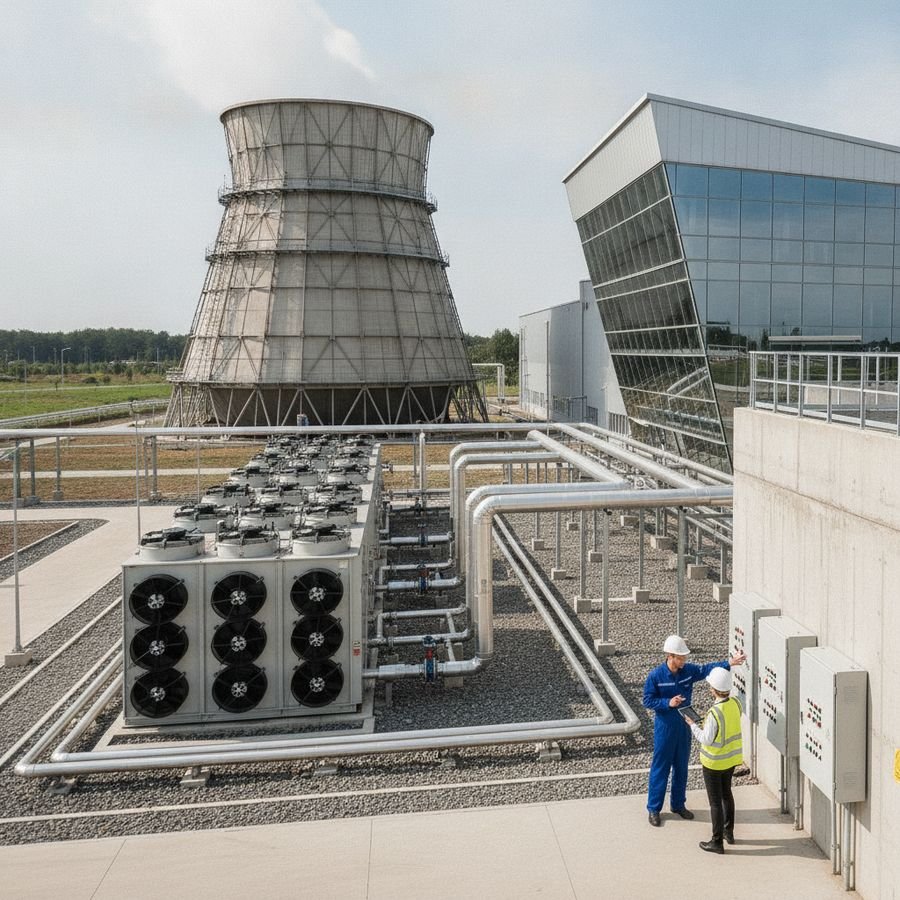
What Support Services Should Industrial Buyers Expect?
Industrial buyers should expect far more than basic warranty coverage. Effective after-sales support is a complete service framework designed to sustain output, safeguard equipment, and shorten recovery time when problems occur. In practice, the right support package combines technical expertise with operational discipline.
At a minimum, suppliers should provide structured technical assistance, commissioning follow-up, maintenance guidance, and access to qualified service personnel. For industrial refrigeration and cooling towers, buyers should also expect help with performance checks, control adjustments, seasonal operation recommendations, and troubleshooting tied to real process conditions. Equipment that includes motors, watertight outdoor components, pumps, dampers, and electrical panels benefits from service teams that understand how these parts interact in the field.
-
Fast-response diagnostics for mechanical and control issues
-
Scheduled inspection programs and preventive service visits
-
Clear documentation for operation, maintenance, and parts identification
-
Access to trained technicians familiar with the installed configuration
-
Spare parts availability and guidance on critical stock levels
-
Support for winterization, restart procedures, and capacity optimization
Buyers should also ask how service requests are handled: response times, remote support availability, and whether escalation reaches specialists quickly. These details have a direct effect on cooling system uptime.
The best support model reduces uncertainty before a failure occurs, not only after it happens.
When evaluating suppliers, service capability should be treated as part of the investment decision. A robust support structure helps protect production schedules, maintenance budgets, and long-term equipment value.
How Can Plants Speed Up Technical Assistance Requests?
Fast technical assistance starts with the quality of information provided by the plant. When a service team receives incomplete details, diagnosis slows down, unnecessary visits become more likely, and downtime can extend. Plants that standardize how they report issues can dramatically improve response speed and restore cooling system uptime more efficiently.
A good request should include the unit model, installation location, operating conditions, alarm history, recent maintenance activity, and a clear description of the symptom. It also helps to note whether the issue affects temperature stability, water circulation, fan performance, electrical controls, or startup behavior. Photos and short videos can further reduce ambiguity, especially when discussing leaks, vibration, corrosion, icing, or unusual noise.
-
Record the exact time the issue started
-
Capture alarm codes and controller readings
-
Describe what changed before the fault appeared
-
Share ambient conditions and process load if relevant
-
Confirm any temporary actions already taken by the team
Internally, plants should assign responsibility for service communication to trained personnel who understand both production impact and equipment basics. This avoids fragmented messages and speeds escalation. A simple reporting template often makes a major difference.
Clear data shortens diagnosis, and faster diagnosis is one of the most practical ways to reduce downtime exposure.
In high-demand facilities, better request handling is not just administrative discipline. It is an operational tool that supports quicker intervention, more accurate troubleshooting, and more effective after-sales support from the supplier’s service network.
Preventive Maintenance Extends Equipment Life and Availability
Preventive maintenance is one of the most effective ways to protect industrial refrigeration assets over time. Rather than waiting for faults to interrupt production, plants can inspect, clean, adjust, and replace wear components before performance deteriorates. This disciplined approach directly supports cooling system uptime, while also improving energy efficiency and reducing emergency service costs.
Cooling towers and refrigeration systems work under constant mechanical, thermal, and environmental stress. Motors, fan assemblies, pumps, control panels, water circuits, and heat exchange surfaces all require attention. Outdoor equipment also faces corrosion risk, airborne contamination, seasonal temperature swings, and moisture exposure. Without regular checks, small issues such as scaling, misalignment, blocked airflow, or declining water quality can gradually undermine capacity and reliability.
Well-planned maintenance programs typically include cleaning, inspection, calibration, lubrication where applicable, verification of electrical connections, and review of operating parameters against design expectations. The goal is not only to avoid breakdowns, but also to preserve stable process temperatures and extend useful service life.
Preventive maintenance turns maintenance from a reactive expense into a controlled strategy for reliability.
For industrial buyers, the value is clear: fewer unexpected stoppages, better forecasting of service activity, and stronger protection of capital equipment. When paired with knowledgeable after-sales support, preventive programs also help identify recurring patterns that may signal process changes or component fatigue.
Over the lifecycle of the asset, consistency matters. Plants that maintain equipment systematically are usually the ones that achieve better availability, safer operation, and more predictable production continuity.
Which Spare Parts Strategy Minimizes Downtime Exposure?
An effective spare parts strategy balances risk, lead time, and operating criticality. Keeping every possible component in stock is expensive and inefficient, but relying entirely on external supply can leave production exposed when a failure affects a key cooling asset. The smartest approach is to classify parts by how strongly they influence cooling system uptime and how quickly they can be sourced.
Critical spares are typically those that can stop operation or severely limit capacity if they fail. Depending on the installed system, this may include motors, pumps, fan-related components, sensors, control elements, electrical protection devices, and selected water circuit parts. Plants should review which items are unique to the installed configuration and which have longer procurement times. Custom or less common components deserve special attention.
-
Stock high-impact parts with long lead times
-
Differentiate between consumables, wear items, and mission-critical components
-
Align inventory with the age and duty cycle of the equipment
-
Verify part numbers and compatibility before an emergency occurs
-
Review stock levels after every major maintenance cycle
A supplier’s after-sales support team can help define this strategy by identifying vulnerable points, historical failure trends, and recommended minimum stock. This is particularly valuable for industrial systems operating continuously or seasonally at high load.
The best spare parts plan is not the biggest inventory; it is the most deliberate one.
When plants combine critical stock planning with solid technical assistance, they reduce exposure to extended outages and gain a more resilient maintenance model overall.
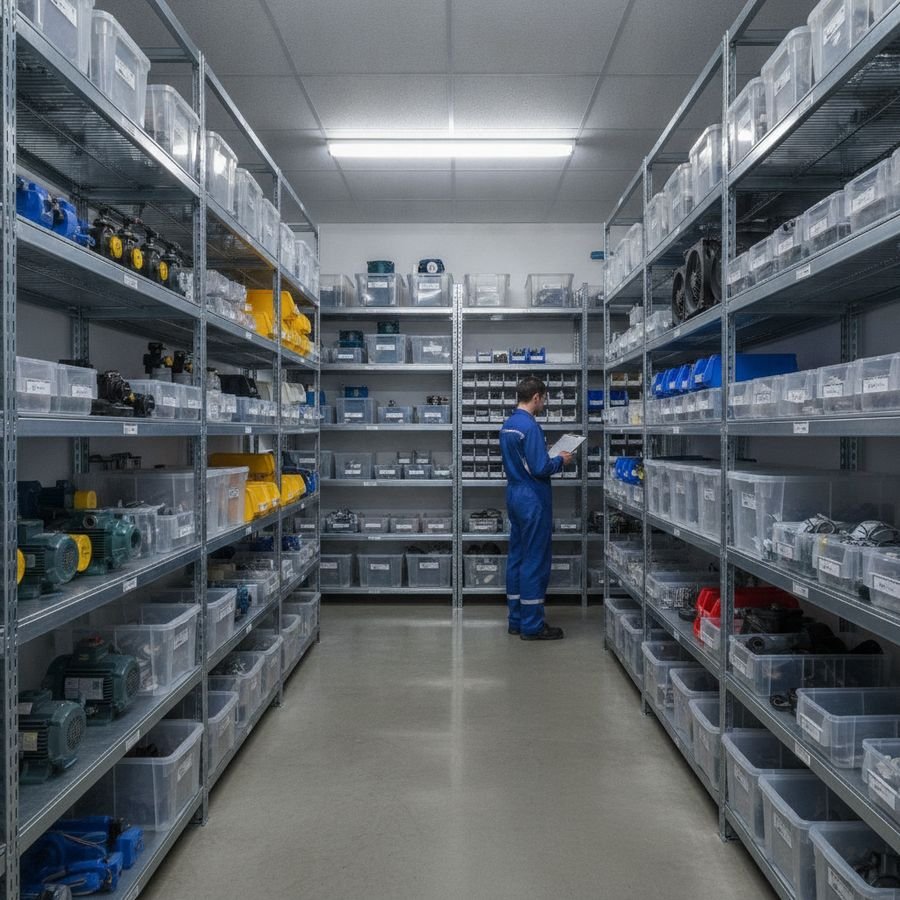
Responsive Service Strengthens Operational Continuity and Trust
In industrial environments, responsiveness is more than customer care. It is a practical reliability factor that shapes production continuity, maintenance confidence, and long-term supplier relationships. When a service partner reacts quickly, communicates clearly, and follows through with competent action, the result is stronger cooling system uptime and less disruption across the plant.
Responsive service matters at every stage: answering technical questions, supporting seasonal adjustments, coordinating onsite visits, and resolving urgent faults. It is also essential when systems are integrated into critical production lines where temperature instability can affect product quality, cycle times, or regulatory compliance. In these situations, delays are costly not only because of equipment stoppage, but because of the wider operational consequences.
Trust grows when buyers know that after-sales support remains available beyond the sale, and when support teams understand the installed system well enough to give targeted recommendations. That trust becomes especially important for tailor-made industrial refrigeration solutions, where generic advice may not be sufficient.
Operational continuity depends on equipment quality, but it is sustained by responsive, knowledgeable support.
Over time, a dependable service relationship also improves planning. Plants become more willing to schedule preventive maintenance, update their spare parts strategy, and report performance changes early because they expect useful, timely feedback. This creates a cycle of better communication and better outcomes.
For industrial buyers, the message is clear: service responsiveness not only safeguards uptime today but also fosters the partnership confidence essential for sustained performance in the years ahead. Learn more about how we can help at Frimec.
FAQs
Why is after-sales support important for cooling system uptime?
After-sales support helps plants maintain performance after commissioning by providing troubleshooting, operating guidance, escalation paths, and service coordination. Strong support reduces the risk that small faults, seasonal changes, or control issues turn into extended downtime.
What support services should industrial buyers expect from a supplier?
Industrial buyers should expect technical assistance, commissioning follow-up, preventive maintenance guidance, diagnostics, documentation, trained technicians, spare parts support, and help with seasonal operation such as winterization and restart procedures.
How can a plant speed up a technical assistance request?
A plant can speed up service response by sending complete information: unit model, location, alarm codes, controller readings, operating conditions, recent maintenance, clear symptom descriptions, and photos or videos when relevant. Assigning one trained contact person also improves communication and escalation.
How does preventive maintenance improve industrial refrigeration reliability?
Preventive maintenance improves reliability by identifying wear, scaling, airflow restrictions, electrical issues, and water-circuit problems before they cause breakdowns. It supports stable temperatures, better energy performance, and longer equipment life.
What is the best spare parts strategy for minimizing downtime?
The best strategy is to classify parts by operational criticality and lead time, then stock high-impact components that are hard to source quickly. Plants should verify compatibility, review inventory after maintenance cycles, and align stock levels with equipment age and duty cycle.
