


Understanding the importance of industrial refrigeration
The role of refrigeration in industrial processes
Okay, so industrial refrigeration is a big deal. It’s not just about keeping things cold; it’s about making sure entire processes work correctly. Think about it: many manufacturing processes generate a ton of heat. If you don’t get rid of that heat, things can go south real quick. Refrigeration systems are what keep everything running smoothly, preventing equipment from overheating and products from getting ruined. It’s a key part of keeping production lines moving.
Impact on food safety and quality
When it comes to food, refrigeration is non-negotiable. If you don’t have proper cooling, food spoils. It’s that simple. But it’s not just about preventing spoilage; it’s also about keeping food safe to eat. The right temperatures stop bacteria from growing, which means fewer foodborne illnesses. Plus, it helps maintain the quality of the food, so it tastes better and lasts longer. It’s a win-win.
Benefits for pharmaceutical manufacturing
Pharmaceuticals are super sensitive to temperature. If they get too hot or too cold, they can become ineffective or even dangerous. Industrial refrigeration makes sure these products are stored and transported at the right temperatures, keeping them safe and effective. It’s a critical part of the whole process, from making the drugs to getting them to the people who need them.
Enhancing operational efficiency with advanced systems
Energy-efficient refrigeration solutions
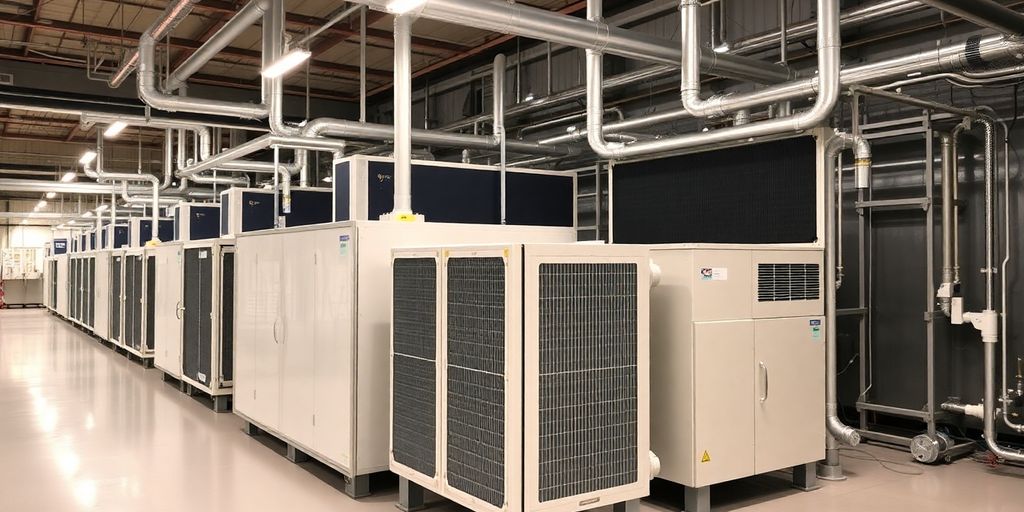
Okay, so let’s talk about making things run smoother and cheaper. One big thing is using less energy. Newer refrigeration systems are way better at this than the old ones. They use less power to get the same job done. This not only helps the planet but also cuts down on your energy bills, which is always a win.
Automation in refrigeration management
Think about setting everything up once and then letting the system do its thing. That’s what automation is all about. Instead of someone constantly checking temperatures and adjusting settings, the system does it automatically. It’s like having a robot for your refrigeration, making sure everything stays perfect without you lifting a finger. It also reduces the chance of human error, which can be a big deal.
Real-time monitoring and control
Imagine being able to check on your refrigeration system from your phone, anytime, anywhere. That’s the power of real-time monitoring. You can see exactly what’s going on and make changes if needed. This means you can catch problems early before they become big headaches. Plus, it gives you a lot more control over the whole process.
Choosing the right industrial refrigeration system
Factors to consider for selection
Okay, so you’re in the market for an industrial refrigeration system? Cool. There’s a lot to think about. First off, what’s the specific cooling need? Are we talking food storage, chemical processing, or something else entirely? The size of your operation matters too. A small setup has different needs than a huge warehouse. And don’t forget about the environment. Temperature and humidity can play a big role in how well your system performs.
Types of refrigeration systems
There are a bunch of different types of refrigeration systems out there. Compression systems are pretty common, using refrigerant to cool things down. Absorption systems are another option, often using heat as their energy source. Then you’ve got cryogenic systems for super-cold stuff. Each type has its pros and cons, so do your homework. It’s worth figuring out which one fits your specific needs best.
Cost-benefit analysis of different options
Let’s talk money. Upfront costs are important, but don’t forget about the long game. How much energy will the system use? What about maintenance costs? Sometimes, spending a bit more upfront for an energy-efficient system can save you a ton of money down the road. Think about the lifespan of the system too. A cheaper option might not last as long, meaning you’ll have to replace it sooner. It’s all about finding that sweet spot between initial investment and long-term savings.
The impact of refrigeration on supply chain management
Reducing spoilage and waste
Okay, so think about it: without proper refrigeration, a huge amount of food and other temperature-sensitive products would just go bad. This is where industrial refrigeration really shines, cutting down on spoilage big time. It’s not just about keeping things cold; it’s about making sure that products make it from the factory to the consumer in good condition. This reduction in waste can save companies a lot of money and is better for the environment, too.
Improving inventory management
With reliable refrigeration, businesses can keep more stuff on hand without worrying about it spoiling quickly. This means they can respond faster to customer demand and avoid those annoying out-of-stock situations. Plus, it gives them more flexibility in terms of when they buy and sell products. It’s all about having the right amount of product at the right time, and refrigeration is a key part of making that happen.
Streamlining logistics and distribution
Efficient refrigeration makes the whole process of getting products from point A to point B way smoother. Think refrigerated trucks, warehouses, and distribution centers – they all rely on industrial refrigeration to keep things cool. This helps to maintain product integrity during transit, which is super important for things like medicine and certain foods. Basically, it ensures that the supply chain works like a well-oiled machine, with minimal hiccups along the way.
Innovations in industrial refrigeration technology
Emerging trends in cooling solutions
Okay, so things are changing fast in the world of industrial refrigeration. It’s not just about keeping stuff cold anymore. We’re seeing a big push towards more efficient and sustainable methods. Think about it: better tech means less energy used, which is good for the planet and your wallet. One of the biggest trends is using natural refrigerants, like ammonia or CO2, instead of those old chemicals that mess with the ozone layer. Plus, there’s a lot of cool stuff happening with how systems are designed to be more effective overall.
Sustainability and eco-friendly options
Everyone’s talking about going green, and industrial refrigeration is no exception. Companies are under pressure to reduce their carbon footprint, and refrigeration can be a big part of that. So, what are the options? Well, besides using natural refrigerants, there’s also a focus on improving insulation to minimize heat gain and using waste heat recovery systems. Basically, it’s about being smart with energy and resources to make the whole process more sustainable.
Integration with IoT and smart technologies
This is where things get really interesting. Imagine your refrigeration system talking to you, telling you exactly what’s going on and when something needs attention. That’s the power of the Internet of Things (IoT). By connecting refrigeration systems to the internet, you can monitor performance in real-time, predict potential problems, and optimize energy use. It’s like having a refrigeration expert on call 24/7, but without the hefty bill. Pretty neat, huh?
Training and support for optimal system performance
Importance of staff training
Okay, so you’ve got this awesome, complex refrigeration system humming along. But here’s the thing: it’s not just about the hardware. Your staff needs to know how to actually use it. Proper training isn’t a luxury; it’s a necessity. It’s about making sure everyone understands the system’s ins and outs, from basic operation to troubleshooting common issues. Think of it as an investment in preventing costly mistakes and keeping things running smoothly.
Regular maintenance and servicing
Imagine buying a car and never changing the oil. Sounds like a recipe for disaster, right? Well, the same goes for industrial refrigeration. Regular maintenance is key to preventing breakdowns and extending the lifespan of your equipment. This means scheduling routine check-ups, replacing worn parts, and keeping everything clean and well-lubricated. It might seem like a hassle, but trust me, it’s way better than dealing with a major system failure.
Access to technical support and resources
Even with the best training and maintenance, stuff happens. That’s why having access to reliable technical support is super important. Whether it’s a phone call to a technician or access to a detailed online knowledge base, knowing you can get help when you need it can save a lot of headaches. Make sure you know what kind of support is available and how to reach out when things go sideways.
Case studies of successful refrigeration implementations
Real-world examples of productivity boosts
Let’s talk about some real wins. I’ve seen a few companies seriously boost their output just by getting their refrigeration sorted. One food processing plant, for example, was struggling with spoilage. They upgraded their system, and suddenly, they were processing way more product with way less waste. It wasn’t just about keeping things cold; it was about keeping things moving efficiently.
Lessons learned from industry leaders
What’s cool is that you can learn a lot from the big players. They’ve already made the mistakes, so you don’t have to! A common theme? Don’t skimp on the initial investment. A cheap system might save you money upfront, but it’ll cost you in the long run with repairs, downtime, and inefficiency. Industry leaders emphasize preventative maintenance and choosing systems that can scale with your business.
Quantifying the benefits of effective refrigeration
Okay, so how do you actually measure the impact? Think about it: reduced spoilage translates directly to increased revenue. Improved temperature control can mean higher product quality, which leads to better customer satisfaction and repeat business. And let’s not forget energy savings. A well-designed refrigeration system can significantly lower your operating costs, making it a win-win all around.
In this section, we explore real-life examples of how refrigeration systems have been successfully used in various industries. These case studies show how effective refrigeration can improve efficiency and save money. If you want to learn more about these successful implementations and how they can benefit your business, visit our website today!
Final Thoughts on Industrial Refrigeration
In conclusion, choosing the right industrial refrigeration system can really make a difference for your business. It’s not just about keeping things cold; it’s about improving efficiency and reducing waste. Whether you’re in food processing, pharmaceuticals, or any other industry that relies on temperature control, investing in quality refrigeration can lead to better product quality and lower operational costs. So, take the time to evaluate your current systems and consider upgrading to something more efficient. Your bottom line will thank you.
