


1. Industrial refrigeration systems
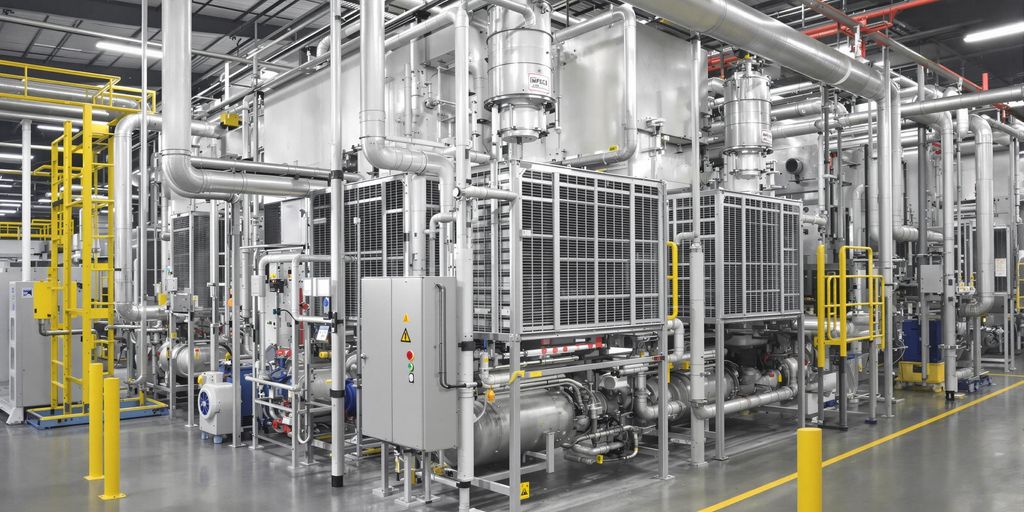
Industrial refrigeration systems are the backbone of countless industries, quietly working behind the scenes to keep everything running smoothly. Whether it’s preserving food, stabilizing chemicals, or ensuring that vaccines remain effective, these systems are everywhere. Without them, entire supply chains could collapse.
The technology has come a long way since its early days. Modern systems are not just about cooling anymore—they’re about precision, efficiency, and sustainability. For example, today’s systems often incorporate smart controls that adjust cooling levels in real time, saving energy and reducing costs. This isn’t just good for businesses; it’s also a win for the environment. Plus, advances in refrigerants and materials mean these systems are more reliable and eco-friendly than ever before.
But here’s the thing: industrial refrigeration isn’t one-size-fits-all. Every application has its own unique demands. A food processing plant needs a completely different setup than, say, a pharmaceutical facility. That’s why understanding the specific requirements of your operation is so critical. At the end of the day, the right system can make all the difference—not just in keeping things cool, but in keeping your business competitive.
2. Energy-efficient refrigeration technologies
Energy-efficient refrigeration technologies are becoming a game changer in the industrial sector. With energy costs rising and environmental concerns taking center stage, businesses are rethinking how they cool their operations. The focus is now on reducing energy consumption while maintaining performance.
One of the most promising advancements is the use of variable speed compressors. These compressors adjust their output based on the cooling demand, which means they don’t waste energy running at full capacity when it’s not needed. Similarly, heat recovery systems are gaining traction. These systems capture waste heat generated during the refrigeration process and repurpose it, often for heating water or spaces. It’s a smart way to cut down on energy use and costs.
Another innovation is the adoption of natural refrigerants like ammonia and CO2. These alternatives are not only more environmentally friendly but also highly efficient in terms of energy use. Natural refrigerants are helping industries meet stricter regulations while lowering their carbon footprint.
Automation and smart controls are also making a huge impact. By using IoT-enabled systems, companies can monitor and fine-tune their refrigeration units in real time. This level of precision ensures that systems run optimally, avoiding unnecessary energy waste. The result? Lower utility bills and a more sustainable operation.
In short, energy-efficient refrigeration is no longer just a nice-to-have; it’s becoming a necessity for industries that want to stay competitive and responsible in today’s world.
3. IoT-integrated smart monitoring systems
Industrial refrigeration is entering a new era with IoT-integrated smart monitoring systems. These setups are more than just fancy gadgets—they’re reshaping how facilities manage cooling processes. With sensors and data collection tools, these systems give you real-time insights into how your refrigeration units are performing. This means you can catch issues early, before they snowball into major problems.
The real kicker? Efficiency. IoT systems don’t just monitor; they optimize. By analyzing patterns and tweaking settings automatically, they help reduce energy waste and keep costs in check. It’s like having a 24/7 expert keeping an eye on things, but without the coffee breaks.
And let’s not overlook the environmental benefits. By running refrigeration systems more efficiently, you’re also shrinking your carbon footprint. For industries juggling tight budgets and sustainability goals, these smart systems are a game-changer. They’re not just about keeping things cold—they’re about doing it smarter.
4. Adiabatic cooling systems
Adiabatic cooling systems are a fascinating innovation in industrial refrigeration, offering a mix of efficiency and sustainability. These systems operate by using air and water in a clever way to cool things down. Picture this: air is drawn over wet pads, and as the water evaporates, it absorbs heat, lowering the air temperature before it even reaches the cooling unit. It’s like nature’s own air conditioner but scaled up for heavy-duty industrial use.
What makes adiabatic systems stand out is their ability to save resources. They use significantly less water compared to traditional cooling towers, making them a go-to for industries looking to cut down on consumption. Plus, they consume less energy since they don’t rely on constant water circulation or evaporation. This balance of resource-saving and performance makes them a big deal in today’s environmentally-conscious world.
Another perk? They’re super adaptable. Whether it’s a scorching summer day or a cooler season, adiabatic systems adjust seamlessly to maintain efficiency. This flexibility not only keeps operations running smoothly but also extends the lifespan of the equipment they’re cooling. In industries where machinery downtime can cost a fortune, having reliable cooling like this is a game-changer.
So, if you’re in the market for a cooling solution that’s both smart and sustainable, adiabatic systems are definitely worth considering.
5. Pharmaceutical manufacturing refrigeration
Pharmaceutical manufacturing relies heavily on precise refrigeration systems to maintain the integrity of sensitive products. Whether it’s vaccines, biologics, or other temperature-sensitive drugs, keeping them at the right temperature is non-negotiable. Even a slight deviation in temperature can compromise product safety and effectiveness.
The refrigeration systems used in this industry aren’t your average setups. They’re designed to meet strict regulatory standards while ensuring consistent performance. These systems often include advanced monitoring features to instantly detect any anomalies, minimizing risks. With increasing emphasis on energy efficiency, manufacturers are also adopting solutions that reduce operational costs without sacrificing reliability.
In the world of making medicines, keeping things cool is super important. Refrigeration helps to keep drugs safe and effective. If you’re curious about how we do this and want to learn more, check out our website for more details!
Wrapping It Up
Industrial refrigeration is more than just a technical necessity—it’s a cornerstone of modern industry. From keeping food fresh to ensuring medicines are safe, these systems play a role in nearly every aspect of our lives. Tackling the challenges in this field isn’t just about solving problems; it’s about building a more efficient, sustainable future. By staying informed and proactive, businesses can not only overcome these hurdles but also set themselves up for long-term success. So, whether you’re upgrading your systems or just starting to explore the options, remember: the right refrigeration solution can make all the difference.
