


Overview
Cooling towers are essential components in industrial refrigeration and temperature control systems, designed to remove heat from processes and equipment efficiently. They work by transferring unwanted heat to the atmosphere through the cooling of water, which circulates through the system. This process is critical in industries such as manufacturing, chemical processing, and power generation where temperature regulation is vital for operational efficiency and equipment longevity.
Understanding the basics of cooling towers, including their purpose and function, helps ensure optimal system performance. These towers not only improve energy efficiency but also reduce operational costs by maintaining ideal temperature conditions. With over 55 years of expertise in industrial refrigeration, Frimec offers tailored cooling solutions that emphasize reliability, environmental sustainability, and innovation.
“Proper cooling tower operation is key to maximizing industrial process efficiency and safeguarding equipment from overheating.”
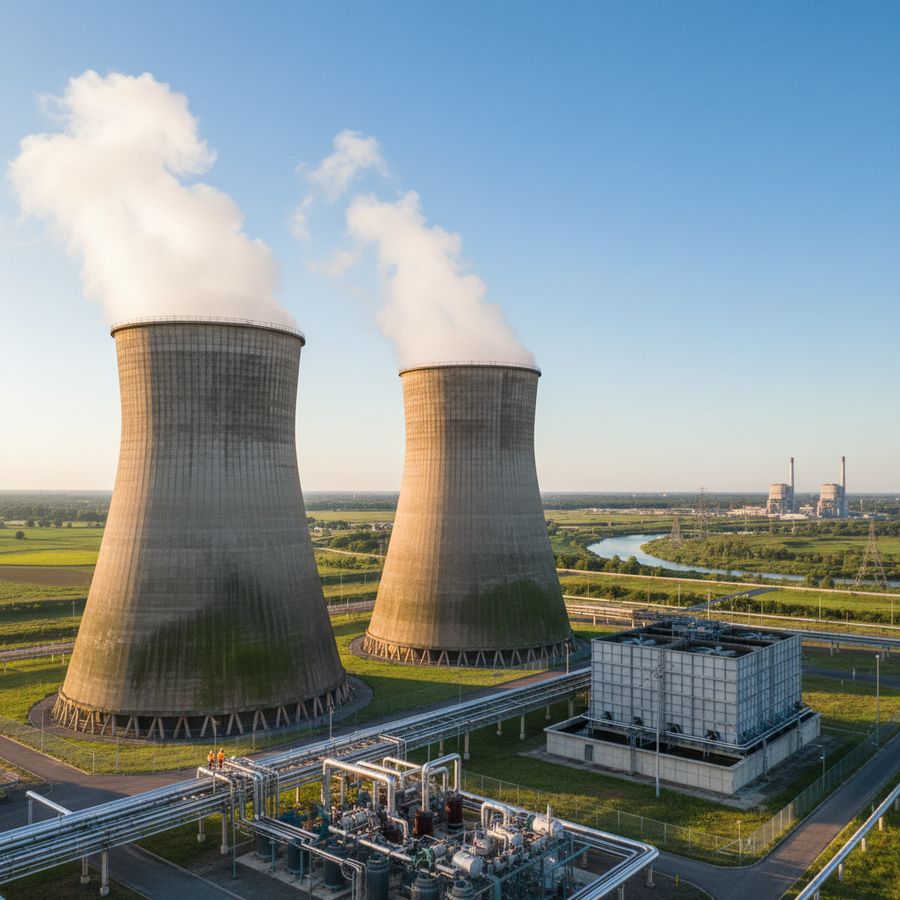
Cooling Tower Types and How They Work
There are several types of cooling towers, each designed for specific applications and environments. The most common types include open circuit (wet), closed circuit, and hybrid cooling towers. Open circuit towers expose water directly to air, allowing evaporation to dissipate heat. Closed circuit towers use a heat exchanger to keep the process water separate from the outside air, reducing contamination risks.
Hybrid cooling towers combine the benefits of both wet and dry cooling methods to optimize performance and water conservation. The mechanical operation involves fans that draw or push air over water-filled fill media, enhancing heat transfer. Effective airflow and water distribution are crucial for efficient cooling tower operation.
“Selecting the right cooling tower type depends on factors such as water quality, environmental conditions, and cooling requirements.”
How to Size a Cooling Tower Correctly
Cooling tower sizing is a critical step that ensures the system meets the thermal load demands without oversizing or undersizing, which can lead to inefficiency or premature equipment failure. Proper sizing involves calculating the heat load, flow rate, and temperature differences between the water entering and leaving the tower.
Key considerations include:
- Required cooling capacity (BTU/hr or kW)
- Make-up water availability and quality
- Ambient temperature and humidity
- Approach temperature—the difference between cooled water temperature and wet bulb temperature
Using accurate data and industry-standard formulas ensures the cooling tower operates efficiently, reducing energy consumption and maintenance costs. Consulting with experienced providers like Frimec guarantees tailored sizing solutions aligned with your industrial process needs.
Water Treatment to Prevent Scale and Corrosion
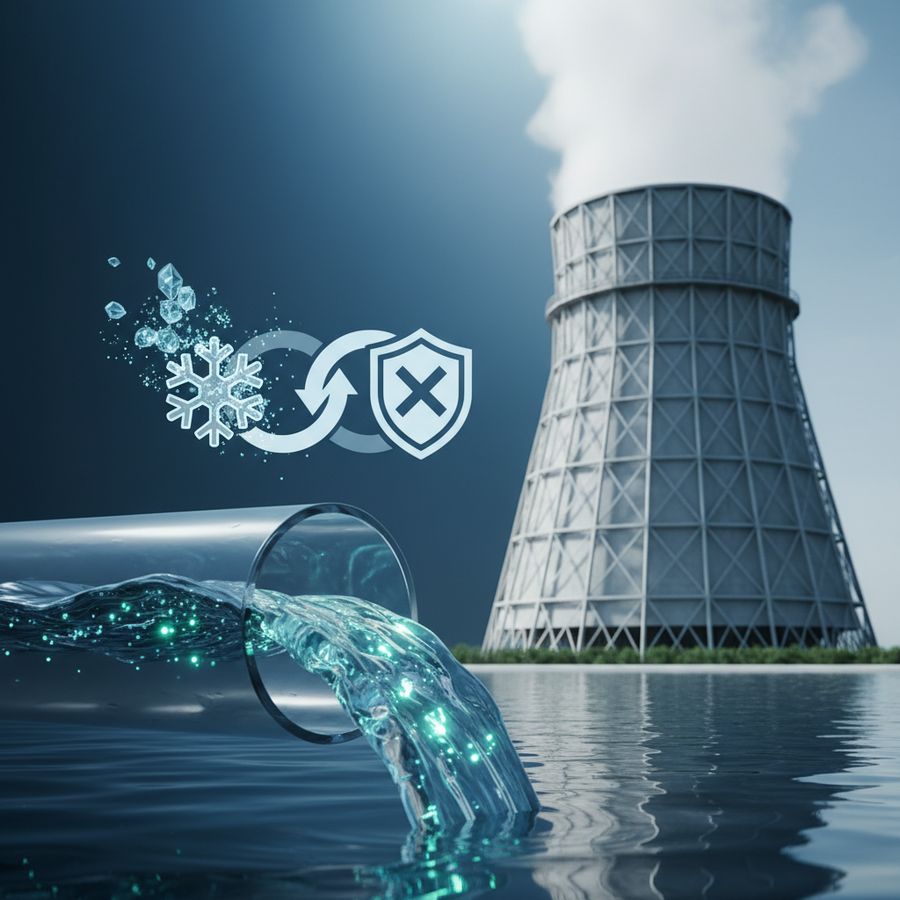
Effective water treatment is vital to maintain cooling tower performance and longevity by preventing scale buildup, corrosion, and biological growth. Untreated water can cause mineral deposits that reduce heat transfer efficiency and damage components.
Water treatment programs typically involve:
- Adding chemical inhibitors to control scale and corrosion
- Regular monitoring of water chemistry parameters such as pH, hardness, and conductivity
- Implementing filtration systems to remove suspended solids
- Using biocides to control microbial growth
“Consistent water treatment not only protects your cooling tower but also enhances system efficiency and reduces downtime.”
Partnering with specialists ensures the correct treatment approach tailored to your tower’s water source and operational conditions.
Drift, Legionella Risk, And Safety Practices
Drift refers to water droplets that escape from the cooling tower into the atmosphere, potentially carrying harmful bacteria such as Legionella pneumophila. Legionella causes Legionnaires’ disease, a serious respiratory illness, making risk management essential in cooling tower operations.
To mitigate these risks, best practices include:
- Installing drift eliminators to minimize water droplet release
- Maintaining proper water treatment and regular cleaning schedules
- Conducting risk assessments and legionella testing in compliance with health regulations
- Implementing safety protocols for personnel during maintenance
“Prioritizing safety and compliance ensures safe operation while protecting public health.”
Seasonal Maintenance Checklist for Tower Performance
Regular cooling tower maintenance is crucial to sustain optimal performance, especially during seasonal changes that can affect system efficiency. A comprehensive maintenance checklist includes:
- Inspecting and cleaning fill media to remove debris and scale
- Checking fan operation and motor condition
- Testing water quality and adjusting chemical treatment as needed
- Examining drift eliminators and nozzles for blockages or damage
- Lubricating bearings and mechanical parts
Performing these tasks before peak operating seasons helps prevent unexpected failures and prolongs equipment life. Engaging professional services ensures thorough inspections and expert repairs when necessary.
Pairing Cooling Towers with Water-Cooled Chillers
Integrating cooling towers with water-cooled chillers offers an energy-efficient solution for industrial temperature control. Cooling towers dissipate heat absorbed by chillers, enabling the system to maintain desired process temperatures effectively.
This pairing provides several benefits:
- Improved energy efficiency compared to air-cooled chillers
- Reduced operational costs due to better heat rejection
- Enhanced system reliability and lifespan
Proper coordination between the cooling tower and chiller capacities is essential to maximize performance. Expert system design and maintenance by companies like Frimec ensure seamless integration and operation.
Conclusion
Understanding the fundamentals of cooling towers, from types and sizing to maintenance and safety, is key to optimizing industrial refrigeration systems. Proper water treatment and risk management safeguard both equipment and personnel, while seasonal maintenance preserves long-term efficiency.
Pairing cooling towers with water-cooled chillers further enhances energy savings and system reliability. With decades of experience and innovative solutions, Frimec stands as a trusted partner for customized industrial cooling and temperature control needs worldwide.
“Investing in quality cooling tower solutions and maintenance is investing in your industrial process’s future success.”
