


Overview
Industrial refrigeration is a critical component in many manufacturing and production sectors, ensuring optimal temperature control for processes and storage. Over the past decades, advancements in refrigeration technology have not only enhanced operational efficiency but also contributed significantly to environmental sustainability. The environmental benefits of modern industrial refrigeration solutions have become a key consideration for businesses aiming to reduce their ecological footprint while maintaining high productivity.
Modern industrial refrigeration systems are designed to optimize energy consumption, minimize harmful emissions, and utilize eco-conscious refrigerants. These improvements align with global efforts to combat climate change and promote sustainable industrial practices. Companies like Frimec have pioneered innovative, tailor-made refrigeration and temperature control solutions that combine reliability with eco-friendly technology, supporting industries across Europe and beyond.
Industrial refrigeration today is not just about cooling; it’s about integrating sustainable practices that reduce environmental impact. From energy-efficient chillers to systems employing next-generation refrigerants, the sector is evolving rapidly. This evolution enhances carbon footprint reduction, complies with stringent environmental regulations, and supports corporate social responsibility goals.
Understanding these advancements and their benefits is essential for industries seeking to modernize their refrigeration infrastructure responsibly. This article delves into the latest eco-friendly refrigeration technologies, strategies to reduce carbon emissions, and compliance with environmental standards that underscore the importance of sustainable industrial refrigeration.
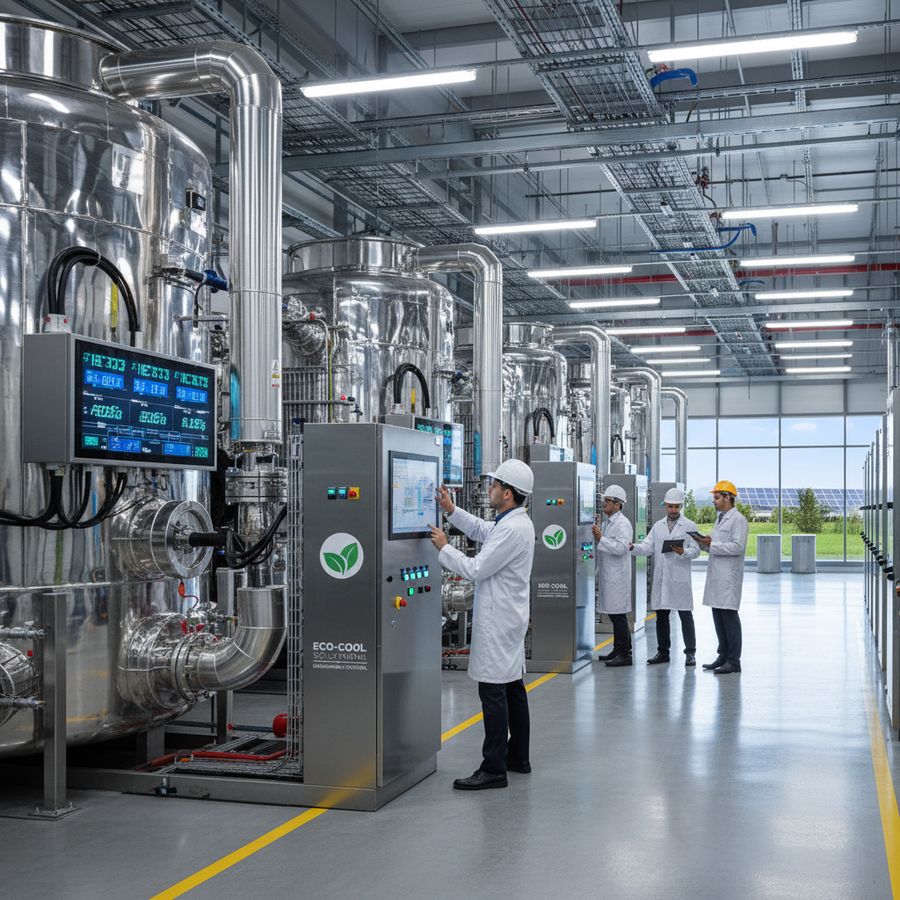
Eco-Friendly Refrigeration Technologies
In response to growing environmental concerns, industrial refrigeration has embraced eco-friendly technologies that significantly reduce ecological impact while maintaining high performance. These technologies focus on improving energy efficiency, utilizing sustainable refrigerants, and incorporating innovative cooling methods that minimize waste and emissions.
One of the most impactful advancements is the development of refrigeration systems that use natural refrigerants such as ammonia (NH3), carbon dioxide (CO2), and hydrocarbons. These refrigerants have a much lower Global Warming Potential (GWP) compared to traditional synthetic refrigerants, making them a preferred choice for sustainable refrigeration systems.
Additionally, modern chillers and cooling units incorporate features such as variable speed drives, advanced heat exchangers, and intelligent controls. These components optimize energy use by adapting refrigeration capacity to actual demand, thus avoiding unnecessary power consumption. Free cooling techniques, which utilize ambient air or water sources to dissipate heat, further reduce the reliance on mechanical cooling, saving energy and cutting emissions.
“The integration of natural refrigerants and energy-saving technologies in industrial refrigeration systems marks a significant step forward in achieving sustainable production environments.”
Furthermore, modular refrigeration units allow for scalable and more efficient operations, reducing energy waste during low-demand periods. Innovations such as thermoelectric cooling and magnetic refrigeration are also emerging as promising eco-friendly alternatives, though still in developmental stages for industrial applications.
By investing in these eco-friendly refrigeration technologies, industries can achieve substantial energy savings, reduce greenhouse gas emissions, and comply with evolving environmental regulations, all while maintaining optimal temperature control essential for their processes.
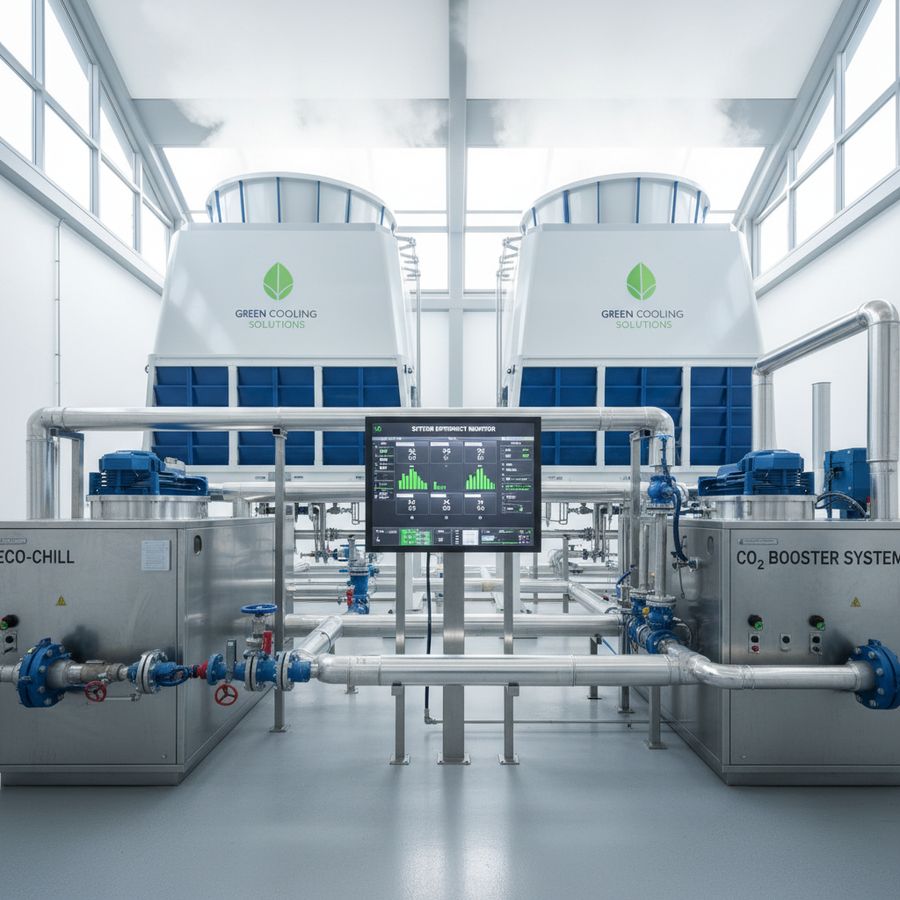
Reducing Carbon Footprint
The industrial sector is a significant contributor to global carbon emissions, and refrigeration systems are a notable source due to their energy demands and refrigerant use. Implementing modern refrigeration solutions focused on carbon footprint reduction is imperative for industries committed to sustainability and environmental stewardship.
Energy efficiency is the cornerstone of lowering carbon footprints in refrigeration. Systems designed to consume less electricity directly reduce the emission of CO2 from power generation, especially when the energy supply relies on fossil fuels. Using high-efficiency compressors, optimized heat exchangers, and advanced control algorithms enables refrigeration equipment to operate at peak performance with minimal energy waste.
Another vital strategy is selecting refrigerants with low or zero Global Warming Potential (GWP). Traditional refrigerants like HCFCs and HFCs have high GWP and contribute significantly to greenhouse gas emissions if leaked. Transitioning to natural refrigerants or newer synthetic options that comply with environmental standards helps limit the direct emissions from refrigerant leakage.
Leak detection systems and regular maintenance programs are essential to prevent refrigerant loss, further aiding carbon footprint mitigation. Additionally, integrating renewable energy sources such as solar or wind power to supply refrigeration systems can dramatically cut emissions associated with electricity consumption.
-
Implementing energy-efficient components and system designs
-
Utilizing low-GWP or natural refrigerants
-
Conducting proactive maintenance and leak prevention
-
Incorporating renewable energy sources
“Reducing the carbon footprint of industrial refrigeration is not only an environmental obligation but also translates into operational cost savings and improved corporate reputation.”
Overall, the adoption of carbon-conscious refrigeration technologies and practices empowers industries to significantly reduce their environmental impact while enhancing system reliability and cost-effectiveness.
Compliance with Environmental Standards
As environmental regulations become increasingly stringent worldwide, compliance with relevant standards is a critical factor driving the adoption of modern industrial refrigeration solutions. Regulatory frameworks such as the Kigali Amendment to the Montreal Protocol, the European F-Gas Regulation, and various regional environmental laws set limits on refrigerant types, emissions, and energy efficiency.
Industrial refrigeration systems must align with these standards to avoid penalties, support sustainability goals, and ensure market competitiveness. This compliance involves the careful selection of refrigerants with low ozone depletion potential (ODP) and low global warming potential (GWP), as well as meeting efficiency benchmarks that reduce energy consumption.
Manufacturers and operators are increasingly required to document refrigerant handling, maintain records of leak inspections, and implement best practices for system installation, operation, and decommissioning. These measures promote responsible refrigerant management and minimize environmental harm.
Moreover, certification programs and eco-labels for refrigeration equipment provide additional assurance of compliance and environmental performance. Companies that integrate certified equipment demonstrate their commitment to sustainability, which can be a competitive advantage in sectors focused on green procurement.
“Adhering to environmental standards ensures that industrial refrigeration solutions contribute positively to global climate goals while safeguarding business continuity.”
Compliance also stimulates innovation, prompting manufacturers to develop advanced refrigeration technologies that meet or exceed regulatory requirements. This dynamic fosters a continuous improvement cycle that benefits both the environment and industry stakeholders.
Innovations in Refrigerant Use
Innovative advances in refrigerant technology are at the forefront of enhancing the environmental benefits of industrial refrigeration. The quest for safer, greener refrigerants has accelerated the transition from high-GWP fluorinated gases to more sustainable alternatives.
Among the most significant innovations is the increased adoption of natural refrigerants like ammonia (NH3), carbon dioxide (CO2), and hydrocarbons such as propane (R-290). These substances offer excellent thermodynamic properties and minimal environmental impact, characterized by zero ozone depletion potential and negligible global warming potential.
Ammonia, for example, is widely used in large-scale industrial refrigeration due to its superior energy efficiency and environmental profile. CO2 systems, particularly in cascade configurations, provide safe and effective cooling solutions with a closed-loop design that minimizes emissions.
Additionally, research into synthetic refrigerants with ultra-low GWP values is yielding new compounds that comply with environmental regulations while offering operational stability and safety. These next-generation refrigerants are designed to replace legacy HFCs and HCFCs effectively.
-
Natural refrigerants: ammonia, carbon dioxide, hydrocarbons
-
Low-GWP synthetic refrigerants under development
-
Hybrid systems combining multiple refrigerants for efficiency
-
Advanced leak detection and containment technologies
“Innovations in refrigerant use are pivotal to achieving sustainable industrial refrigeration with reduced environmental risks and enhanced efficiency.”
These advancements empower industries to select refrigerants that balance environmental responsibility with performance, safety, and cost, fostering a greener industrial refrigeration landscape.
Case Studies of Eco Solutions
Real-world examples demonstrate the tangible environmental benefits of modern industrial refrigeration solutions. Companies that have implemented eco-friendly refrigeration technologies report significant improvements in energy efficiency, reduced emissions, and enhanced operational reliability.
For instance, large manufacturing facilities adopting ammonia-based refrigeration units have achieved up to 30% energy savings compared to traditional systems. These solutions not only reduce greenhouse gas emissions but also lower operational costs and improve cooling performance.
Another example involves the use of CO2 cascade refrigeration systems in the food and beverage industry, where natural refrigerants have replaced high-GWP synthetic gases. This transition has led to a substantial decrease in the carbon footprint of cold storage operations.
Free cooling systems integrated into industrial chillers have enabled companies to leverage ambient air temperatures for heat rejection, significantly cutting down electricity use during cooler months. Such systems exemplify how intelligent design and environmental consciousness can coexist.
“Case studies highlight that environmentally sound refrigeration solutions are not theoretical ideals but practical, high-impact investments for modern industries.”
These success stories underscore the importance of partnering with experienced providers who offer customized, environmentally compliant refrigeration systems tailored to specific industrial needs. Frimec’s extensive portfolio of projects worldwide exemplifies excellence in blending innovation with sustainability.
Conclusion
The environmental benefits of modern industrial refrigeration solutions are extensive and significant. By adopting eco-friendly technologies, reducing carbon footprints, meeting environmental standards, and employing innovative refrigerants, industries can greatly minimize their ecological impact while boosting operational efficiency.
The ongoing evolution of industrial refrigeration highlights a commitment to sustainability without sacrificing performance. Through customized solutions, cutting-edge technology, and compliance with regulations, companies can satisfy the increasing demand for green practices and contribute to global climate goals.
Investing in modern, environmentally responsible refrigeration systems is not just a strategic business choice but an essential step toward a sustainable future. As the industrial sector continues to evolve, integrating these technologies will be crucial for shaping a cleaner and more efficient industrial landscape. To learn more about these solutions, visit Frimec.
“Sustainable industrial refrigeration is a vital cornerstone for industries striving to balance productivity with environmental responsibility.”
