


Advancements in adiabatic cooling systems
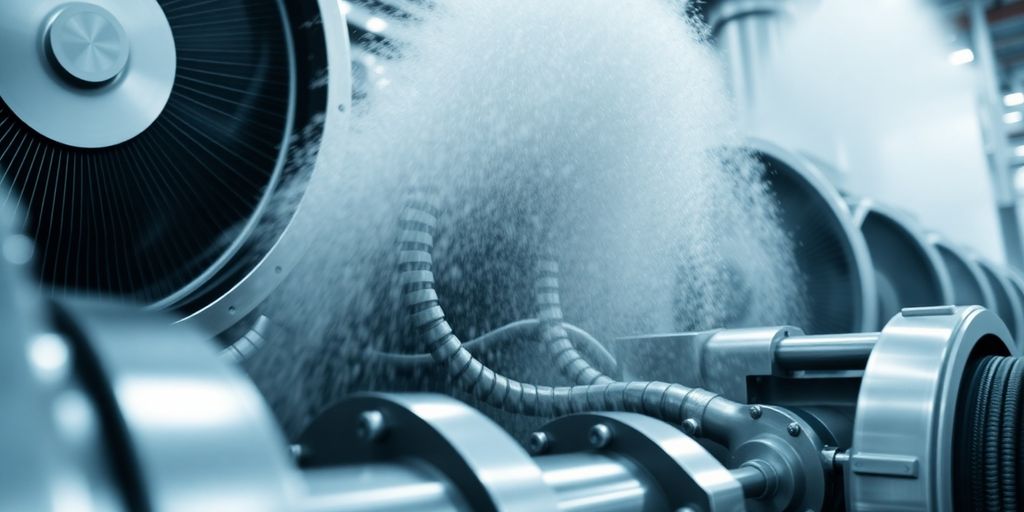
Adiabatic cooling systems are really shaking things up in industrial temperature control. These systems work by using water evaporation to cool the air before it passes over the condenser coils. This process is pretty neat because it means the system doesn’t have to work as hard, especially when the outside air is already warm.
Optimizing water usage with adiabatic chillers
One of the biggest wins with adiabatic chillers is how much water they save compared to older methods. Think about it, traditional cooling towers can use a ton of water. Adiabatic systems, on the other hand, can cut that water use way down, sometimes by as much as 90%. This is a huge deal for factories, not just for saving money but also for being more responsible with resources. It’s all about getting the cooling you need without the massive water footprint.
Expert selection criteria for adiabatic cooling
When you’re picking out an adiabatic cooling system, it’s not just a one-size-fits-all situation. You’ve got to look at a few things. What’s the climate like where the system will be installed? How much cooling capacity do you actually need for your specific industrial process? And what about the local water availability and cost? Talking to someone who really knows their stuff can help you figure out the best setup. They can guide you on things like the type of adiabatic system, the size, and any special features that will make it work best for your plant. It’s about making a smart choice that pays off in the long run.
Innovations in industrial refrigeration technology
The world of industrial refrigeration is always moving forward, and 2025 is no exception. We’re seeing some really interesting developments that are changing how businesses keep things cool.
Next-generation refrigeration solutions
Think about systems that are not only powerful but also smarter. Manufacturers are putting a lot of effort into creating refrigeration units that use less energy and have a smaller environmental footprint. This often involves new types of refrigerants that are more eco-friendly, along with improved compressor technologies that can adjust their output more precisely to match the cooling load. It’s all about getting the job done efficiently without wasting resources. These advancements mean lower operating costs and a more sustainable approach to industrial cooling.
Enhancing efficiency in industrial cooling
Beyond just the core technology, there’s a big push to make the entire cooling process more efficient. This includes better insulation for cold storage areas, smarter control systems that optimize how and when cooling is applied, and even waste heat recovery systems that can capture heat generated by the refrigeration process and put it to good use elsewhere in the facility. It’s a holistic view of cooling, looking at every part of the system to squeeze out more performance and reduce waste. The goal is to keep products at the right temperature without breaking the bank or the planet.
Emerging trends in industrial thermoregulation
Smart temperature control for manufacturing
We’re seeing a big shift towards smarter ways to manage temperature in factories. Think about systems that can learn and adjust on their own, rather than just following a set schedule. These systems use sensors and data to figure out the best temperature for different processes, sometimes even predicting what’s needed before a change happens. This kind of intelligent control means less wasted energy and more consistent results. It’s all about making the cooling and heating systems work more efficiently, adapting to real-time conditions instead of just guessing. It’s a move away from one-size-fits-all to something much more tailored.
Sustainable thermoregulation strategies
There’s a growing focus on being kinder to the planet, and that definitely includes how we handle industrial temperatures. Companies are looking for ways to cool and heat without using so much power or water. This means exploring things like using natural refrigerants that don’t harm the environment, or designing systems that can reuse waste heat. The goal is to reduce the overall environmental footprint of industrial operations. It’s not just about meeting regulations; it’s about finding smarter, greener ways to keep things running smoothly, which often ends up saving money in the long run too.
The role of advanced cooling in industrial processes
Maximizing Operational Efficiency Through Precise Cooling
When we talk about industrial operations, keeping things at the right temperature isn’t just about comfort; it’s a big deal for how well everything runs. Precise temperature control is key to making sure machinery works as it should, without overheating or shutting down unexpectedly. Think about it – a factory floor is a busy place with lots of equipment generating heat. If that heat isn’t managed properly, it can lead to slower production, more wear and tear on machines, and even safety issues. Advanced cooling systems help keep these processes humming along smoothly, reducing downtime and saving money in the long run. It’s all about maintaining that sweet spot where everything operates at peak performance.
The Impact of Thermoregulation on Product Quality
Beyond just keeping the machines running, the temperature of an industrial environment has a direct effect on the final product. Whether you’re making food, chemicals, or electronics, the exact temperature during manufacturing can make or break the quality. Too hot or too cold, and you might end up with defects, inconsistent results, or a product that just doesn’t meet standards. This is where sophisticated thermoregulation comes in. It provides the stable conditions needed to guarantee that every item coming off the line is exactly as it should be, meeting all the required specifications. Getting the temperature right means getting the quality right, every single time.
Future-proofing industrial temperature management
Integrating intelligent systems for thermoregulation
Thinking about how to keep your industrial operations running smoothly in the years ahead means looking at how you manage temperature. It’s not just about keeping things cool; it’s about making sure your systems are smart enough to adapt. Integrating intelligent systems is key to staying ahead. This means using technology that can learn and adjust on its own, like sensors that talk to each other and control units that predict needs before they become problems. It’s about moving beyond simple on-off controls to a more dynamic approach. This kind of setup can really help optimize energy use and keep your processes running at their best, without a lot of manual fiddling.
Adapting to evolving industrial cooling demands
As industries change, so do their cooling needs. What worked yesterday might not be enough for tomorrow’s processes or the new materials you might be working with. We need to be ready for shifts in production volume, new regulations, or even changes in climate that could affect ambient temperatures. This means choosing equipment that’s flexible and can be scaled up or down as needed. It’s also about looking at sustainability and how your cooling systems fit into broader environmental goals. Being prepared means your operation can keep up without major overhauls, saving you time and money down the line.
Keeping your factory’s temperature just right for the long haul is super important. Our gear helps make sure your equipment stays cool and works well for years to come. Want to learn how we can help your business stay ahead? Visit our website today to find out more!
Wrapping Up: What’s Next for Industrial Temperature Control?
So, that’s a look at some of the cool new tech for keeping industrial temps in check by 2025. It’s pretty wild how much things have changed, right? We’ve seen how smart systems and better efficiency are really the name of the game now. It’s not just about keeping things cool or warm anymore; it’s about doing it smarter, using less energy, and making sure everything runs smoothly without a hitch. Keep an eye on this space, because it’s only going to get more interesting.
