


Understanding the Importance of Industrial Refrigeration
The Critical Role of Industrial Refrigeration in Modern Industries
Industrial refrigeration is kind of a big deal, you know? It’s not just about keeping stuff cold; it’s about making sure entire industries can actually function. Think about it: food production, pharmaceuticals, chemical plants… they all rely on keeping things at specific temperatures. Without reliable refrigeration, a lot of processes would grind to a halt. It’s easy to take for granted, but it’s a cornerstone of modern manufacturing and supply chains.
The Role of Refrigeration in Industrial Processes
So, what does refrigeration actually do in these industrial settings? Well, it’s all about temperature control. In some cases, it’s about preventing spoilage, like with food. In others, it’s about maintaining the right conditions for chemical reactions or ensuring the stability of sensitive materials. It’s pretty wild how many different processes depend on precise cooling. If the refrigeration goes down, you’re looking at potential product loss, equipment damage, and a whole lot of wasted time.
Why Industrial Cooling in Manufacturing is Essential for Quality Control
Okay, let’s talk about quality. In manufacturing, keeping things cool isn’t just a nice-to-have; it’s a must-have for making sure products meet standards. Overheating can mess with materials, throw off measurements, and generally lead to a bunch of defects. Industrial cooling systems help keep everything consistent, so you end up with a product that’s actually worth something. It’s all about preventing problems before they even start, which saves a ton of money and headaches in the long run.
Key Components of Industrial Refrigeration Systems
Compressors: The Heart of the System
Okay, so the compressor? It’s basically the engine of your whole refrigeration setup. It’s what keeps the refrigerant circulating, which is how the whole cooling thing happens. Think of it like the heart pumping blood, but instead of blood, it’s refrigerant. Without a good compressor, your system is going nowhere fast.
Condensers: Efficient Heat Rejection
Condensers are where the heat that’s been absorbed gets dumped out. It’s like when you’re running a marathon and you start sweating – the condenser is how the system ‘sweats’ out all the extra heat. They come in different types, like air-cooled or water-cooled, but the main job is always the same: get rid of that heat efficiently. If your condenser isn’t doing its job, the whole system gets sluggish.
Evaporators: Absorbing Heat Effectively
Now, the evaporator is where the magic happens. This is where the refrigerant actually absorbs the heat from whatever you’re trying to cool. It’s designed to maximize surface area so it can pull as much heat as possible. It’s kind of like a sponge soaking up water, but instead of water, it’s heat. A well-designed evaporator is key to getting the temperature down where you need it.
Implementing a Robust Preventive Maintenance Program
Establishing a Regular Inspection Schedule
Okay, so you want to keep your industrial refrigeration system running smoothly? You need a plan. Think of it like this: you wouldn’t skip your own doctor’s appointments, right? Same goes for your equipment. Setting up a regular inspection schedule is the first step. Figure out how often you need to check things – maybe weekly, monthly, or quarterly, depending on how hard your system works. Mark it on the calendar, set reminders, whatever it takes to make sure it happens. It’s all about catching small issues before they turn into big, expensive problems.
Developing a Comprehensive Maintenance Checklist
Now that you’ve got a schedule, you need a checklist. This isn’t just a quick glance; it’s a detailed rundown of everything that needs to be checked. Think about things like refrigerant levels, checking for leaks, inspecting belts and hoses, and making sure all the electrical connections are tight. A good checklist will help you stay organized and make sure nothing gets missed. Plus, it gives you a record of what’s been done, which can be super helpful down the road.
Training Personnel for Optimal System Care
Having a schedule and a checklist is great, but it won’t do much good if nobody knows how to use them. That’s where training comes in. Make sure your team knows the ins and outs of your refrigeration system. They should know how to spot potential problems, how to perform basic maintenance tasks, and who to call when things get too complicated. The better trained your people are, the better they’ll be at keeping your system in top shape.
Benefits of Proactive System Maintenance
Extending Equipment Lifespan and Reliability
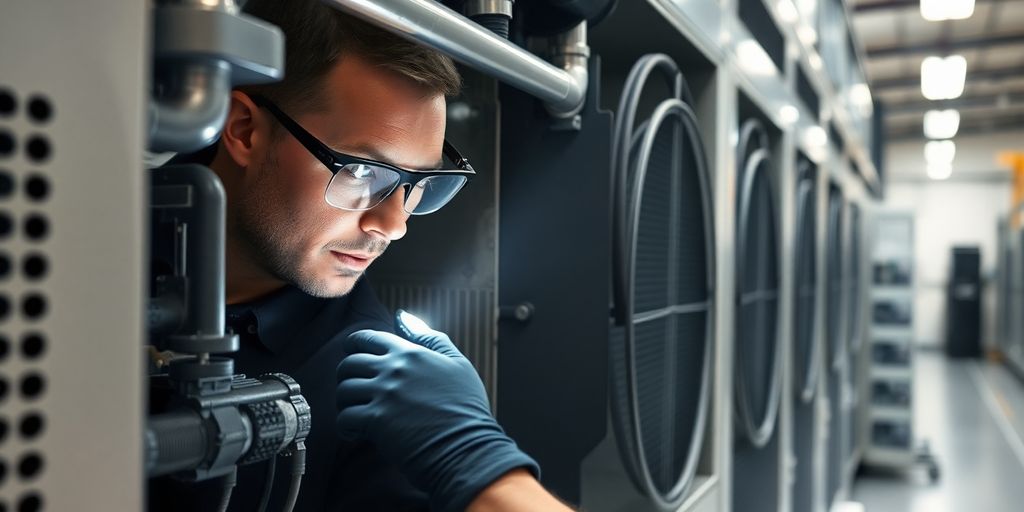
Okay, so think about it this way: you take care of your car with regular oil changes, right? Same deal here. A solid preventive maintenance program is like giving your industrial refrigeration system a long and healthy life. By catching small issues early, you prevent them from turning into huge, expensive problems down the road. This means your equipment runs better, lasts longer, and you can actually rely on it to do its job without constant breakdowns.
Reducing Operational Costs and Energy Consumption
Let’s be real, nobody likes wasting money. When your refrigeration system is running efficiently, it uses less energy. Less energy used equals lower utility bills. Plus, when you’re not constantly fixing broken parts, you’re saving on repair costs. It’s a win-win. Regular maintenance helps keep everything running smoothly, so you’re not throwing money away on unnecessary expenses.
Minimizing Downtime and Production Losses
Downtime is a killer for any operation. If your refrigeration system goes down, production grinds to a halt. That means lost revenue, missed deadlines, and unhappy customers. A proactive maintenance plan helps you avoid these scenarios. By keeping your system in top shape, you minimize the risk of unexpected breakdowns and keep your production line humming along without interruption.
Common Maintenance Practices for Longevity
Regular Cleaning and Coil Inspection
Okay, so, first things first: cleaning. It might sound super basic, but keeping your coils clean is a huge deal. Think of it like this: if your coils are covered in dust and grime, they can’t get rid of heat like they’re supposed to. This makes your whole system work harder, which means it’s using more energy and is more likely to break down. I usually try to check the coils at least once a month, and if they look dirty, I give them a good cleaning. It’s a simple thing that can make a big difference. Coil maintenance is key.
Lubrication of Moving Parts
Next up, let’s talk about lubrication. Basically, anything that moves in your refrigeration system needs to be properly oiled or greased. We’re talking about things like motors, bearings, and fans. If these parts aren’t lubricated, they’ll create friction, which leads to wear and tear. I try to keep a schedule for lubricating all the moving parts, and I always use the type of lubricant that’s recommended by the manufacturer. It’s a bit of a messy job, but it’s way better than having a motor seize up on you. Proper lubrication prevents overheating and extends the life of the components.
Monitoring Refrigerant Levels and Leaks
Finally, you gotta keep an eye on your refrigerant levels. Refrigerant is the stuff that actually cools things down, so if you’re low on it, your system won’t work as well. More importantly, low refrigerant usually means you have a leak somewhere, and leaks are bad news. They can damage the environment, and they can also cause your compressor to burn out. I check the refrigerant levels regularly, and if I suspect a leak, I call in a professional to find and fix it. It’s not something you want to mess around with yourself. Refrigerant management is crucial for efficiency and safety.
Advanced Strategies for System Optimization
Utilizing Predictive Maintenance Technologies
Okay, so you’ve got your regular maintenance down. What’s next? Let’s talk about getting smart with it. Predictive maintenance is where it’s at. Instead of just checking things on a schedule, you use sensors and data analysis to figure out when something is actually going to fail. This means you only fix things when they need fixing, saving you time and money. It’s like having a crystal ball for your refrigeration system.
Implementing Energy Efficiency Upgrades
Alright, let’s be real, industrial refrigeration can be a real energy hog. But it doesn’t have to be! There are tons of ways to make your system more efficient. Think about upgrading to newer, more efficient compressors or tweaking your control systems to optimize performance. Even small changes can add up to big savings on your energy bill. Plus, you’ll be doing your part for the environment, which is always a good look.
Considering System Modernization and Upgrades
Sometimes, no matter how well you maintain your system, it just gets old. Parts become harder to find, and it’s not running as efficiently as it used to. That’s when it might be time to think about a full-on modernization. This could mean replacing major components or even installing a whole new system. It’s a big investment, sure, but the long-term benefits in terms of efficiency, reliability, and reduced downtime can make it totally worth it.
Addressing Potential System Issues Proactively
Identifying Early Warning Signs of Malfunction
Okay, so how do you know when your industrial refrigeration system is about to throw a fit? It’s all about spotting the early warning signs. Keep an eye out for things like unusual noises – hissing, banging, or grinding sounds are never good. Also, check for inconsistent temperatures or a sudden spike in energy bills. These could indicate that something’s not running as efficiently as it should. Basically, if something seems off, it probably is.
Troubleshooting Common Refrigeration Problems
Alright, so something’s gone wrong. Now what? First, don’t panic. Start with the simple stuff. Is the power on? Are all the connections secure? Check the refrigerant levels – low refrigerant is a common culprit. If you’re comfortable, inspect the coils for ice buildup or dirt. Sometimes, a good cleaning can solve a lot of problems. If you’ve tried the basics and still no luck, it might be time to call in a pro. No shame in that!
Scheduling Timely Professional Servicing
Look, even with the best preventive maintenance, things can still go wrong. That’s why it’s super important to have a good relationship with a reliable service technician. Regular professional servicing can catch problems that you might miss. Think of it like taking your car in for an oil change – it’s a small investment that can prevent major headaches down the road. Plus, a pro can help you optimize your system for peak performance and efficiency.
It’s super important to catch problems before they get big. Thinking ahead and fixing small issues early on can save a lot of headaches later. Want to learn more about how we help you avoid system troubles? Check out our website for all the details!
Wrapping Things Up: Keep Your Refrigeration Running Smoothly
So, we’ve talked a lot about keeping your industrial refrigeration system in good shape. It really comes down to this: a little bit of regular care goes a long way. Think about it like your car; you wouldn’t skip oil changes, right? Same idea here. Doing those routine checks, cleaning things up, and fixing small issues before they get big can save you a ton of headaches and money down the road. Plus, your system will just work better, which is good for everyone. It’s all about being smart and proactive to keep things cool and running for years to come.
