


Overview
Tailor-made cooling systems have become indispensable assets in the realm of industrial refrigeration, enabling companies to optimize their processes and improve efficiency in industrial production. Unlike off-the-shelf cooling solutions, these customized refrigeration systems are designed to meet the precise requirements of a specific industry or production line, accommodating unique operational demands and environmental conditions.
In industries ranging from chemical manufacturing to plastics and packaging, the ability to maintain precise temperature control is vital. Cooling systems that are not perfectly aligned with the operational needs may lead to inefficiencies, increased downtime, or compromised product quality. Hence, tailor-made cooling systems are engineered for compatibility with particular machinery, cooling loads, and spatial constraints.
Industrial refrigeration technologies have evolved significantly over the past decades, with innovations focusing on improved energy savings, environmental sustainability, and integration with modern automation systems. Tailored systems leverage these advancements, offering enhanced performance and reliability.
“The future of industrial cooling hinges on customizable solutions that prioritize both operational excellence and energy efficiency.”
With global emphasis on reducing carbon footprints and operational costs, tailor-made cooling systems present a strategic solution for industrial leaders who seek to balance productivity with sustainability. Their adaptability ensures that manufacturers can meet stringent compliance standards while optimizing cooling performance.
Importance of Customized Refrigeration
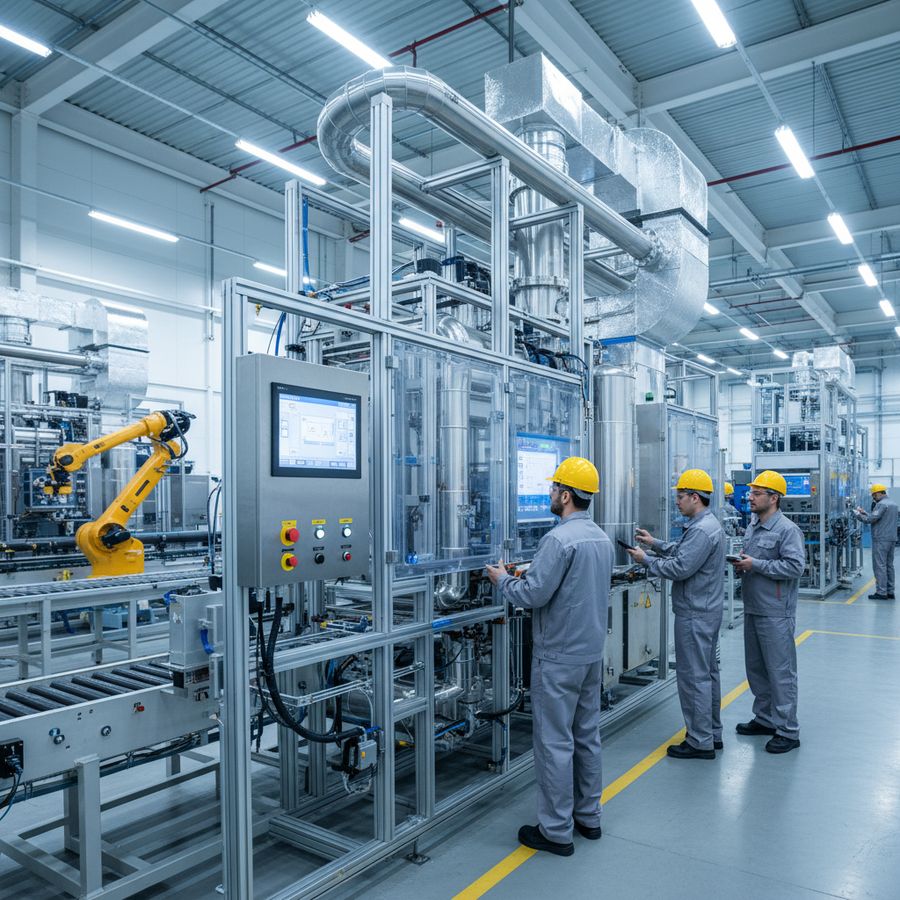
The significance of customized refrigeration in industrial settings cannot be overstated. Industrial processes often involve complex thermal requirements that vary widely across sectors and even within different stages of production. A one-size-fits-all approach to refrigeration can lead to inadequate cooling, energy waste, or excessive wear and tear on equipment.
Customized refrigeration systems are engineered to address these challenges by tailoring the cooling capacity, control algorithms, and component selection to the exact needs of the application. This bespoke approach ensures that temperature regulation is precise, consistent, and responsive to process fluctuations.
Moreover, tailor-made cooling systems contribute to improved energy savings by optimizing system performance and reducing unnecessary energy consumption. Through careful design, these systems minimize losses and leverage advanced technologies such as variable speed drives, free cooling, and intelligent controls.
Industries that rely on sensitive manufacturing processes, such as pharmaceuticals, food processing, and electronics, particularly benefit from customized refrigeration. Precise temperature control here is not merely a matter of efficiency but a critical factor in product integrity and safety.
“Customized refrigeration is a cornerstone for achieving reliability and sustainability in demanding industrial environments.”
Additionally, customized systems often integrate seamlessly with existing infrastructure, reducing installation complexities and downtime. This flexibility enhances the overall production workflow and supports scalability as industrial demands evolve.
Designing for Specific Industrial Needs
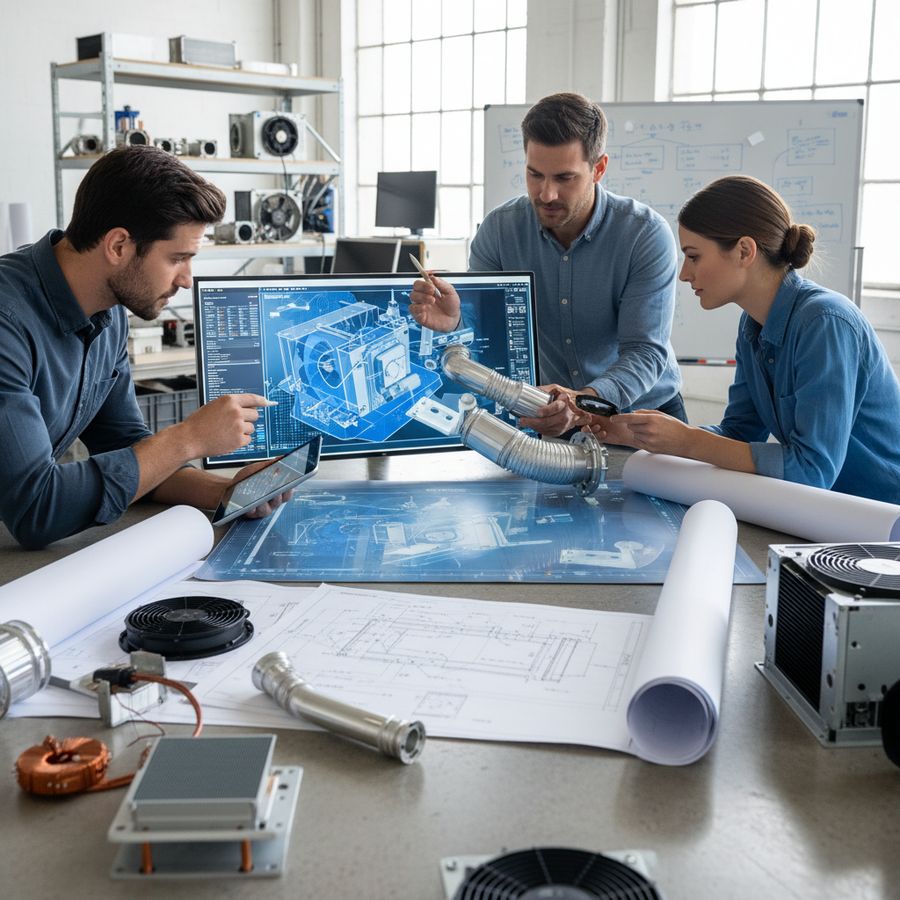
Designing tailor-made cooling systems requires a deep understanding of the specific industrial environment and the unique thermal challenges it presents. The design process begins with a comprehensive analysis of the production requirements, including cooling load calculations, environmental conditions, space limitations, and regulatory standards.
Key factors considered during design include:
-
Type of industrial process and temperature sensitivity
-
Required cooling capacity and temperature range
-
Available space and installation constraints
-
Energy efficiency targets and sustainability goals
-
Integration with existing industrial control systems
-
Maintenance accessibility and operational reliability
By addressing these elements, designers can select appropriate components such as chillers, heat exchangers, condensers, and advanced control units to optimize system performance. For example, incorporating free cooling technologies can significantly reduce energy consumption in cooler climates by utilizing ambient air for heat rejection.
The customization extends to the control strategies employed. Modern tailor-made systems often feature programmable logic controllers (PLCs) and remote monitoring capabilities that allow real-time adjustments and predictive maintenance alerts, ensuring uninterrupted industrial production.
“An effective tailor-made cooling design acts as a symbiotic extension of the industrial process, enhancing both efficiency and product quality.”
The result is a robust, efficient, and scalable cooling solution that meets the precise demands of the industrial operation, reducing risks and elevating operational excellence.
Case Studies of Tailored Cooling
Examining real-world applications highlights the transformative impact of tailor-made cooling systems on industrial production. Across various sectors, customized refrigeration solutions have unlocked new levels of efficiency, reliability, and energy savings.
Case Study 1: Chemical Manufacturing
In a chemical plant requiring stringent temperature control for sensitive reactions, a tailor-made chiller system was implemented. The system integrated advanced water temperature regulators and variable-speed compressors customized to the plant’s fluctuating load demands. This resulted in a 20% reduction in energy consumption and improved product consistency.
Case Study 2: Plastic Materials Industry
A plastics manufacturer faced challenges with overheating during extrusion processes. A bespoke refrigeration unit with free cooling capabilities was designed to match the plant’s specific load and spatial constraints. The solution enhanced cooling efficiency, minimized production downtime, and extended equipment lifespan.
Case Study 3: Food Processing Facility
Tailored cooling systems in food processing enable precise temperature maintenance critical for safety and quality. One facility implemented a customized refrigeration unit with remote monitoring and adaptive control, resulting in seamless operation and compliance with stringent hygiene regulations.
“Tailored cooling systems are pivotal in driving operational excellence and sustainability across diverse industrial landscapes.”
These case studies illustrate how customized refrigeration adapts to complex industrial needs, delivering measurable benefits in energy savings and production quality.
Maintenance of Custom Systems
Effective maintenance is crucial to preserve the performance and longevity of tailor-made cooling systems in industrial environments. Due to their bespoke nature, these systems require specialized knowledge and proactive care tailored to their unique configurations and componentry.
Maintenance strategies for customized refrigeration systems typically encompass:
-
Regular inspection of mechanical and electrical components
-
Scheduled cleaning of heat exchangers and condensers to prevent fouling
-
Calibration and testing of control systems to ensure precise temperature regulation
-
Monitoring refrigerant levels and leak detection
-
Updating software for control units and remote monitoring platforms
-
Rapid response to any operational anomalies or alarms
Because these systems are often integrated into critical production lines, minimizing downtime during maintenance is essential. Many industrial partners offer comprehensive service plans that include preventative maintenance, emergency support, and spare parts management tailored specifically to the custom system.
“Proactive maintenance of tailor-made cooling systems safeguards industrial productivity and maximizes return on investment.”
Furthermore, proper maintenance contributes significantly to sustained energy savings by ensuring that all components operate at optimal efficiency and avoiding costly breakdowns that can disrupt production schedules.
Cost-Effectiveness and Energy Savings
Investing in tailor-made cooling systems offers compelling advantages in both cost-effectiveness and energy savings over the lifespan of the system. While the initial capital expenditure may be higher than standard units, the long-term operational savings and enhanced production efficiency justify the investment.
Customized refrigeration systems achieve cost-effectiveness through:
-
Optimized sizing and component selection to avoid overcapacity and wasted energy
-
Implementation of energy-efficient technologies such as free cooling and variable speed drives
-
Improved process control that reduces product waste and rejects
-
Lower maintenance costs due to durable, high-quality components tailored to operational demands
-
Reduction in environmental penalties or compliance costs by meeting regulatory standards
Energy savings are particularly significant, as customized systems adapt dynamically to production loads and ambient conditions. This adaptability contrasts sharply with generic cooling units that operate on fixed cycles and often consume unnecessary power.
“Tailor-made cooling systems deliver measurable energy savings that contribute to both economic and environmental sustainability.”
In an era where energy costs and environmental regulations are rising, these advantages position tailor-made industrial refrigeration as a strategic asset for manufacturing enterprises aiming to stay competitive and responsible.
Conclusion
Tailor-made cooling systems represent the pinnacle of industrial refrigeration technology, offering bespoke solutions that enhance industrial production through precision, efficiency, and sustainability. By aligning cooling capacity and control with specific industrial needs, customized refrigeration ensures operational reliability and superior product quality.
The significance of tailored designs, maintenance, and energy-efficient innovations cannot be underestimated in today’s competitive manufacturing landscape. Companies that invest in these specialized systems benefit from substantial energy savings, reduced downtime, and compliance with evolving environmental standards.
“Customized refrigeration systems are not just cooling units—they are strategic enablers of industrial productivity and sustainability.”
Businesses seeking to optimize their production processes should explore the advantages of tailor-made cooling solutions from experienced partners who understand the nuances of industrial requirements. Such collaboration fosters innovation and drives long-term operational success. Learn more about how you can enhance your operations here.
