


Overview
Industrial thermoregulation plays a crucial role in plastics processing lines, ensuring precise temperature control throughout production. Maintaining optimal thermal conditions is essential for achieving high-quality plastic parts, minimizing defects, and maximizing efficiency. Thermoregulation systems manage the heat generated during plastic melting, molding, and extrusion phases, stabilizing temperatures to meet exact process requirements.
Over the years, advances in thermoregulation technology have led to more reliable and energy-efficient solutions tailored specifically for plastics processing. These systems help manufacturers reduce cycle times, improve product consistency, and minimize waste. Moreover, precise temperature control can extend the lifespan of molds and production equipment by preventing thermal stress and deformation.
Frimec, with over 55 years of experience in industrial refrigeration and temperature control, offers tailored thermoregulation solutions designed to address the unique challenges of plastics processing cooling. Their expertise spans from small-scale applications to large production facilities, delivering innovative and environmentally friendly systems that optimize productivity.
“Effective thermoregulation is the backbone of quality plastics manufacturing, providing the stability and control needed for modern high-speed production lines.”
In this article, we will explore the critical aspects of thermoregulation in plastics processing, including mold temperature control, cycle time optimization, energy efficiency tips, and strategies to prevent common defects such as warpage and sink marks. Understanding these elements is key to improving production outcomes and reducing operational costs.
Temperature Control Needs in Plastics Processing
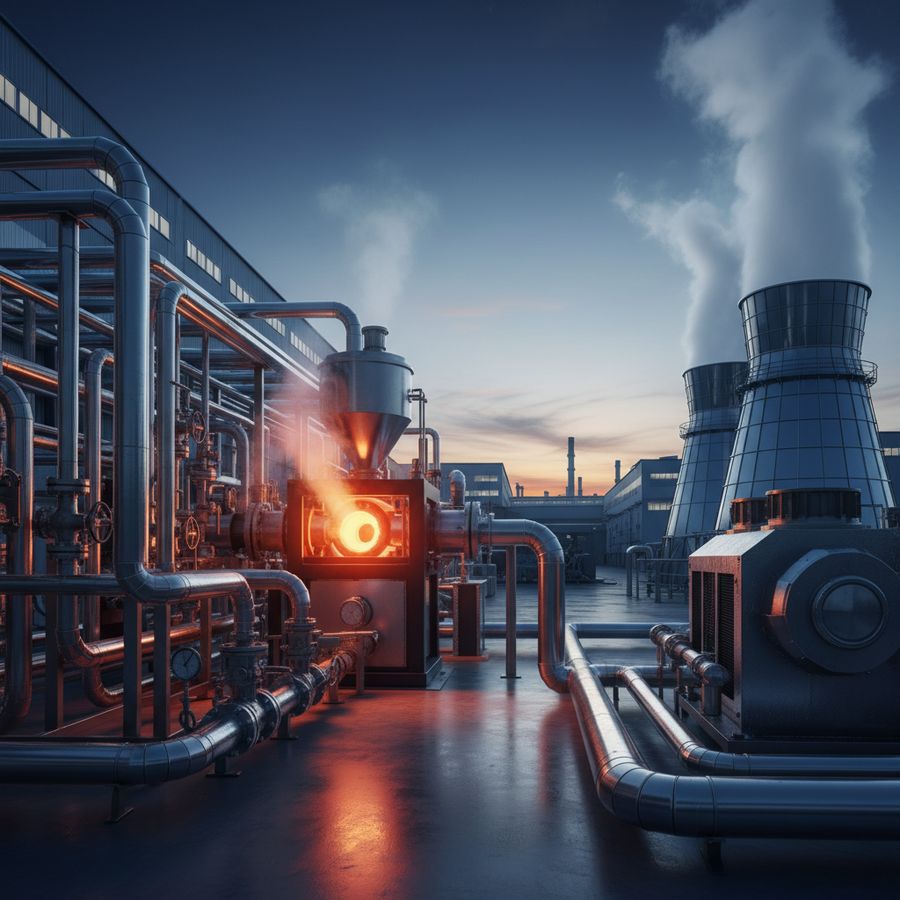
Temperature control in plastics processing is vital due to the sensitivity of polymers to heat variations. Both overheating and undercooling can negatively impact the physical properties of plastic parts, leading to quality issues and inefficiencies. Thermoregulation systems must maintain stable temperatures during melting, molding, and cooling phases to ensure dimensional accuracy and mechanical strength.
Plastics processing cooling needs vary depending on the type of polymer, process speed, and complexity of the molded part. For example, thermoplastics require precise temperature zones in extrusion and injection molding machines, while thermosets often need controlled curing temperatures. The temperature control system must respond quickly to fluctuations to prevent defects and maintain consistent cycle times.
Key temperature control challenges include:
- Managing heat generated by friction and pressure inside processing equipment
- Maintaining uniform temperature distribution in molds
- Rapid cooling to reduce cycle time without inducing stress
- Adapting to different polymers with varying thermal properties
Modern thermoregulation units incorporate advanced sensors and intelligent controllers to monitor and adjust temperatures precisely. This capability ensures optimal plastics processing cooling, reducing scrap rates and improving overall line efficiency.
Mold Temperature Control and Cycle Time
Mold temperature control is a critical factor influencing cycle time and product quality in plastics processing. The mold’s temperature directly affects the cooling rate of the molten plastic, which in turn determines how quickly the part solidifies and can be ejected. Efficient thermoregulation minimizes cycle time while preventing defects caused by uneven cooling.
A well-regulated mold temperature contributes to:
- Consistent dimensional accuracy
- Reduced internal stresses and warpage
- Improved surface finish and mechanical properties
- Optimized cycle time to increase throughput
For example, too low a mold temperature can cause premature solidification, leading to incomplete filling or weak weld lines. Conversely, excessively high mold temperatures extend cooling time and reduce productivity. The ideal temperature balance depends on the polymer type and part design.
“Balancing mold temperature precisely can reduce cycle time by up to 20%, significantly impacting production efficiency and cost.”
Advanced thermoregulation units provide stable temperature control through precise heating and cooling circuits, often integrating with machine controls for real-time adjustments. This stability is essential in high-speed extrusion and injection molding where any thermal fluctuation can compromise the entire batch.
Choosing Thermoregulation Units for Stable Output
Selecting the right thermoregulation unit is crucial to maintaining stable output in plastics processing lines. The unit must deliver consistent temperature control, adapt to process demands, and integrate seamlessly with existing equipment. Key considerations when choosing a thermoregulation system include capacity, precision, reliability, and energy efficiency.
Thermoregulation units generally use water or oil as the heat transfer medium, with temperature ranges adapted to the plastics processing requirements. Water-based systems are common for temperatures up to 90°C, while oil-based units serve higher temperature needs. The choice depends on the polymer type and process temperature.
Important features to consider:
- Temperature stability within ±1°C or better
- Rapid heating and cooling capabilities
- Robust construction to withstand industrial environments
- Advanced control systems with programmable setpoints and alarms
- Integration with industrial refrigeration or chillers for efficient cooling
Frimec’s range of thermoregulation units includes models tailored for plastics processing cooling, combining precise temperature regulation with energy-saving technologies. Their solutions support continuous operation, minimizing downtime and ensuring a stable output that meets production targets.
Flow Balancing, Manifolds, And Pressure Losses
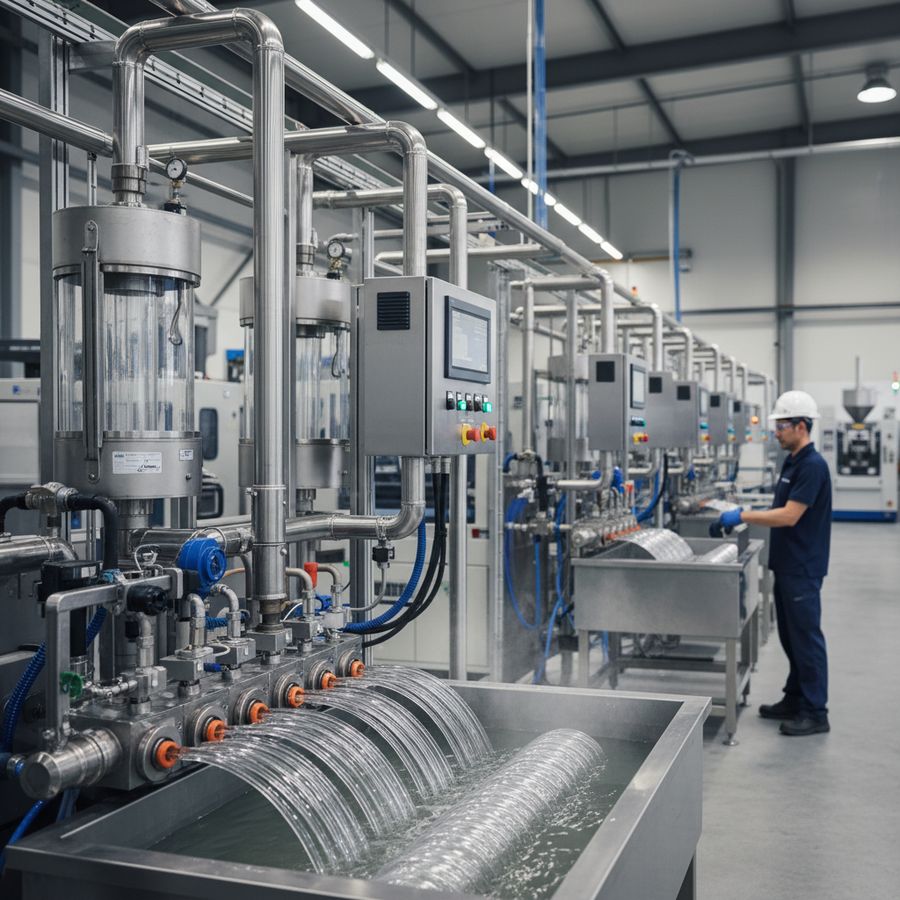
Effective thermoregulation in plastics processing also depends on proper flow balancing, manifold design, and managing pressure losses within the cooling circuits. Uneven flow distribution can cause temperature disparities in molds, leading to quality defects and inconsistent cooling.
Manifolds distribute the heat transfer fluid evenly to multiple cooling channels, ensuring uniform temperature control. Poorly designed manifolds or unbalanced flow can create hotspots or cold zones, adversely affecting the molded parts.
Key factors influencing flow and pressure management:
- Correct sizing of pipes and manifolds to minimize pressure drops
- Use of flow restrictors or balancing valves to equalize flow rates
- Regular maintenance to prevent clogging and fouling
- Ensuring pumps deliver adequate pressure and flow consistent with system design
Pressure losses in thermoregulation circuits increase energy consumption and reduce system efficiency. Addressing these losses through optimized hydraulic design and high-quality components enhances the overall performance of plastics processing cooling systems.
“Balanced flow and minimal pressure loss are essential for achieving precise mold temperature control and consistent product quality.”
Implementing these engineering principles in thermoregulation systems contributes to smoother operation, energy savings, and reduced maintenance costs.
Energy Efficiency Tips for Plastic Extrusion Cooling
Optimizing energy consumption during plastic extrusion cooling is both economically and environmentally beneficial. Thermoregulation systems can be significant energy users, so applying energy efficiency best practices is essential for sustainable production.
Some effective energy-saving strategies include:
- Utilizing variable speed pumps and fans to match cooling demand dynamically
- Employing free cooling options when ambient conditions allow, reducing chiller operation
- Insulating pipes and tanks to minimize heat loss
- Implementing intelligent control systems that adjust temperature setpoints based on real-time process data
- Regular preventive maintenance to keep equipment running at peak efficiency
In addition, selecting thermoregulation units with high-efficiency compressors, pumps, and heat exchangers can significantly lower energy costs. Frimec’s industrial thermoregulation solutions emphasize eco-friendly technologies that reduce carbon footprint while maintaining optimal cooling performance.
“Energy efficiency in plastics processing cooling not only cuts costs but also supports corporate sustainability goals.”
Manufacturers who invest in energy-conscious thermoregulation systems benefit from improved ROI through lower utility bills and enhanced process reliability.
Preventing Defects: Warpage, Sink Marks, Bubbles
Many common plastic part defects stem from inadequate temperature control during processing. Warpage, sink marks, and bubbles are often symptoms of uneven cooling, thermal stresses, or trapped gases. Effective thermoregulation mitigates these issues by maintaining consistent mold temperature and cooling rates.
Warpage occurs when different areas of a part cool at different rates, causing distortion. Uniform mold temperature and well-balanced flow in cooling channels are essential to prevent this deformation.
Sink marks
Bubbles
“Consistent thermoregulation is key to minimizing defects and producing high-quality plastic components.”
By integrating advanced temperature control solutions with well-designed cooling systems, manufacturers can significantly lower defect rates, improve product aesthetics, and enhance mechanical properties.
Conclusion
Industrial thermoregulation is a vital component of plastics processing lines, influencing product quality, cycle time, and operational efficiency. Precise temperature control during molding and extrusion ensures consistent output while minimizing defects such as warpage, sink marks, and bubbles.
Choosing the right thermoregulation units, optimizing flow balancing, and implementing energy-efficient cooling practices all contribute to a robust plastics processing cooling system. With decades of expertise, companies like Frimec provide tailor-made solutions that combine innovation, reliability, and environmental responsibility.
Investing in advanced thermoregulation technology not only improves manufacturing performance but also supports sustainable production goals, making it a strategic advantage for plastics processors worldwide.
