


1. Regular compressor maintenance
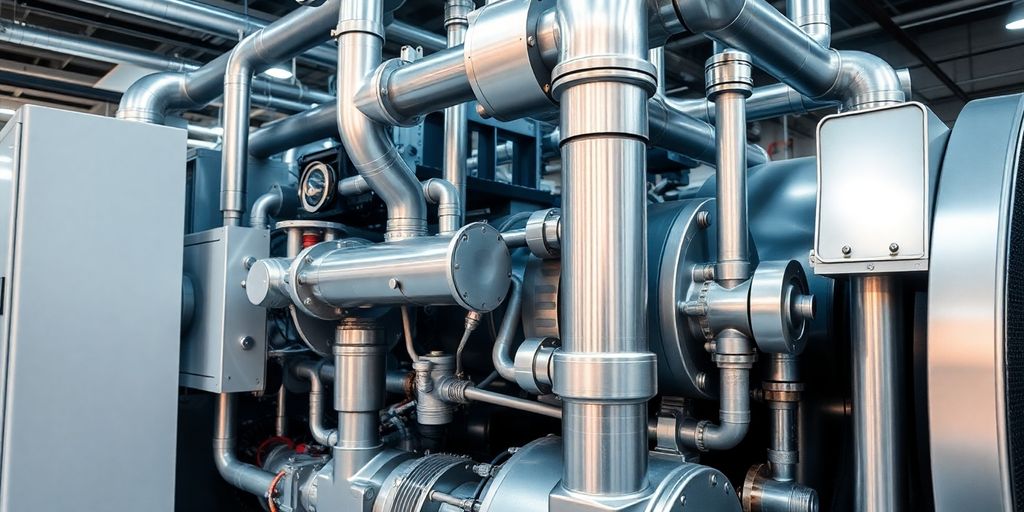
Your industrial refrigeration system’s compressor is like its heart, so keeping it in good shape is a big deal. Regular check-ups can prevent costly breakdowns and keep things running smoothly. Think about it: a little bit of preventative care now can save you a lot of headaches and money down the road. We’re talking about things like checking oil levels and quality, listening for any unusual noises, and making sure the seals aren’t leaking. It’s also a good idea to keep an eye on the operating temperatures and pressures. If something seems off, it’s better to address it before it becomes a major problem. This kind of attention helps maintain the efficiency of your entire system.
2. Optimize refrigerant charge
Having the right amount of refrigerant in your system is pretty important. Too little, and your system won’t cool effectively, making it work harder than it needs to. Too much, and you can cause damage and also reduce efficiency. It’s all about finding that sweet spot. Think of it like filling a tire with air; you don’t want it flat, but you also don’t want it so overinflated that it blows out. Regularly checking and adjusting the refrigerant levels, usually done by a qualified technician, helps keep your refrigeration running smoothly and saves you money on energy bills. It’s a simple check that makes a big difference in how your equipment performs.
3. Inspect and seal air leaks
You know, sometimes the simplest things can make a big difference in how well your industrial refrigeration system runs. One of those things is checking for and fixing air leaks. Think about it: your system is designed to keep cold air in and warm air out. When there are gaps or cracks in the insulation, doors, or seals, warm, moist air can sneak in. This makes your compressors work harder than they need to, using more energy and putting extra wear and tear on the equipment. It’s like trying to keep your house cool with all the windows open on a hot day – it just doesn’t work efficiently. Take a good look at the seals around your walk-in coolers or freezers, check the door gaskets for any damage, and inspect the insulation panels for any signs of separation. Even small leaks can add up over time, impacting your cooling performance and your energy bills. Fixing these leaks is usually a pretty straightforward job, often involving some caulk, weather stripping, or even just tightening a few screws. It’s a small effort that pays off big in the long run for keeping your system running smoothly and saving you money.
4. Upgrade to energy-efficient motors
When you’re looking at ways to cut down on energy use in your industrial refrigeration setup, don’t overlook the motors. Older motors, even if they seem to be working fine, can be real energy hogs. Upgrading to modern, energy-efficient motors is a smart move that pays off over time. These new motors are designed to use less electricity to do the same amount of work. Think about it: your refrigeration system runs a lot, so even a small improvement in motor efficiency adds up quickly. It’s not just about saving money on your power bill, though that’s a big plus. More efficient motors also tend to run cooler and can last longer, meaning fewer breakdowns and less maintenance hassle. It’s a solid investment in keeping your system running smoothly and affordably.
5. Install variable frequency drives (VFDs)
You know, sometimes the simplest changes make the biggest difference in how much energy your refrigeration system uses. Installing variable frequency drives, or VFDs, on your motors is one of those game-changers. Instead of motors running at full speed all the time, even when they don’t need to, a VFD lets you adjust their speed based on the actual cooling demand. Think of it like a dimmer switch for your motor. This ability to precisely match motor speed to the load can lead to significant energy savings. It’s not just about saving money on electricity bills, though. Running motors at lower speeds also reduces wear and tear, meaning fewer breakdowns and a longer lifespan for your equipment. It’s a smart move for efficiency and reliability.
6. Improve insulation and vapor barriers
Think about your industrial refrigeration system like a well-insulated house. If the walls have gaps or the insulation is old and worn out, you’re constantly losing conditioned air and spending more energy to keep things cool. The same principle applies to your refrigeration pipes and vessels. Damaged or missing insulation allows valuable cold air to escape into the surrounding environment, forcing your system to work harder than it needs to. This isn’t just about comfort; it’s about direct energy waste and increased operational costs. We also need to talk about vapor barriers. These are like the waterproof layer on your house’s exterior. Without a proper vapor barrier, moisture from the warmer, more humid air outside can get into your insulation. When that happens, the insulation gets wet, loses its effectiveness, and can even lead to corrosion issues on the pipes themselves. Regularly checking for and repairing any breaches in your insulation and vapor barriers is a straightforward way to keep your system running efficiently and prevent costly damage down the line. It’s a bit like patching up those little leaks before they become big problems.
7. Implement smart controls and monitoring
You know, sometimes the best way to get a handle on your industrial refrigeration system is to let technology do some of the heavy lifting. Implementing smart controls and monitoring systems can really make a difference in how efficiently your equipment runs. These systems give you real-time data about everything from temperature fluctuations to pressure levels, allowing you to spot potential issues before they become big problems. Think of it as having a constant, detailed report card for your entire refrigeration setup. This kind of insight helps you fine-tune operations, reduce energy waste, and keep your products at the perfect temperature. It’s not just about knowing what’s happening; it’s about having the information to act proactively. You can track performance trends over time, which is super helpful for planning maintenance and identifying areas where you can save even more energy. It really takes the guesswork out of managing a complex system like industrial refrigeration.
8. Clean condenser coils
Your condenser coils are like the lungs of your refrigeration system. When they get dirty, they can’t breathe properly, and that really impacts how well your system works. Think about it: dust, grime, and other buildup act as an insulator, making it harder for the coils to release heat. This extra effort means your compressor has to work harder, using more energy and potentially shortening its lifespan. Keeping these coils clean is a pretty straightforward task, but it’s one that gets overlooked a lot. A good cleaning involves gently brushing away debris and maybe using a coil cleaner if they’re really caked on. Just be careful not to bend the fins. Regularly cleaning them will help your system run more efficiently and keep those cooling temperatures steady. It’s a simple maintenance step that pays off big time.
9. Maintain evaporator coils
Evaporator coils are the workhorses of your refrigeration system, absorbing heat from the space you’re trying to cool. When they get dirty or iced up, their ability to do this job effectively takes a big hit. Think of it like trying to breathe through a clogged nose – it’s just not efficient. Keeping these coils clean and free of frost buildup is super important for maintaining optimal performance and preventing bigger issues down the line. Regular cleaning removes dust, dirt, and other gunk that can block airflow and reduce heat transfer. If you notice ice forming on the coils, it’s a sign that something’s not quite right, maybe with airflow or the refrigerant levels, and it definitely needs attention. Proper maintenance here means your system doesn’t have to work as hard, saving you energy and preventing costly repairs.
10. Proper defrost cycle management
Managing your defrost cycles correctly is a big deal for keeping your industrial refrigeration system running smoothly and saving energy. When frost builds up too much on your evaporator coils, it really cuts down on how well they can cool the air. This means your system has to work harder, using more power than it should. Setting up your defrost timers and duration properly can make a significant difference. You don’t want to defrost too often, because each defrost cycle uses energy and can temporarily warm up the refrigerated space. On the other hand, letting frost get too thick is also bad. It’s a balancing act. Think about how much frost actually builds up between cycles. Sometimes, adjusting the frequency or how long each defrost lasts can be all that’s needed. It’s about finding that sweet spot where you keep the coils clean enough for good cooling without wasting energy on unnecessary defrosts. Paying attention to these details really helps your equipment last longer and perform better.
Managing your defrost cycles correctly is super important for keeping your cooling systems running smoothly. When these cycles aren’t set up right, it can cause problems and waste energy. Want to learn how to get your defrost cycles working their best? Visit our website for expert tips and solutions!
Wrapping It Up
So, there you have it. We went over a few ways to get your industrial refrigeration running better. It’s not always easy, and sometimes you might think about just calling someone, but trying these things can really make a difference. Keeping up with maintenance and watching how much power you’re using are big ones. You don’t need to be a super expert to make some good changes. Just a little attention can save you money and keep things running smoothly. Give it a shot!
