


Understanding the importance of industrial refrigeration
Industrial refrigeration is way more important than most people think. It’s not just about keeping things cold; it’s about maintaining quality, saving energy, and following the rules. Let’s break down why it matters.
Impact on product quality
Think about it: if you’re dealing with food, medicine, or certain chemicals, temperature control is everything. Industrial refrigeration keeps these products at the right temperature, so they don’t spoil or lose their effectiveness. A slight change in temperature can ruin an entire batch, costing a ton of money and potentially putting people at risk. It’s about making sure what you’re producing is safe and works as it should.
Energy efficiency considerations
Running these refrigeration systems costs a lot of energy. Old or poorly maintained systems can really drive up your energy bill. But, if you invest in energy-efficient tech and keep everything running smoothly, you can save a bunch of money and reduce your carbon footprint. It’s a win-win.
Regulatory compliance requirements
There are rules about how cold things need to be kept and what refrigerants you can use. These rules are there for safety and to protect the environment. If you don’t follow them, you could face fines or even have to shut down your operations. Staying on top of these regulations is a must.
Choosing the right refrigeration system
Alright, so you’re thinking about getting a new refrigeration system. That’s a big deal! It’s not like picking out a new fridge for your kitchen. This is about keeping your whole operation running smoothly, so you gotta get it right.
Types of industrial refrigeration systems
There are a bunch of different types of refrigeration systems out there, and each one has its own strengths and weaknesses. You’ve got your vapor-compression systems, absorption systems, and even some more niche options. Vapor-compression is probably the most common, but it’s not always the best choice. Absorption systems, for example, can be a good fit if you have a source of waste heat you can use. It really depends on what you’re trying to do and what resources you have available.
Factors to consider in selection
Okay, so how do you actually pick the right system? Well, first off, think about what you’re refrigerating. Is it food, chemicals, or something else entirely? The temperature requirements are going to be different, and that’ll affect the kind of system you need. Also, consider the size of your operation. A small warehouse is going to have very different needs than a massive processing plant. Don’t forget about things like energy efficiency and environmental impact, either. You want something that’s going to save you money in the long run and not cause too many headaches with regulations.
Cost vs. performance analysis
Let’s be real, cost is always a factor. But don’t just go for the cheapest option you can find. Sometimes, spending a little more upfront can save you a ton of money down the road. Think about things like maintenance costs, energy consumption, and the lifespan of the system. A system that’s cheap to buy but breaks down all the time is going to end up costing you way more in the long run. Do your homework, compare different options, and figure out what’s going to give you the best bang for your buck. It’s a balancing act, but it’s worth taking the time to get it right.
Implementing energy-efficient practices
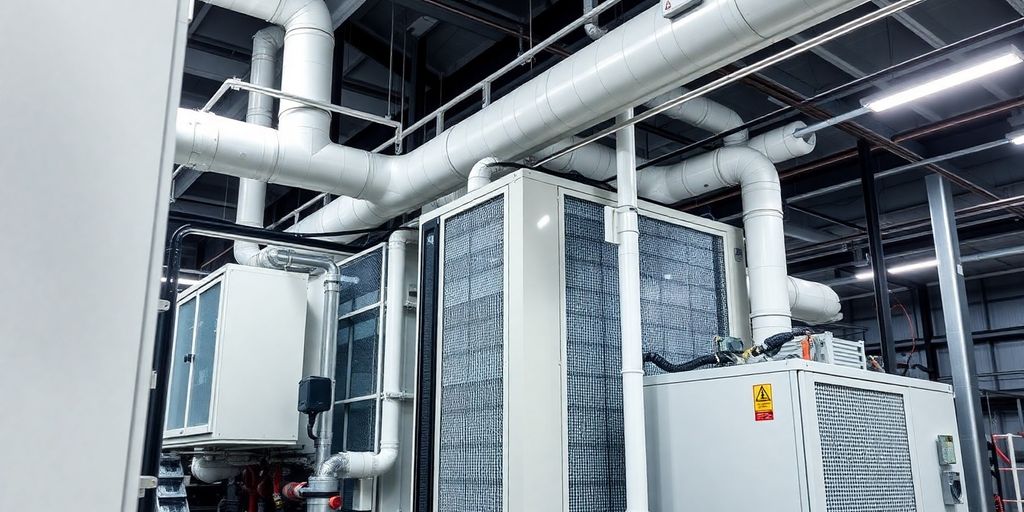
Benefits of energy-efficient refrigeration
Okay, so why should you even bother with making your refrigeration more energy-efficient? Well, for starters, it can seriously cut down on your operating costs. Think about it: refrigeration systems can be real energy hogs. By making them more efficient, you’re using less power, which means lower bills. Plus, there’s the whole environmental angle. Less energy use means a smaller carbon footprint, and that’s something everyone can get behind.
Technologies to enhance efficiency
So, how do you actually make your refrigeration systems more efficient? There are a bunch of ways to go about it. One option is to upgrade to newer, more efficient equipment. Another is to look at things like insulation and sealing to minimize heat leaks. Variable speed drives are also a good idea, as they allow the system to adjust its output based on demand, rather than running at full blast all the time. It’s all about finding the right combination of technologies that works for your specific setup.
Monitoring and maintenance strategies
Alright, you’ve got your energy-efficient system in place. Now what? Well, you need to keep an eye on it. Regular monitoring is key to spotting any potential problems early on. Things like temperature fluctuations or unusual energy consumption can be signs that something’s not quite right. And of course, regular maintenance is a must. That means things like cleaning coils, checking refrigerant levels, and making sure all the components are in good working order. Think of it like taking your car in for a tune-up – it keeps everything running smoothly and prevents bigger problems down the road.
Maximizing system performance
Regular maintenance protocols
Okay, so you’ve got your industrial refrigeration system up and running. Great! But don’t just set it and forget it. Regular maintenance is super important for keeping things running smoothly. Think of it like your car – you wouldn’t skip oil changes, right? Same deal here. Regular checks can catch small issues before they turn into big, expensive problems. This includes checking refrigerant levels, inspecting for leaks, and making sure all the components are clean and in good working order. Trust me, a little bit of upkeep goes a long way.
Upgrading outdated systems
Is your refrigeration system older than your grandma’s TV? It might be time for an upgrade. Technology has come a long way, and newer systems are way more efficient and reliable. Plus, outdated systems can be a real drain on energy, costing you money in the long run. Consider swapping out old parts or even the whole system for something more modern. It’s an investment that can pay off big time with lower energy bills and fewer breakdowns.
Utilizing advanced control systems
Take advantage of advanced control systems. These systems use sensors and software to monitor and adjust your refrigeration system in real-time. This means it can automatically optimize performance based on things like temperature, load, and even the weather. It’s like having a smart thermostat for your entire refrigeration setup. Not only does this improve efficiency, but it also gives you better control and visibility over your operations. Pretty cool, huh?
Training staff for optimal operation
Importance of staff training
Okay, so, you’ve got this awesome refrigeration system, right? But here’s the thing: it’s only as good as the people running it. Seriously. If your staff doesn’t know what they’re doing, you’re basically throwing money away. Proper training isn’t just a nice-to-have; it’s essential for keeping things running smoothly and avoiding costly mistakes. Think of it as an investment that pays off big time in the long run.
Best practices for operation
Operating industrial refrigeration isn’t like using your fridge at home. There are specific procedures and best practices that your team needs to follow. This includes everything from starting up and shutting down the system correctly to understanding how to adjust settings for different products and conditions. It’s about knowing the ins and outs of the equipment so they can keep it humming along efficiently. It’s also about spotting potential problems early, before they turn into major headaches.
Safety protocols in refrigeration
Let’s be real, industrial refrigeration can be dangerous if you don’t know what you’re doing. We’re talking about high pressures, potentially hazardous refrigerants, and heavy machinery. That’s why safety training is non-negotiable. Your staff needs to be fully aware of all the safety protocols, from wearing the right protective gear to knowing what to do in case of a leak or other emergency. Safety first, always.
Evaluating and optimizing your refrigeration setup
Okay, so you’ve got your industrial refrigeration system up and running. But how do you know if it’s really doing its job efficiently? And what can you do to make it even better? Let’s talk about evaluating and optimizing your setup.
Conducting a system audit
Think of a system audit as a health checkup for your refrigeration. It’s about taking a close look at everything – from the compressors to the condensers – to see how they’re performing. This involves gathering data on temperatures, pressures, energy consumption, and run times. You’re trying to get a clear picture of where things stand. It’s like figuring out if your car is getting the mileage it should be, or if something’s off under the hood.
Identifying areas for improvement
Once you’ve got your audit data, it’s time to play detective. Where are the bottlenecks? Are there any components that are working harder than they should be? Maybe you’ve got a leaky seal somewhere, or perhaps your insulation isn’t doing its job. Pinpointing these areas is key to making targeted improvements. It’s not about throwing money at the problem; it’s about fixing what’s actually broken or inefficient.
Implementing changes for better efficiency
Alright, you’ve found the trouble spots. Now what? This is where you put your plan into action. Maybe it’s as simple as replacing worn-out parts, or perhaps it involves upgrading to more efficient technologies. The goal is to make changes that will have a real impact on your system’s performance and energy consumption. It’s about making smart choices that will pay off in the long run.
Future trends in industrial refrigeration
Emerging technologies
Okay, so what’s coming up next in industrial refrigeration? Well, there’s a lot of buzz around some pretty cool stuff. Think about magnetic refrigeration – it’s still kind of new, but the idea is to use magnetic fields instead of chemical refrigerants. That could seriously cut down on greenhouse gases. Also, keep an eye on things like advanced sensors and AI-powered systems that can predict when equipment needs maintenance. These technologies promise to make everything run smoother and more efficiently.
Sustainability in refrigeration
Sustainability is a big deal, and it’s only getting bigger. Companies are under pressure to reduce their carbon footprint, and refrigeration is a major energy hog in many industries. So, what’s the answer? Well, a lot of it comes down to using refrigerants with lower global warming potential. Natural refrigerants like ammonia and CO2 are making a comeback. Plus, there’s a push for better insulation and heat recovery systems to minimize energy waste. It’s all about doing more with less, really.
Impact of regulations on future systems
Regulations are always changing, and they have a huge impact on what kind of refrigeration systems you can use. Governments are cracking down on refrigerants that damage the ozone layer or contribute to climate change. That means companies need to stay informed about the latest rules and be ready to adapt. Ignoring these regulations isn’t an option, as it can lead to hefty fines and operational shutdowns. It’s a good idea to work with experts who know the ins and outs of compliance to make sure you’re always in the clear.
As we look ahead, the future of industrial refrigeration is set to change in exciting ways. New technologies are making systems more energy-efficient and environmentally friendly. Companies are focusing on smart solutions that can monitor and control temperatures better than ever. If you want to stay updated on these trends and learn how they can benefit your business, visit our website for more information!
Final Thoughts on Industrial Refrigeration
In conclusion, optimizing your operations with effective industrial refrigeration is not just a good idea; it’s a necessity. By taking the time to assess your current systems and making the right upgrades, you can save money, reduce waste, and improve efficiency. Remember, it’s all about finding the right balance between cost and performance. Whether you’re in food processing, pharmaceuticals, or any other industry that relies on cooling, investing in the right refrigeration solutions will pay off in the long run. So, don’t wait any longer—start evaluating your refrigeration needs today and see how you can make a positive impact on your operations.
