


Optimizing manufacturing processes with precise temperature management
When you’re making things, keeping the temperature just right is a big deal. It’s not just about comfort; it directly affects how well your products turn out. Stable temperatures mean your products will be consistent, batch after batch. Think about it: if the heat fluctuates wildly, the materials might not react the same way every time. This can lead to subtle differences that add up, making some items not quite meet the standard. Controlling the climate accurately helps cut down on mistakes and wasted materials. When the environment is stable, you’re less likely to see defects caused by things like materials expanding or contracting unexpectedly. Plus, your machinery will thank you. Equipment often has a sweet spot for operating temperature. Pushing it too hot or letting it get too cold can put stress on parts, leading to premature wear and tear. Keeping things in that ideal range helps your machines last longer and run more reliably.
The impact of temperature control on operational efficiency
When we talk about keeping things running smoothly in a factory, temperature control plays a bigger part than you might think. It’s not just about making sure machines don’t overheat; it’s about making the whole operation more predictable. Think about it: if the temperature is all over the place, your production line can get thrown off. One day things might run fine, the next day a slight change could cause a hiccup. This kind of unpredictability really slows things down. When the environment is stable, your teams can work with more confidence, knowing that the conditions won’t suddenly change and mess with their workflow. This stability helps streamline how work gets done, making the whole process more efficient. It means fewer surprises and a more consistent pace, which is exactly what you want for good output.
Leveraging advanced technologies for superior temperature control
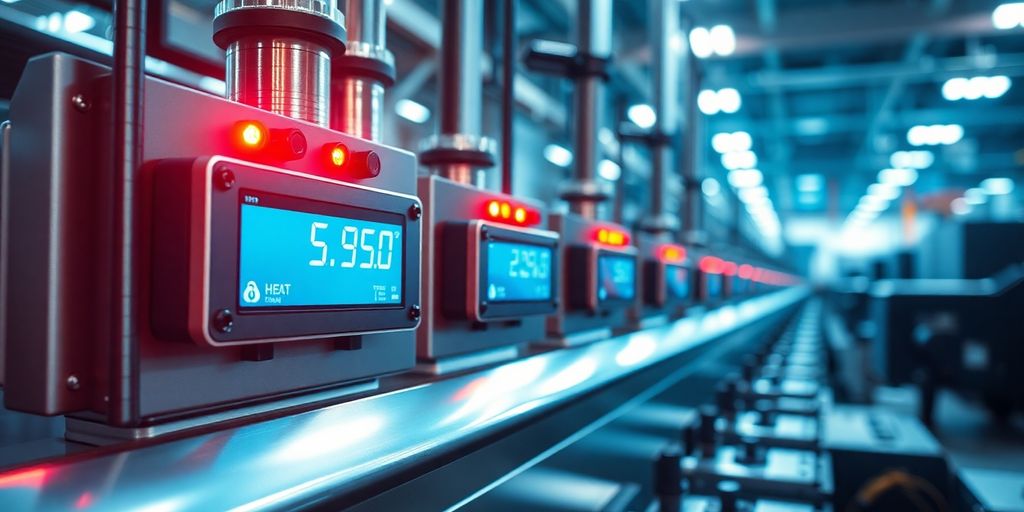
When we talk about getting industrial temperatures just right, it’s not just about setting a thermostat and forgetting it. We’re really seeing some cool new tech come into play that makes a huge difference. Think about smart sensors – these little guys are everywhere now, constantly checking the temperature and sending back real-time info. This means you know exactly what’s happening, second by second, without having to guess. This constant stream of data is what allows for truly precise control. Then there are the automated systems. These aren’t just simple on-off switches anymore; they can actually react to changes on the fly. If a machine starts running hotter than it should, the system can adjust cooling or ventilation automatically, keeping things in the sweet spot. It’s like having a really attentive supervisor for your climate. And to top it all off, we’re using data analytics more and more. By looking at all the temperature information collected over time, we can spot patterns. This helps us predict when equipment might need a check-up before it actually breaks down, saving us from unexpected stops and costly repairs. It’s about being smart with the information we have to keep everything running smoothly.
Addressing specific industry challenges with tailored solutions
Different industries have really unique temperature needs, and a one-size-fits-all approach just doesn’t cut it. For instance, in pharmaceutical production, keeping things within very specific temperature ranges is non-negotiable. Even small fluctuations can mess with the stability and effectiveness of medicines, leading to serious quality control issues and potential patient harm. Then you look at electronics manufacturing, where the challenge is often about managing heat. Components generate a lot of warmth during operation, and if that heat isn’t properly controlled, it can cause premature failure or damage sensitive circuitry. Effective heat dissipation is key to making sure these devices work reliably. Finally, think about chemical processing and storage. Many chemicals are sensitive to temperature changes, which can affect their reactivity, purity, or even create safety hazards. Maintaining the right conditions prevents unwanted reactions and keeps both products and personnel safe. Each of these situations requires a tailored thermal management strategy.
The economic benefits of investing in robust temperature control systems
When you think about temperature control, you might not immediately jump to the bottom line. But honestly, getting this right can really make a difference to your company’s finances. Investing in good temperature control systems isn’t just about keeping things cool or warm; it’s about making your operation more profitable. Think about the cost of wasted materials or products that don’t meet standards because the temperature wasn’t quite right. That’s money straight out the window. By keeping things stable, you cut down on those defects, which means less scrap and fewer costly reworks. Plus, when your equipment isn’t constantly fighting against extreme temperatures, it tends to last longer. That means fewer expensive repairs and replacements down the road. And let’s not forget energy. Smart systems that regulate temperature efficiently can lead to some pretty significant savings on your utility bills. It all adds up, making a solid case for putting your money into reliable thermal management.
Temperature control: The hidden key to industrial productivity
It might not be the first thing you think of, but temperature control is really the backbone of a productive factory floor. When the temperature is just right, everything else tends to fall into place. Think about it: if your machines are running too hot, they can start acting up, slowing down production or even breaking. That’s wasted time and money right there. On the flip side, if it’s too cold, maybe your materials don’t behave as they should, leading to faulty products. It’s all about finding that sweet spot, that stable thermal environment where your processes can just run smoothly without a hitch. Getting this right means you can actually produce more, with fewer problems. It’s not just about comfort; it’s about making sure your whole operation runs like a well-oiled machine, day in and day out. This stability directly impacts how much you can get done and how well you do it. So, take a good look at your factory’s climate. Are there ways to make it more consistent? Small changes here can make a big difference in your output and overall success. By paying attention to the thermal conditions, you can gain a real edge over the competition.
Keeping your factory at the right temperature is super important for making things efficiently. It’s like the secret ingredient for getting more done! Making sure your machines and products are in a stable environment helps everything run smoothly and prevents problems. Want to learn how to get your temperature control just right? Visit our website to find out more!
Wrapping Up: Temperature Control Matters
So, that’s pretty much it. Getting the temperature right in your factory isn’t just about keeping people comfortable, though that’s a big part of it. It really does make a difference in how well things run, how long equipment lasts, and even the quality of what you’re making. It might seem like a small detail, but paying attention to temperature control can save you headaches and money down the line. If you haven’t looked at your system lately, maybe it’s time for a check-up. You might be surprised at what you find.
