


The fundamentals of industrial thermoregulation
What is industrial thermoregulation and why is it essential?
Industrial thermoregulation is all about managing temperatures in manufacturing processes to ensure everything runs smoothly. Think of it as the thermostat for factories, keeping machinery and products at just the right level—not too hot, not too cold. Without it, equipment could overheat, products could spoil, and the whole operation might grind to a halt. This isn’t just a nice-to-have; it’s a must for keeping production lines efficient and reliable.
Key components of thermoregulation systems
At its core, a thermoregulation system includes a few key parts that work together to control temperature. You’ve got sensors to monitor heat levels, controllers to decide what adjustments are needed, and cooling or heating units to make those changes happen. It’s like the brain, nerves, and muscles of the system. Precision is the name of the game here—every part has to work in sync to keep things stable.
How thermoregulation differs from standard cooling
While they might sound similar, thermoregulation and basic cooling are not the same thing. Cooling systems are often just about bringing temperatures down, like an air conditioner on a hot day. Thermoregulation, on the other hand, is about balance. It involves both heating and cooling, depending on what’s needed, to maintain a specific temperature range. It’s a more dynamic and fine-tuned process, tailored to the unique demands of industrial settings.
The role of thermoregulation in manufacturing efficiency
Preventing Equipment Overheating and Failures
Let’s face it: machines don’t like getting too hot. When equipment overheats, it’s not just an inconvenience—it can mean costly repairs, downtime, or even a complete halt in production. Thermoregulation systems step in like a cooling lifeline, keeping machinery at the perfect temperature to prevent breakdowns. This isn’t just about avoiding disasters; it’s about keeping the whole operation running smoothly. By managing heat effectively, these systems extend the lifespan of equipment, saving businesses a fortune in the long run.
Enhancing Product Quality Through Temperature Control
You might not think about it, but temperature plays a huge role in how products turn out. Whether it’s food, chemicals, or electronics, even slight temperature changes can mess with quality. Thermoregulation ensures a stable environment, so products come out consistent and meet the standards they’re supposed to. It’s like baking cookies—you wouldn’t want your oven running too hot or too cold, right? The same idea applies here, only on a much bigger scale.
Reducing Energy Consumption in Industrial Processes
Energy bills are no joke, especially in manufacturing. Thermoregulation systems help factories use energy more efficiently by targeting cooling or heating exactly where it’s needed. Instead of wasting power on outdated, one-size-fits-all methods, these systems fine-tune the process. The result? Lower energy costs and a smaller environmental footprint. It’s a win-win for both the business and the planet.
Types of industrial thermoregulation systems
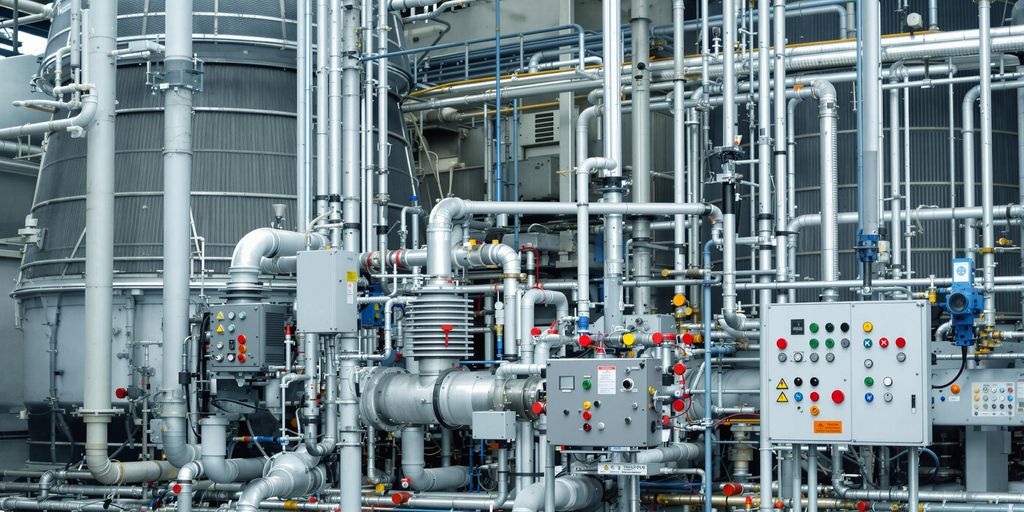
Air-based thermoregulation systems
Air-based thermoregulation systems are like the industrial version of a fan on a hot day. They work by circulating air to dissipate heat, making them a straightforward and relatively low-cost option for cooling. These systems are great for environments where precision isn’t super critical, but they do have their limits. If the surrounding air is already warm or humid, their efficiency can drop, and they might struggle to keep up. Still, for many industries, they’re a dependable choice for handling basic cooling needs.
Liquid cooling systems and their applications
Liquid cooling systems take things up a notch by using fluids like water or specialized coolants to absorb and transport heat away from equipment. Think of it like a car radiator but scaled up for industrial use. These systems are perfect for situations where maintaining a specific temperature is non-negotiable. They’re often used in high-heat environments or for machinery that generates a lot of heat during operation. What makes them stand out is their ability to provide precise temperature control, which is a game-changer for industries like electronics or pharmaceuticals. However, they do require more maintenance and can be a bit more complex to set up.
Hybrid solutions for specialized industries
Sometimes, you need the best of both worlds, and that’s where hybrid systems come into play. These systems combine air and liquid cooling methods to tackle unique challenges. Imagine needing both a breeze and an ice pack on a scorching day—that’s essentially what these systems offer. They’re designed for industries with specialized needs, where a single method just won’t cut it. The flexibility of hybrid systems makes them a go-to for tackling tricky cooling scenarios, especially in cutting-edge fields like aerospace or advanced manufacturing. Adaptability is their strong suit, but they’re also more expensive to install and maintain.
Advancements in industrial thermoregulation technology
IoT and Smart Monitoring Systems
Industrial thermoregulation has seen a massive leap forward with the integration of IoT and smart monitoring systems. These technologies allow constant tracking of temperature, pressure, and other critical parameters in real-time. What’s revolutionary is how these systems can predict potential issues before they escalate, saving both time and money. Imagine sensors that not only alert you to a problem but also provide actionable insights to fix it—this is no longer science fiction but everyday reality in modern factories.
Energy-Efficient Designs and Materials
Energy efficiency isn’t just a buzzword; it’s reshaping how thermoregulation systems are built. By using innovative materials with better thermal conductivity and insulation, systems now achieve the same results with far less energy. This shift doesn’t just cut operational costs—it also reduces environmental impact. Think about it: a system that’s both greener and cheaper to run. That’s a win-win for industries aiming for sustainability without compromising performance.
Predictive Maintenance and Automation
Automation has taken over industrial thermoregulation, and it’s not stopping anytime soon. Predictive maintenance tools, powered by AI, analyze patterns and data to foresee equipment failures before they happen. This means fewer unexpected breakdowns and smoother operations. Automated systems also adjust temperatures and settings dynamically, ensuring optimal performance without human intervention. It’s like having a thermostat that knows exactly what your factory needs, 24/7.
Sustainability in industrial thermoregulation
Green Refrigerants and Eco-Friendly Practices
The shift to green refrigerants is more than just a trend—it’s a necessity. Traditional refrigerants often have a high global warming potential (GWP), which can significantly impact the environment. By adopting eco-friendly alternatives, industries can minimize their environmental footprint while maintaining efficient operations. These refrigerants, coupled with energy-efficient designs, create a win-win situation for both the planet and the bottom line. Switching to sustainable practices isn’t just responsible—it’s smart business.
Reducing Carbon Footprints with Efficient Systems
Energy efficiency is a cornerstone of sustainable thermoregulation. Modern systems are designed to consume less power while delivering the same, if not better, performance. This reduction in energy use directly translates to fewer carbon emissions. Industries that adopt these systems can significantly cut their greenhouse gas outputs, aligning with global sustainability goals. It’s not just about compliance; it’s about leading the charge toward a greener future.
Long-Term Cost Benefits of Sustainable Solutions
Let’s face it—going green isn’t just good for the environment; it’s good for your wallet too. While the upfront investment in sustainable thermoregulation systems might seem steep, the long-term savings are undeniable. Lower energy bills, reduced maintenance costs, and extended equipment lifespans are just a few of the financial perks. Over time, these savings can offset the initial expenditure, making sustainability a financially sound choice. Efficiency, after all, pays off in more ways than one.
Key industries benefiting from industrial thermoregulation
Food and beverage manufacturing
Industrial thermoregulation is a game-changer in the food and beverage world. Temperature control isn’t just about keeping products cold; it’s about maintaining their integrity. Whether it’s dairy, meat, or beverages, keeping everything at the right temperature ensures freshness and reduces spoilage. Without proper thermoregulation, food waste would skyrocket, and production lines would face constant disruptions. From processing to packaging, temperature stability keeps operations smooth and products safe for consumption.
Pharmaceutical and chemical industries
In the pharmaceutical and chemical sectors, precision is everything, and temperature control is no exception. Medications, vaccines, and chemical compounds often require specific temperature ranges to remain effective and stable. Industrial thermoregulation systems ensure these sensitive products are stored and processed under optimal conditions. Imagine a vaccine losing its potency due to a temperature spike—it’s not just costly but potentially life-threatening. By maintaining controlled environments, these industries can deliver reliable and safe products every time.
Data centers and electronics cooling
Data centers and electronics are another major area where thermoregulation plays a vital role. Servers and electronic devices generate a significant amount of heat, and without effective cooling, they can overheat and fail. Industrial thermoregulation systems keep these setups running efficiently by managing heat loads and ensuring consistent performance. In a world where downtime can cost millions, maintaining proper temperature control is non-negotiable for businesses relying on digital infrastructure.
Best practices for maintaining thermoregulation systems
Regular inspections and preventive maintenance
Keeping your thermoregulation systems in top shape starts with regular check-ups. Think of it like taking your car to the mechanic before a long road trip. Routine maintenance can catch small issues before they spiral into costly breakdowns. Inspecting components like pumps, valves, and filters ensures everything is running smoothly and efficiently. It’s not just about avoiding problems; it’s about keeping the system at its peak performance.
Training staff for optimal system operation
Having a well-trained team isn’t just a nice-to-have; it’s a must. If your crew doesn’t know how to operate the system properly, you’re asking for trouble. Training sessions should cover everything from basic operations to troubleshooting common issues. When your staff understands the ins and outs of the system, they can prevent mistakes that could lead to downtime or damage. Plus, it makes everyone’s job easier.
Upgrading and retrofitting older systems
Sometimes, older systems just can’t keep up with today’s demands. Technology moves fast, and sticking with outdated equipment can cost you more in the long run. Retrofitting or upgrading your system can improve efficiency and even reduce energy costs. Modern systems often come with smart features that allow for better monitoring and control, making them a worthy investment. Don’t let nostalgia for that old setup hold you back—it might be time for an upgrade.
To keep your thermoregulation systems running well, follow some simple tips. First, check the system regularly to catch any problems early. Make sure to clean the filters and check the coolant levels. It’s also important to keep the area around the system clear of dust and debris. If you want to learn more about how to maintain your systems effectively, visit our website for expert advice and support!
Conclusion
Industrial thermoregulation might not be the most talked-about part of manufacturing, but it’s absolutely essential. By keeping equipment and processes at the right temperature, it helps prevent breakdowns, ensures product quality, and boosts efficiency. Whether it’s cooling systems or heating solutions, having the right setup can make all the difference. As industries evolve and technology advances, the role of thermoregulation will only grow. Investing in reliable systems today means smoother operations and better results tomorrow. So, while it might not be flashy, it’s definitely worth the attention.
