


Overview
Evaporative cooling towers play a critical role in modern industrial refrigeration and process cooling, especially in plants where outdoor exposure and difficult site conditions can affect thermal performance. In wind-exposed facilities, tower design is not just a detail—it directly influences temperature stability, operating efficiency, and long-term reliability. For manufacturers in plastics, electroplating, food processing, and similar sectors, choosing the right tower helps protect production continuity while controlling energy use.
For these applications, cooling towers must do more than reject heat. They need to maintain dependable operation in changing weather, fit within restricted industrial layouts, and withstand constant contact with moisture and atmospheric agents. Systems designed with flexible installation options, weather-resistant construction, and adaptable airflow management offer a clear advantage in demanding environments.
In exposed industrial sites, the best cooling tower is the one that keeps performance stable even when wind, space limits, and variable loads work against it.
A well-engineered solution also supports broader plant goals, including reduced downtime, easier servicing, and better seasonal adaptability. This is why many industrial operators prioritize tower features such as vertical air discharge, hot-dip galvanized construction, capacity control options, and outdoor-ready components. Together, these characteristics create a practical, durable response to the real operating conditions found in heavy-duty production facilities.
Vertical Air Discharge in Changing Wind Conditions
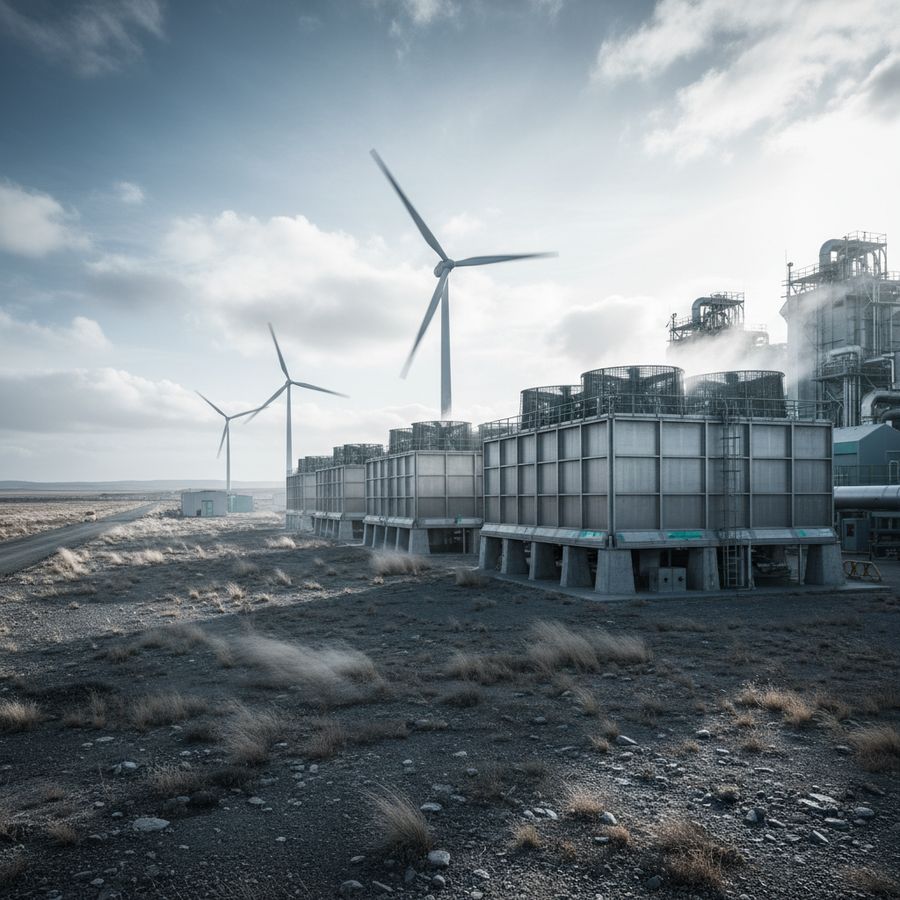
One of the most important features for wind-exposed installations is vertical air discharge. In conventional layouts, crosswinds can interfere with airflow patterns, reduce heat rejection efficiency, and increase the chance of recirculation. When warm, moist exhaust air is pushed back into the intake, the tower has to work harder to achieve the required cooling result. In demanding process cooling environments, that inconsistency can affect production quality and system efficiency.
With vertical air discharge, airflow is directed upward rather than sideways, helping tower operation remain largely independent of wind direction and intensity. This design is especially useful in open industrial yards, rooftop placements, and exposed plant perimeters where wind patterns can change rapidly throughout the day. A tower that resists wind-related performance fluctuations helps maintain more predictable outlet water temperatures.
For industrial users, the benefits are both operational and economic:
- More stable cooling performance in exposed outdoor areas
- Lower risk of airflow disruption caused by side winds
- Improved suitability for year-round industrial refrigeration duty
- Better process consistency under variable weather conditions
In short, evaporative cooling towers with vertical discharge are a smart choice for sites where environmental conditions are difficult to control but thermal performance still must remain dependable.
Positioning Cooling Towers Across Restricted Industrial Sites
Industrial plants rarely offer ideal installation conditions. Pipe runs, nearby buildings, vehicle circulation areas, and safety clearances all compete for space. That is why flexibility in positioning is essential when selecting cooling towers. A design that adapts to constrained layouts can simplify installation and reduce the compromises often associated with retrofits or plant expansions.
In many facilities, towers may need to be placed close to walls, within service yards, or even inside industrial premises. For indoor or semi-enclosed locations, versions equipped with high-head centrifugal fans can support air ducting for supply or recovery. This capability gives engineers more freedom to integrate evaporative cooling towers into complex plant layouts without sacrificing airflow management.
Installation flexibility is not just a convenience; it is often the factor that determines whether a cooling solution performs well in a real industrial site.
Strategic tower positioning can also improve accessibility for maintenance, reduce interference with surrounding equipment, and support safer service operations. When evaluating a tower for a restricted site, plant managers should consider:
- Available footprint and height restrictions
- Air intake and discharge clearances
- Ducting needs for indoor installation
- Access for inspection, cleaning, and repairs
Choosing a unit designed for placement flexibility helps preserve cooling efficiency while making the most of limited industrial space.
Hot-dip Galvanized Steel for Outdoor Durability
Outdoor cooling equipment operates in a harsh environment where water, humidity, temperature swings, and airborne contaminants are constant threats. For this reason, material selection has a major impact on service life. Evaporative cooling towers built in high-thickness hot-dip galvanized steel, with additional protective paint treatment, provide strong resistance against atmospheric agents and long-term corrosion.
In industrial settings, durability is not only about appearance. Corrosion can weaken structural panels, compromise fasteners, and increase maintenance frequency. Over time, these issues may reduce efficiency or lead to unplanned stoppages. A robust galvanized structure helps preserve mechanical integrity, especially in demanding sectors such as food production, electroplating, and plastics processing where cooling systems often run continuously.
Outdoor-readiness should also extend to components. Watertight electric motors and specially executed fan supports are valuable features because they are specifically suited for external installation. This helps protect key operating parts from weather exposure while supporting safer and more reliable performance.
When comparing tower options, buyers should prioritize construction choices that reduce lifecycle risk, not just initial cost. Process cooling systems are long-term assets, and durable materials can translate into fewer repairs, improved uptime, and stronger return on investment. In exposed environments, galvanized steel is a practical foundation for dependable industrial refrigeration equipment.
Capacity Control Dampers for Variable Process Loads
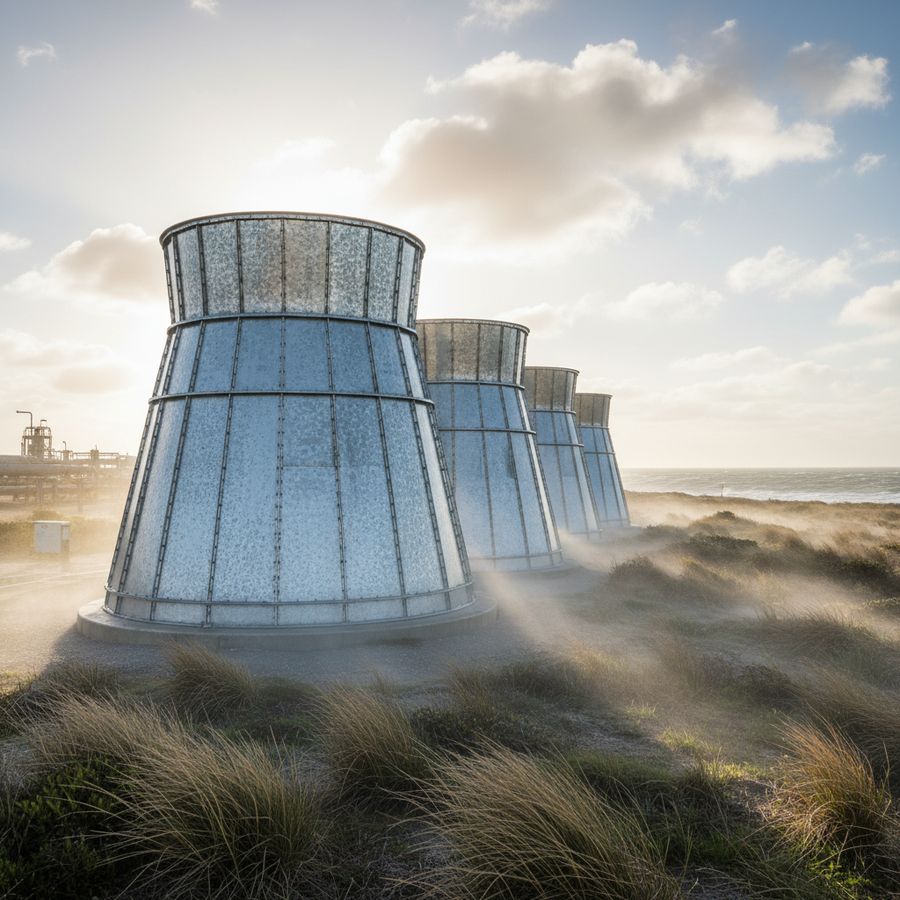
Industrial heat loads are rarely constant. Production schedules, seasonal conditions, and changes in machine utilization can all shift cooling demand throughout the day. In these situations, capacity control dampers can help cooling towers match performance more closely to actual requirements. This is particularly useful in tower versions with centrifugal fans, where dampers can be installed at the mouth of each fan and operated through a common drive shaft for each fan section.
By adjusting airflow, dampers support better control when full cooling output is not necessary. That can improve operating efficiency, reduce unnecessary fan energy use, and contribute to more stable process temperatures. In industrial refrigeration systems serving sensitive production lines, more responsive capacity management can protect both product quality and equipment performance.
Capacity control is especially valuable in facilities with:
- Fluctuating production volumes
- Different process loads across shifts
- Seasonal ambient temperature variations
- Requirements for tighter thermal control
Additional integrated options such as circulation pumps, electric control panels, and winter defrosting heaters can further improve system adaptability. Together, these features make evaporative cooling towers more responsive to real operating conditions instead of forcing plants to run at a fixed output all year round.
Maintenance Priorities for Long Cooling Tower Service Life
Even the best-designed cooling towers depend on regular maintenance to deliver long service life. Because these systems combine water circulation, mechanical movement, and outdoor exposure, preventive care is essential for preserving both efficiency and reliability. A structured maintenance program helps reduce fouling, control wear, and identify developing issues before they affect process cooling performance.
Key priorities usually include inspection of the fan assembly, verification of motor protection, cleaning of water distribution areas, and checks for corrosion or coating damage on structural parts. Operators should also review the condition of dampers, pumps, and seasonal accessories such as winter defrosting heaters when these are installed. In wind-exposed environments, routine inspection becomes even more important because weather stress can accelerate component fatigue over time.
Consistent maintenance is the simplest way to protect cooling efficiency, extend equipment life, and avoid avoidable shutdowns.
A practical service routine often includes:
- Cleaning heat exchange and water contact surfaces
- Inspecting motors, supports, and fan operation
- Checking galvanized surfaces and protective coatings
- Verifying airflow control components and water circulation equipment
For plants that rely heavily on continuous industrial refrigeration, maintenance should be treated as a performance strategy rather than a reactive task. Well-maintained evaporative cooling towers support steadier output, lower repair costs, and greater confidence in long-term plant operation.
Conclusion
Selecting the right tower for a wind-exposed plant means looking beyond nominal cooling capacity. The most effective evaporative cooling towers are designed to perform reliably under real industrial conditions, where wind, limited installation space, outdoor exposure, and changing process demands all influence system behavior. Features such as vertical air discharge, flexible positioning options, corrosion-resistant galvanized steel, and airflow control dampers can make a substantial difference in day-to-day operation.
For companies focused on dependable process cooling and efficient industrial refrigeration, these design details help reduce performance instability and improve lifecycle value. They support consistent water temperature control, easier integration into restricted sites, and better resilience against weather and wear. Equally important, they create a stronger foundation for maintenance planning and long-term service reliability.
In practical terms, the right tower is one that aligns with the plant’s actual operating environment rather than an idealized specification sheet. When equipment is chosen with exposure, layout, durability, and load variability in mind, cooling towers become a more effective and dependable part of the overall production infrastructure. That approach leads to stronger uptime, better thermal performance, and smarter long-term investment decisions.
