


Overview
Preventive maintenance for industrial cooling systems is a crucial practice that ensures optimal performance, extends equipment lifespan, and reduces unexpected downtime. Industrial cooling systems, especially chillers, play a vital role in maintaining temperature control across various manufacturing and processing environments. Without regular upkeep, these systems are vulnerable to inefficiencies and costly breakdowns.
Implementing a comprehensive preventive maintenance strategy involves scheduled inspections, cleaning, and timely repairs that keep all components functioning smoothly. This approach not only improves energy efficiency but also helps in compliance with environmental regulations, minimizing refrigerant leaks and emissions. Companies like Frimec, with over 55 years of expertise in industrial refrigeration and thermoregulation, emphasize the importance of tailored maintenance plans that suit specific operational needs.
“Regular preventive maintenance is the cornerstone of reliable and efficient industrial cooling systems, preventing costly failures and preserving system integrity.”
By investing in routine maintenance, businesses can avoid production interruptions, reduce repair costs, and ensure their cooling systems operate with maximum reliability.
Preventive Maintenance Schedule for Chillers
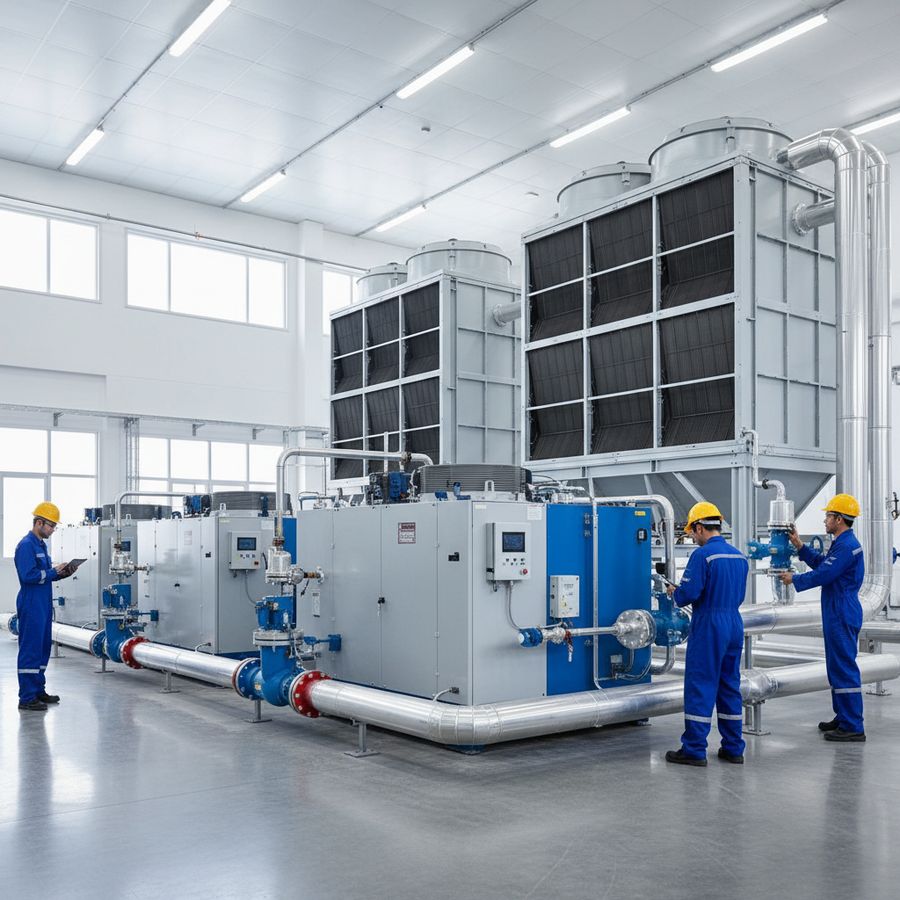
A well-planned chiller maintenance schedule is essential to keeping industrial cooling systems running smoothly and efficiently. Typically, maintenance tasks are categorized into daily, monthly, quarterly, and annual activities, each with specific objectives to safeguard system performance.
Daily checks include monitoring operating pressures, temperatures, and system alarms to detect anomalies early. Monthly inspections involve verifying electrical connections and lubricating moving parts. Quarterly activities often focus on more detailed checks such as testing safety controls and cleaning strainers. Annual maintenance is comprehensive, covering refrigerant levels, compressor health, and overall system diagnostics.
- Daily: Monitor system parameters and alarms
- Monthly: Inspect electrical components and lubrication
- Quarterly: Test safety devices and clean strainers
- Annual: Full system evaluation including refrigerant recharge
Adhering to this schedule not only optimizes chiller efficiency but also extends equipment life and prevents unexpected downtime, essential for industrial operations relying on consistent cooling performance.
Checking Refrigerant Circuits and Leak Detection
Effective refrigerant leak detection and inspection of refrigerant circuits are critical components of preventive maintenance in industrial cooling systems. Refrigerant leaks can significantly reduce cooling efficiency, increase energy consumption, and harm the environment due to the release of harmful substances.
Routine leak detection involves visual inspections, electronic leak detectors, and pressure testing of refrigerant circuits to identify and repair leaks promptly. Maintaining the correct refrigerant charge ensures the system operates at peak efficiency and prevents compressor damage caused by low refrigerant levels.
“Timely detection and repair of refrigerant leaks are essential for maintaining system efficiency and environmental compliance.”
Regularly scheduled refrigerant circuit checks not only protect equipment but also comply with environmental regulations, helping industrial facilities minimize their carbon footprint while ensuring the reliability of their cooling systems.
Cleaning Condensers and Maintaining Airflow
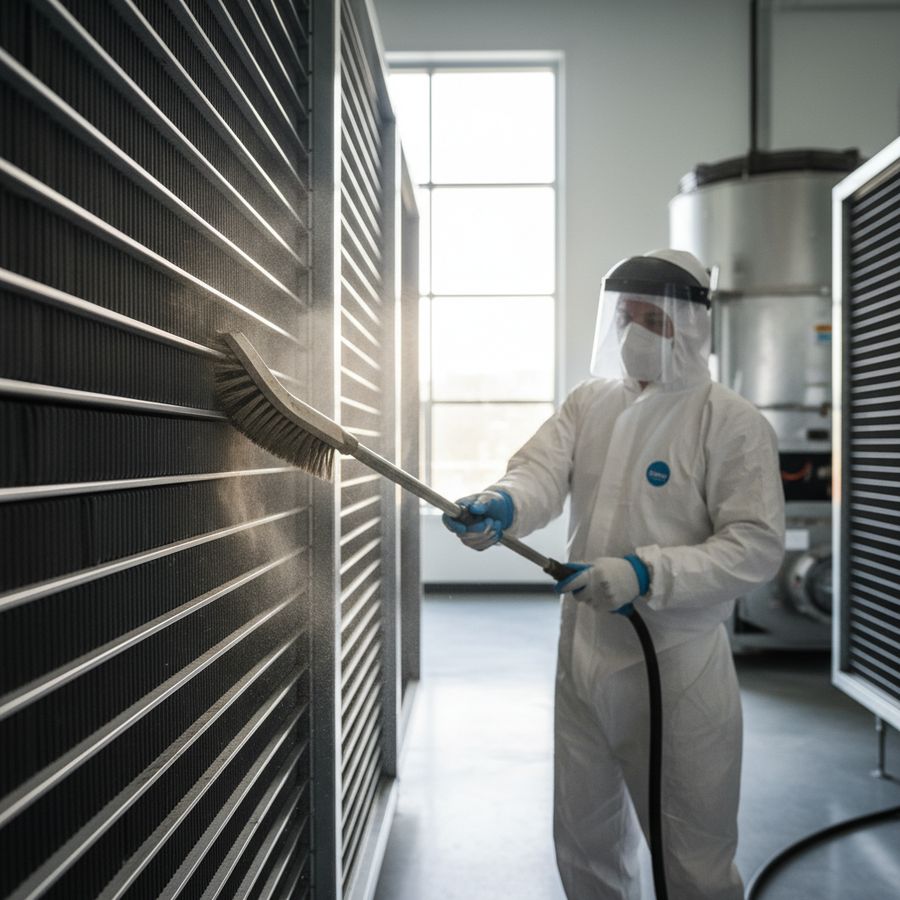
Condenser cleaning and maintaining proper airflow are fundamental to the efficiency of industrial cooling systems. Condensers are responsible for dissipating heat from refrigerants, and any buildup of dirt, debris, or scale can severely impair heat exchange, leading to increased energy use and system strain.
Preventive maintenance includes periodic cleaning of condenser coils and fins using appropriate methods such as brushing, chemical cleaning, or high-pressure washing. Additionally, ensuring unobstructed airflow around the condenser unit is essential to avoid overheating and maintain optimal cooling capacity.
- Inspect condenser coils regularly for dirt and corrosion
- Clean coils and fins to enhance heat dissipation
- Keep surrounding areas free of debris to maintain airflow
By prioritizing condenser cleaning and airflow maintenance, industrial operations can reduce energy costs, prevent equipment failures, and improve overall system reliability.
Pump, Filter, And Water Loop Inspections
Regular inspection of pumps, filters, and water loops is an indispensable part of preventive maintenance for industrial cooling systems. These components ensure proper circulation of cooling water, which is vital for heat transfer and system efficiency.
Pumps should be checked for leaks, unusual noises, and proper alignment to prevent failure. Filters require routine cleaning or replacement to avoid clogging that can restrict water flow and increase strain on the system. Additionally, water loops must be inspected for corrosion, scaling, and biological growth that can impair performance.
“Maintaining clean and well-functioning water loops and pumps is key to avoiding costly breakdowns and sustaining cooling efficiency.”
Implementing these inspections helps maintain consistent water flow, reduces energy consumption, and extends the operational life of industrial cooling systems.
Spare Parts Planning to Reduce Downtime
An effective spare parts management strategy plays a crucial role in minimizing downtime during maintenance or unexpected repairs of industrial cooling systems. Stocking essential components such as filters, seals, pumps, and control elements ensures quick replacement and reduces operational interruptions.
Preventive maintenance programs should incorporate spare parts planning to anticipate common wear and tear, enabling rapid response to equipment failures. This proactive approach supports continuous production and avoids costly delays.
- Identify critical spare parts based on system components
- Maintain an organized inventory for fast accessibility
- Coordinate with suppliers for timely restocking
By integrating spare parts planning into maintenance schedules, industrial facilities can enhance system reliability, optimize resource allocation, and secure uninterrupted cooling operations.
Conclusion
In summary, preventive maintenance for industrial cooling systems is vital for ensuring efficient, reliable, and environmentally responsible operations. From establishing a disciplined maintenance schedule for chillers to performing detailed refrigerant leak detection and condenser cleaning, each step contributes to prolonging equipment life and reducing operational costs.
Regular inspections of pumps, filters, and water loops, combined with strategic spare parts planning, fortify the system against unexpected failures and optimize production continuity. Companies like Frimec, renowned for their expertise in industrial refrigeration and thermoregulation, underscore the importance of tailored, environmentally friendly maintenance solutions.
“A robust preventive maintenance program is an investment in the longevity and efficiency of industrial cooling systems, safeguarding production and supporting sustainable practices.”
Adopting these best practices will empower industrial facilities to maintain peak cooling performance, reduce energy consumption, and achieve long-term operational excellence.
