


News & Articles
-
14
Oct
2026
In
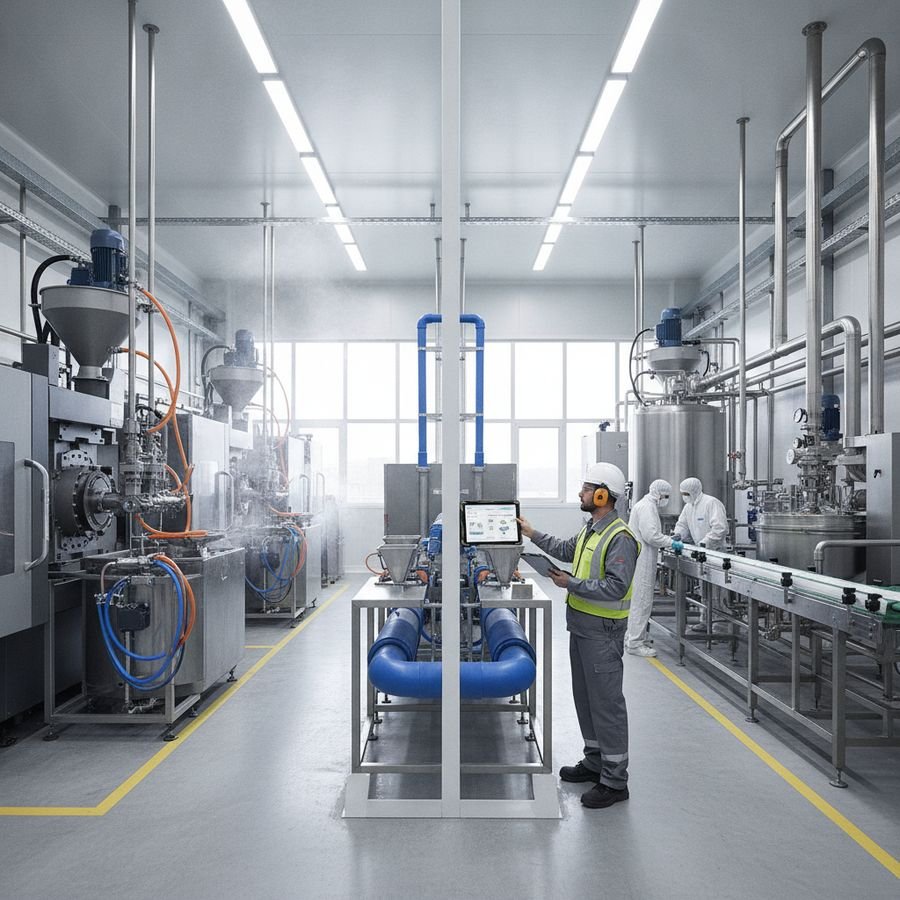
Process Temperature Demands Differ by Production Line Choosing cooling systems starts with a simple truth: plastics and food processing lines do not remove heat in the same way. An injection molding press may need tightly controlled water temperature to keep cycle times repeatable, while a
-
06
Oct
2026
In
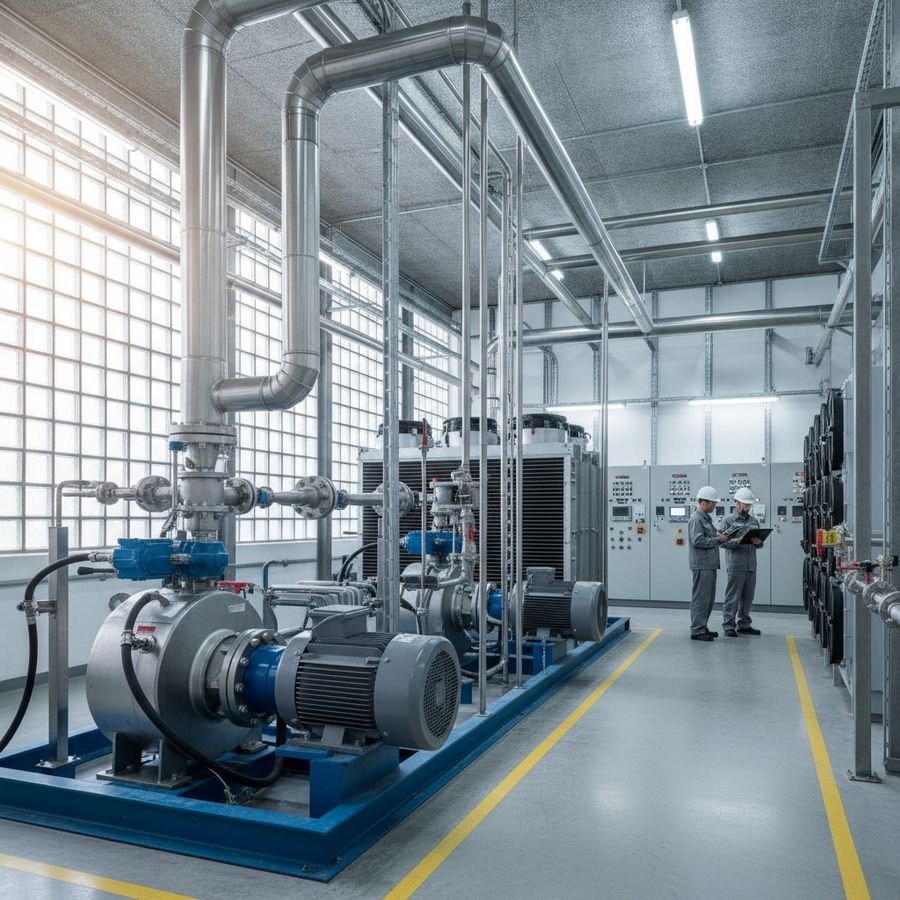
Automated Controls Improve Load Matching Accuracy In industrial refrigeration, efficiency often depends on how closely cooling output matches the real process load. Manual adjustments and fixed operating points can leave systems overcooling during low demand and struggling during sudden peaks. Industrial refrigeration automation helps close
-
29
Sep
2026
In
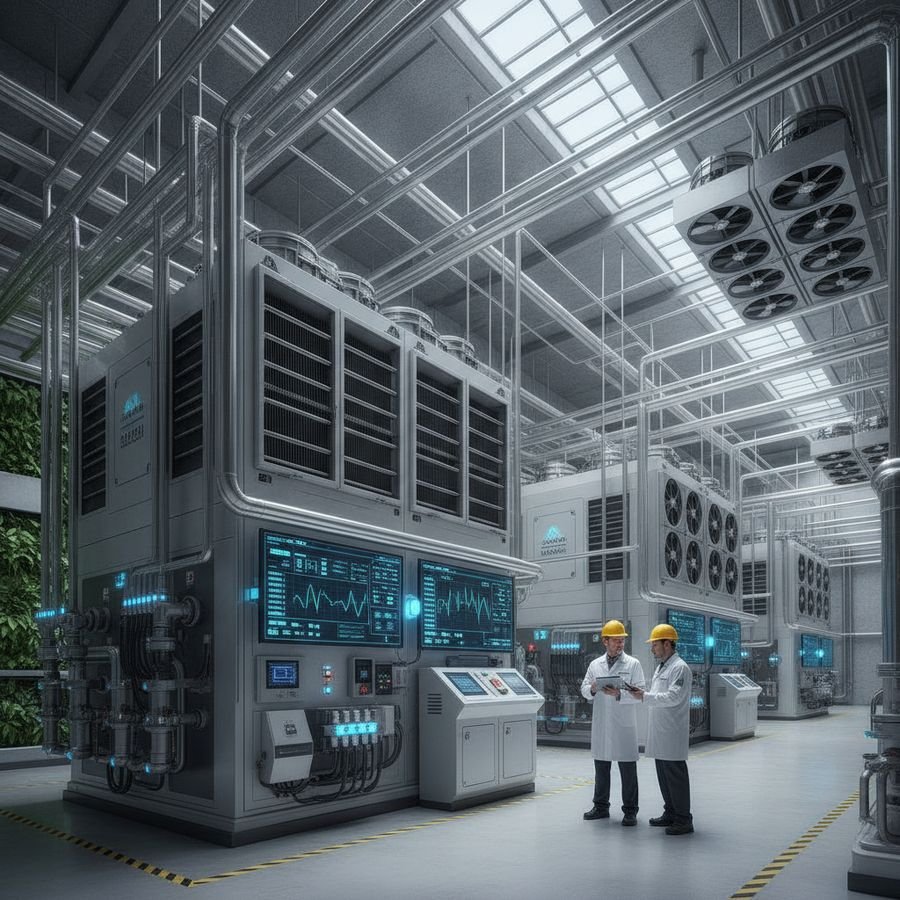
Where Efficiency, Controls, and Regulation Are Converging Industrial refrigeration trends for 2027 are being shaped by a three-way convergence: higher efficiency expectations, smarter digital controls, and tighter environmental regulation. For manufacturers, cold storage operators, and process plants, this means equipment decisions are no longer based
-
18
Sep
2026
In
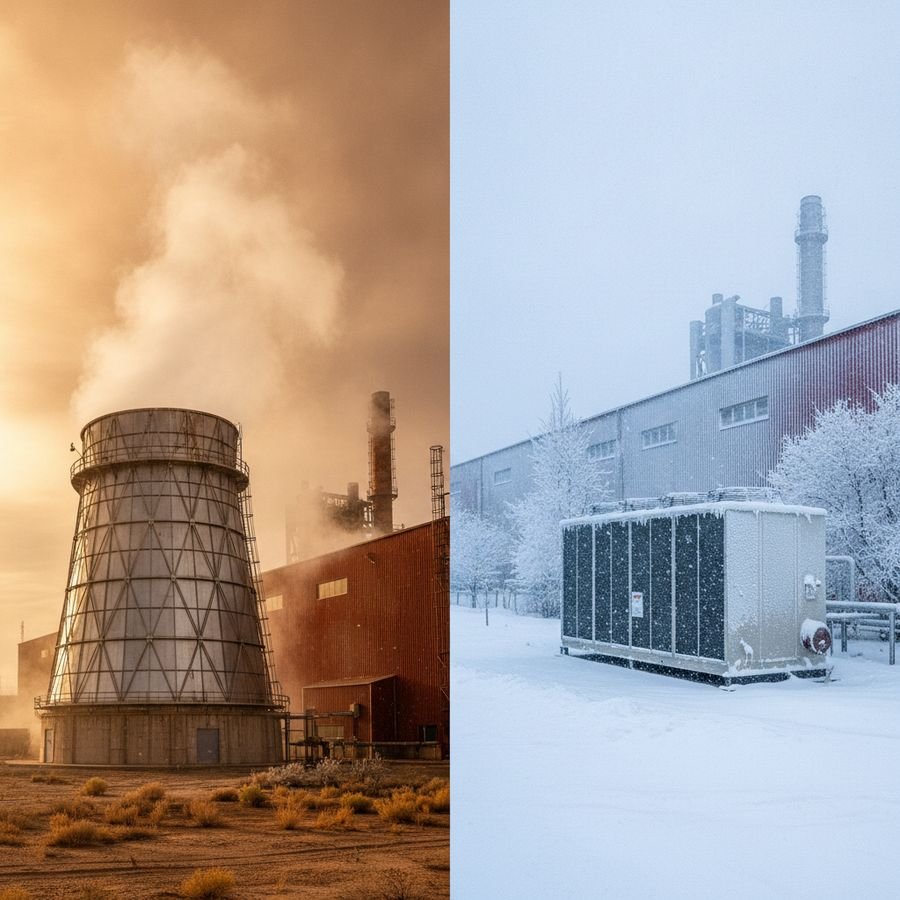
Where Air-cooled Systems Simplify Plant Design For many factories, air cooled chillers are the fastest route to a dependable cooling package because they remove heat directly to ambient air without the extra loop of a condenser-water system. That means no cooling tower basin, no tower
-
14
Sep
2026
In
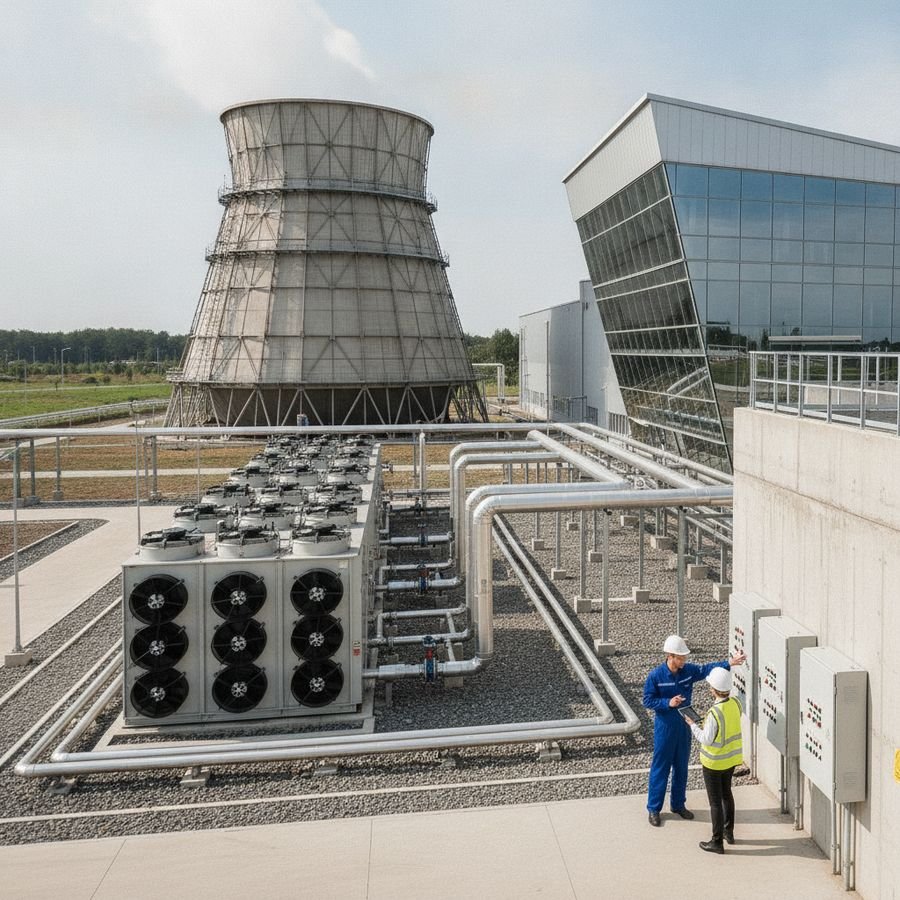
Service Quality Matters Long After System Commissioning Commissioning is only the beginning of performance. In industrial refrigeration and thermoregulation, a system may start well yet lose efficiency over time if after-sales support is weak, delayed, or inconsistent. For plants that depend on stable temperatures, process
-
02
Sep
2026
In
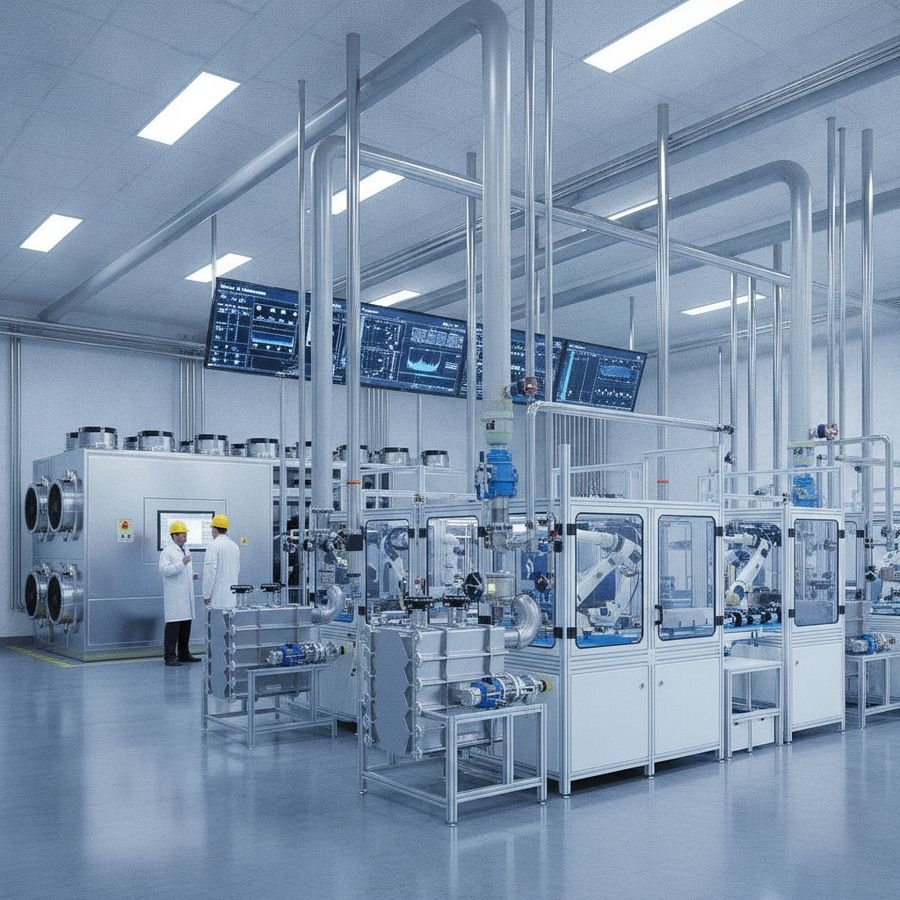
Process Tolerance Bands Define Thermoregulation Architecture Choices Every thermoregulation system starts with one practical question: how tightly must the process temperature be held to protect quality, cycle time, and throughput? Tolerance bands determine whether a production line can operate efficiently with a simpler cooling loop
-
31
Aug
2026
In
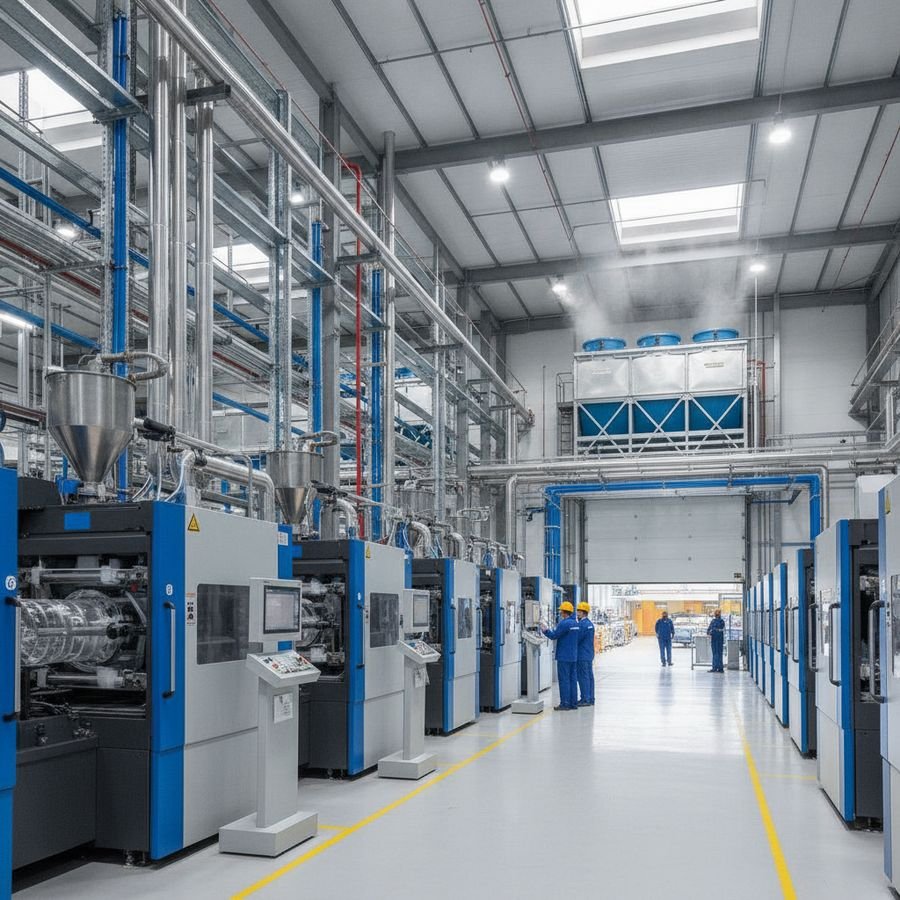
Why Plastics Plants Need Stable Process Cooling In the plastics industry cooling chain, temperature stability is not a convenience; it is a production requirement. Injection molding, extrusion, blow molding, and thermoforming all depend on repeatable heat removal from molds, hydraulic circuits, and process fluids. When
-
31
Aug
2026
In
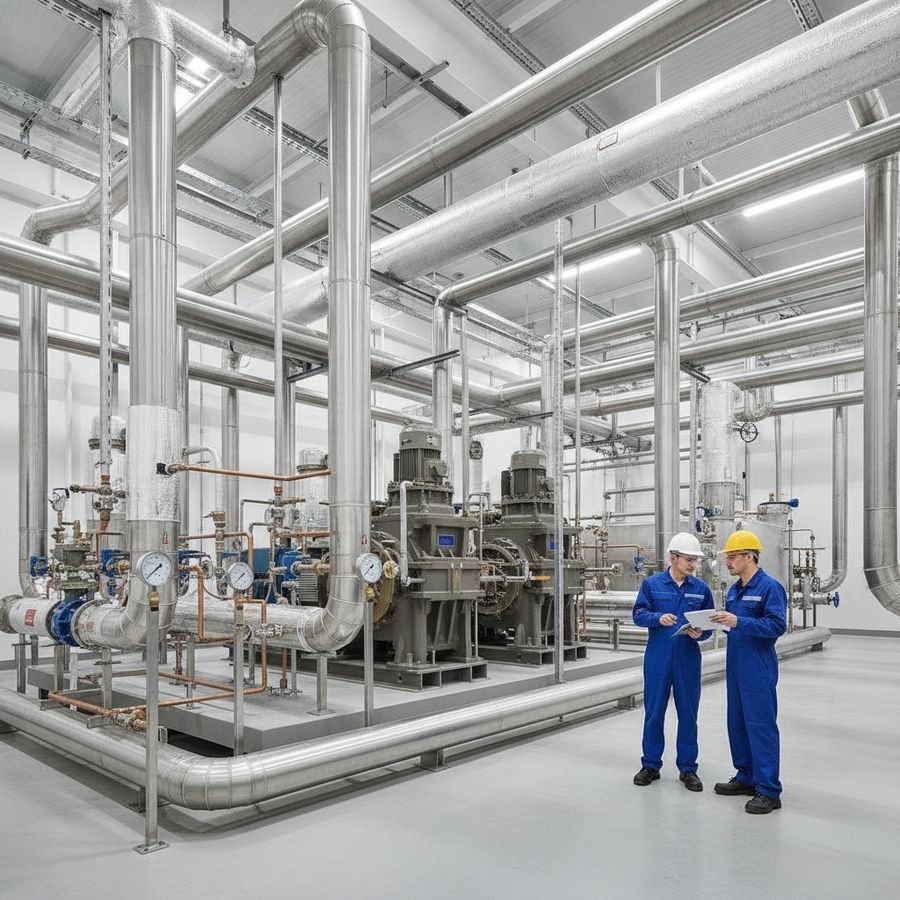
Natural Refrigerants Reduce Environmental Impact Significantly For operators of industrial cooling plants, the move toward natural refrigerants is no longer only a sustainability discussion. It is also a practical response to stricter environmental expectations, rising energy costs, and long-term asset planning. Natural options such as
-
17
Aug
2026
In
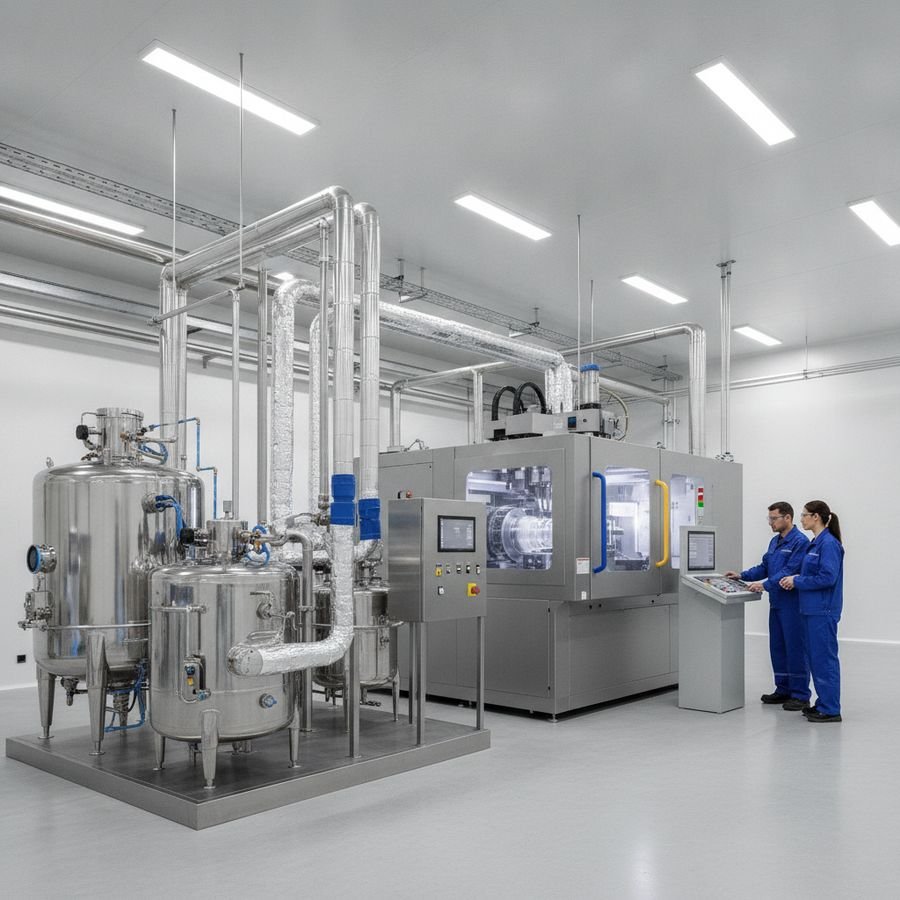
Why Plastics Processing Needs Stable Temperatures In plastics manufacturing, temperature is not just a setting on a controller. It is a core process variable that affects cycle time, part quality, dimensional stability, and scrap rate. Whether the application is injection molding, blow molding, thermoforming, or
-
13
Aug
2026
In
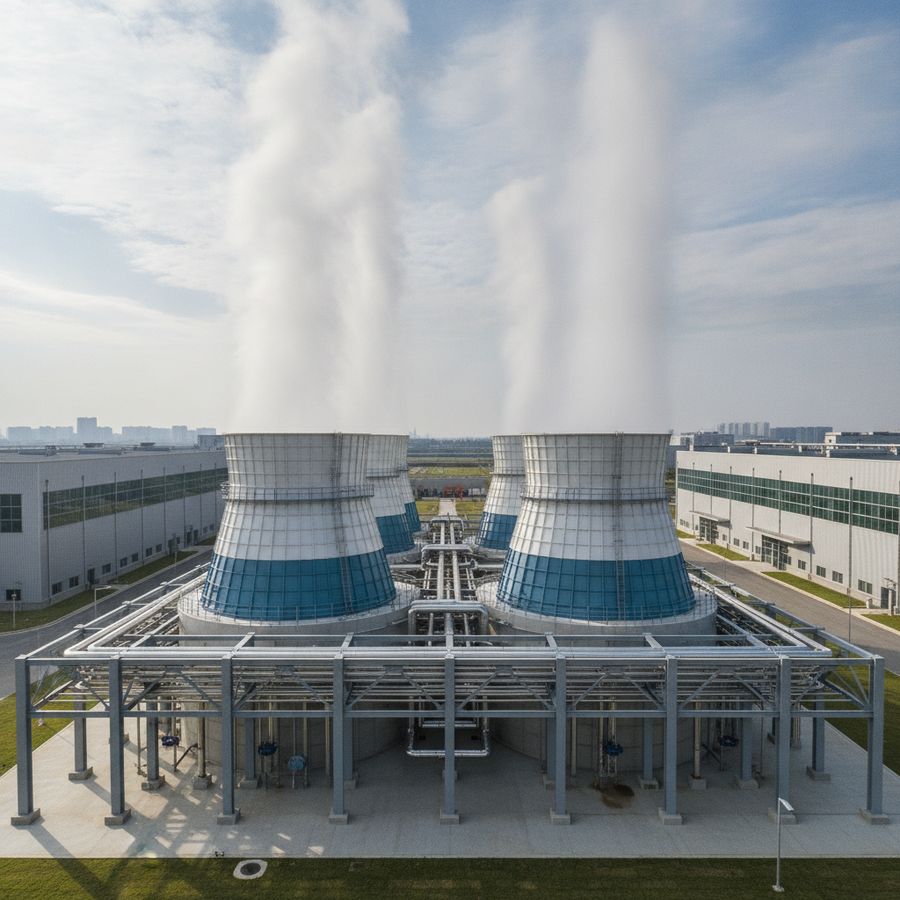
Vertical Air Discharge and Wind Independence Explained One of the most important principles in cooling tower placement is how air leaves the unit. In many industrial applications, evaporative cooling towers perform best when they use vertical air discharge, because the discharge pattern helps move warm,