


News & Articles
-
31
Aug
2026
In
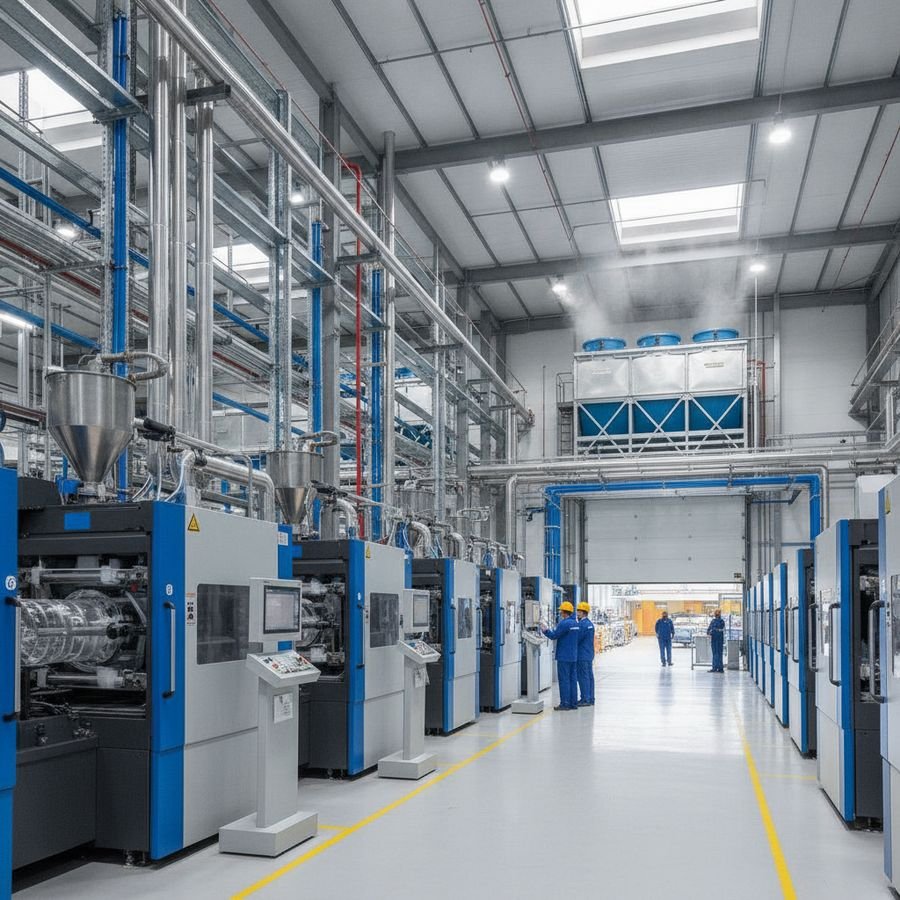
Why Plastics Plants Need Stable Process Cooling In the plastics industry cooling chain, temperature stability is not a convenience; it is a production requirement. Injection molding, extrusion, blow molding, and thermoforming all depend on repeatable heat removal from molds, hydraulic circuits, and process fluids. When
-
31
Aug
2026
In
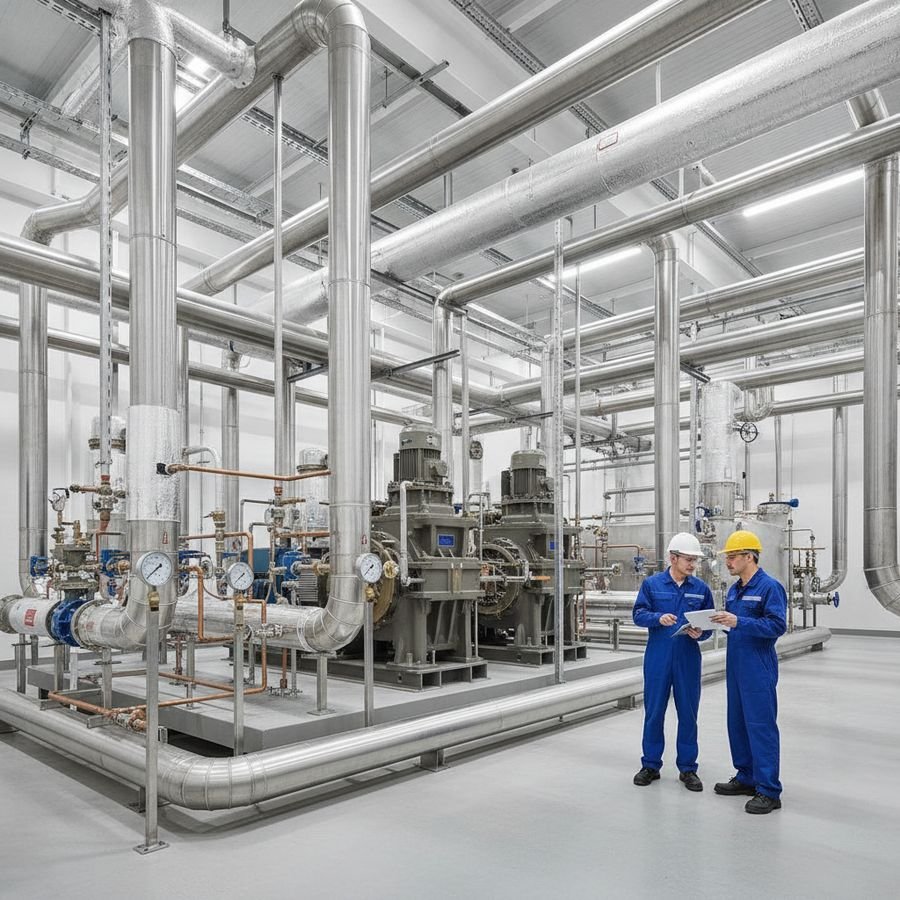
Natural Refrigerants Reduce Environmental Impact Significantly For operators of industrial cooling plants, the move toward natural refrigerants is no longer only a sustainability discussion. It is also a practical response to stricter environmental expectations, rising energy costs, and long-term asset planning. Natural options such as
-
17
Aug
2026
In
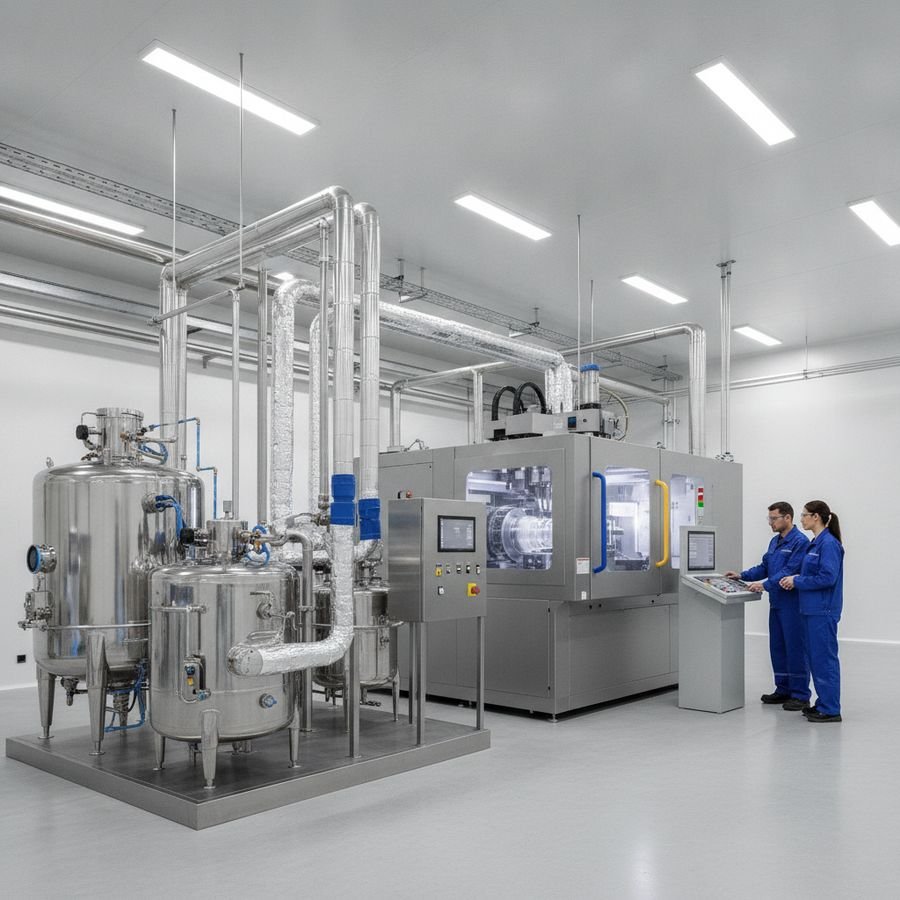
Why Plastics Processing Needs Stable Temperatures In plastics manufacturing, temperature is not just a setting on a controller. It is a core process variable that affects cycle time, part quality, dimensional stability, and scrap rate. Whether the application is injection molding, blow molding, thermoforming, or
-
13
Aug
2026
In
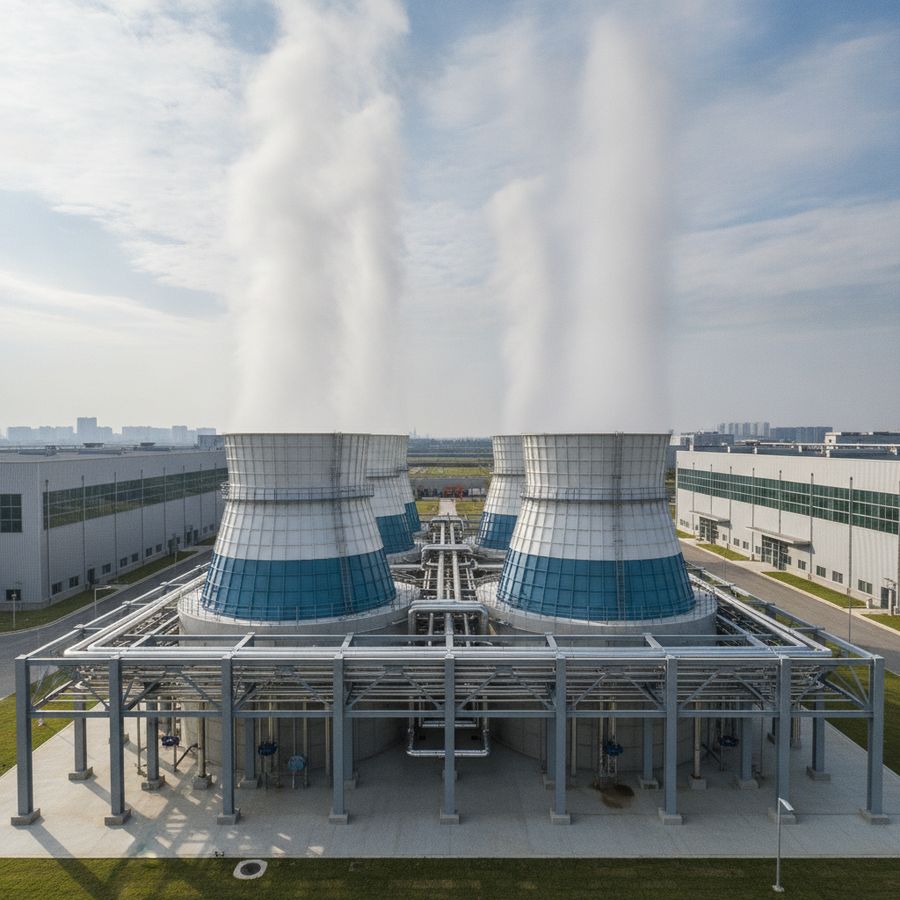
Vertical Air Discharge and Wind Independence Explained One of the most important principles in cooling tower placement is how air leaves the unit. In many industrial applications, evaporative cooling towers perform best when they use vertical air discharge, because the discharge pattern helps move warm,
-
03
Aug
2026
In
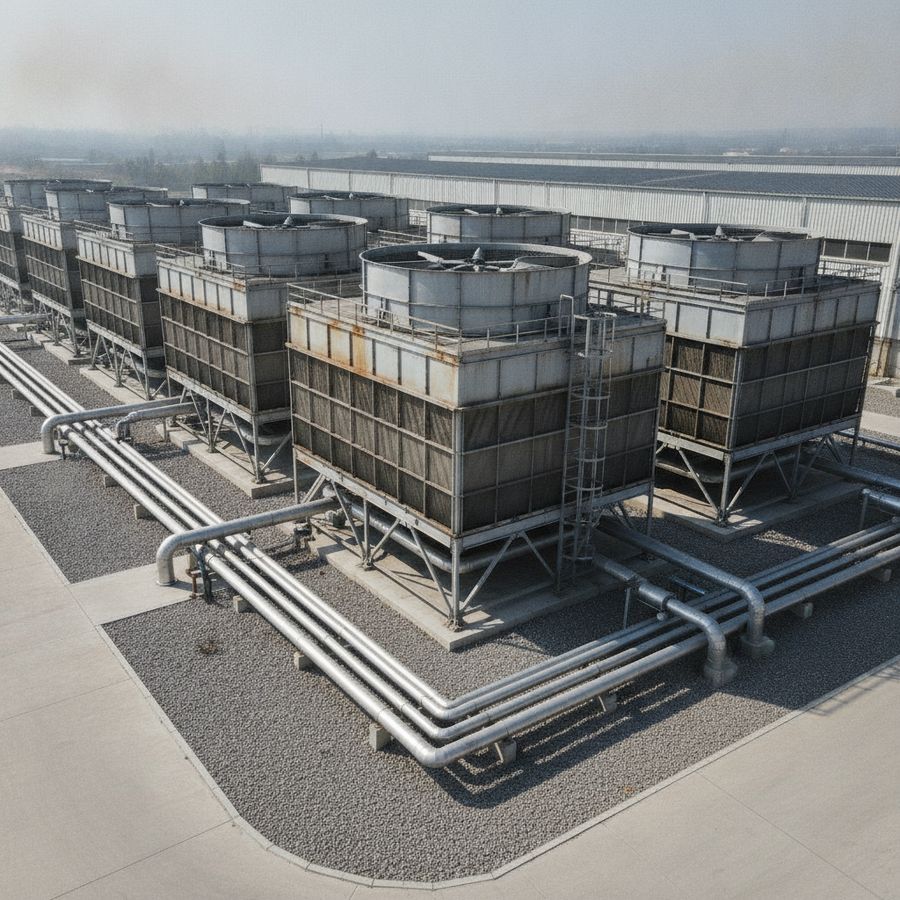
Hot-dip Galvanized Construction Extends Service Life For industrial cooling towers installed in exposed yards, process plants, and heavy-duty manufacturing sites, material selection has a direct impact on uptime. Harsh outdoor conditions can include rain, humidity, airborne contaminants, UV exposure, and temperature swings that steadily attack
-
30
Jul
2026
In
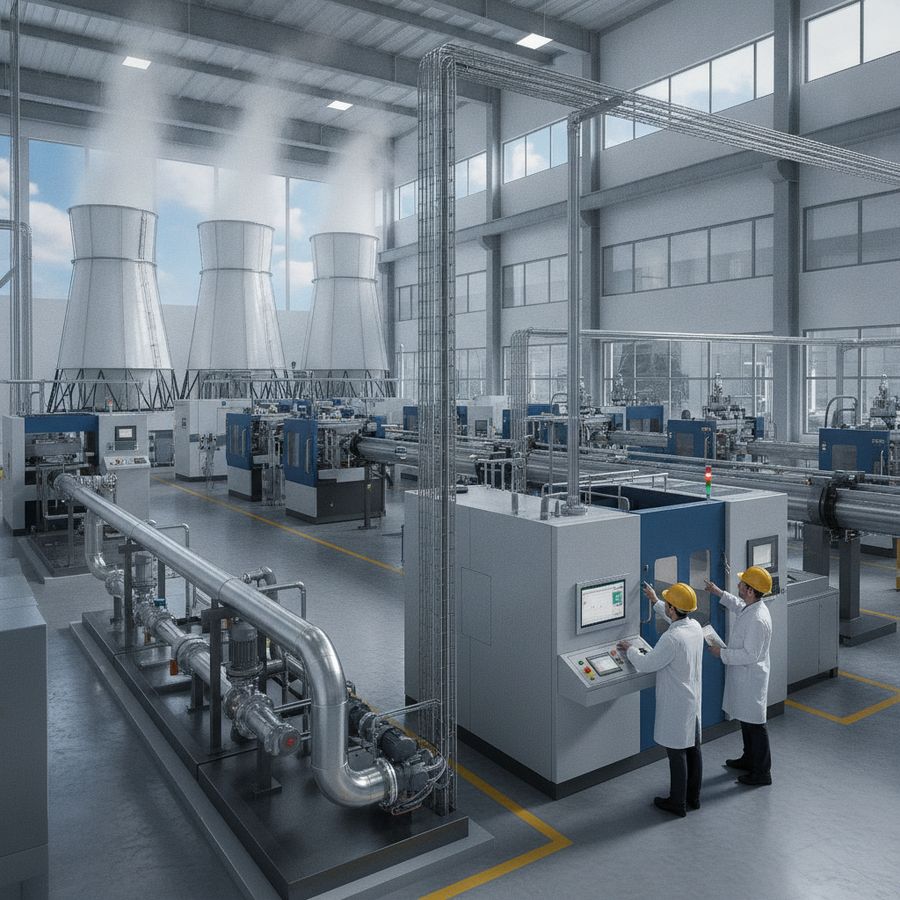
Why Plastics Lines Need Stable Cooling In plastics processing, stable cooling is not a secondary utility; it directly affects cycle time, dimensional accuracy, surface finish, and scrap rates. Injection molding, extrusion, blow molding, and thermoforming all depend on predictable heat removal from molds, barrels, hydraulic
-
29
Jul
2026
In
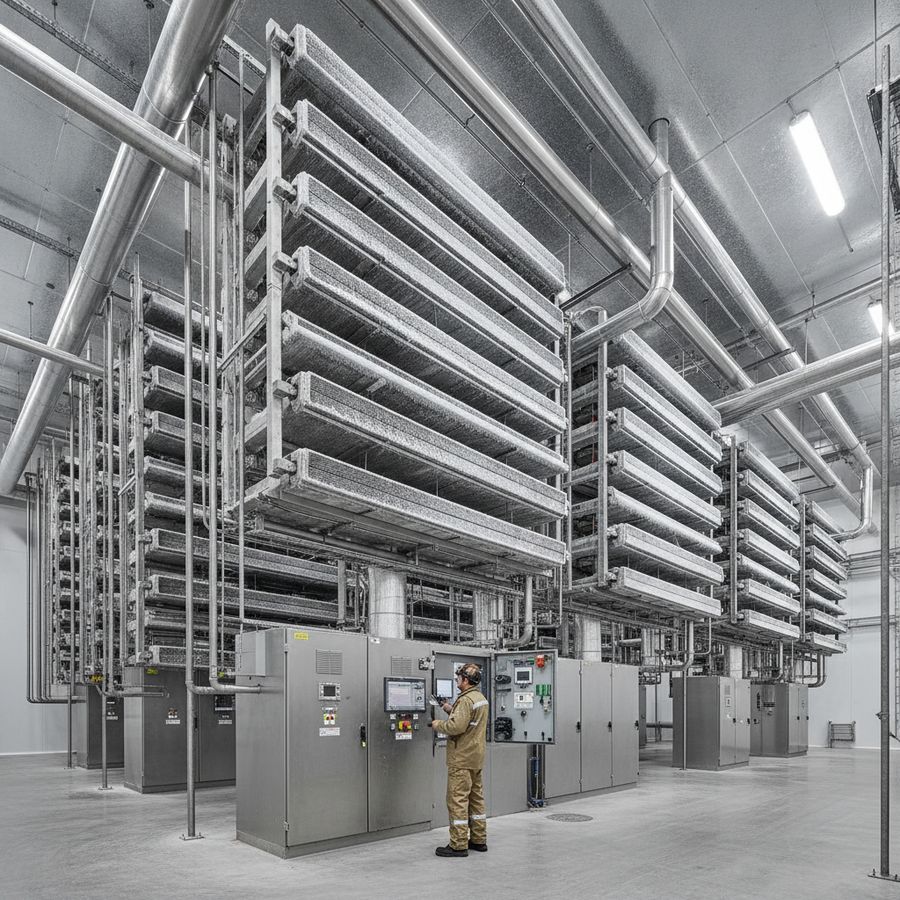
Defrost Strategies That Reduce Downtime and Energy Waste In industrial refrigeration, defrost is not just a maintenance function. It is a control strategy that directly affects energy efficiency, coil performance, and production continuity. When frost builds on evaporator surfaces, airflow drops, heat transfer weakens, and
-
17
Jul
2026

In
Overview Cooling towers in wind-exposed installations require a design approach that goes beyond simple heat rejection. In open industrial yards, coastal areas, elevated platforms, and production sites with few surrounding windbreaks, airflow conditions can change rapidly. That makes the selection of outdoor cooling equipment especially
-
14
Jul
2026

In
Overview In food manufacturing, the choice between air chillers and cooling towers affects far more than equipment layout. It influences hygiene strategy, utility consumption, temperature control, maintenance routines, and the long-term cost of food processing cooling. Both technologies remove heat from production, but they do
-
06
Jul
2026
In
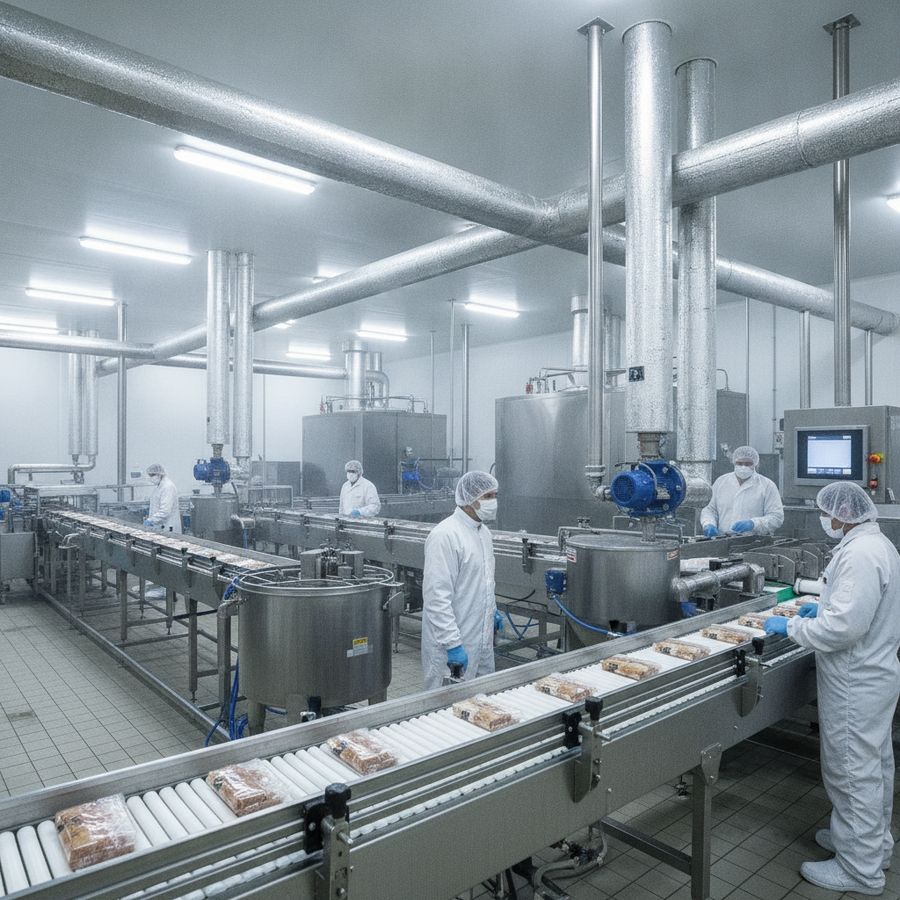
Overview Food industry refrigeration is a critical part of modern production, helping manufacturers protect flavor, texture, shelf life, and food safety from raw material intake to packaging and storage. In busy processing environments, even small temperature variations can affect product consistency, increase waste, and create

